
Halloween is one of the most fun nights of the year — for people. For dogs, it can be one of the most stressful and dangerous. Every year, vets see a spike in emergency visits on and around October 31: chocolate poisoning, xylitol poisoning, swallowed costume parts, and dogs that bolted out the front door into the dark.
The good news is that almost all of these accidents are preventable. With a little planning, your dog can have a calm, safe Halloween while you enjoy the evening. This guide covers everything you need to know: the foods to keep far away from your dog, how to handle costume stress and doorbell anxiety, the decorations that can hurt pets, and exactly when to see a vet.
Keep Candy and Chocolate Locked Away
This is the biggest Halloween danger for dogs, and it deserves first place. Halloween candy bowls are everywhere — on the coffee table, by the door, in kids’ trick-or-treat bags — and dogs are expert candy thieves.
Chocolate is the most well-known risk. It contains theobromine and caffeine, two ingredients that dogs cannot process the way people can. Dark and baking chocolate are the most dangerous, but any chocolate can cause problems. If your dog gets into the candy bowl, watch for signs like vomiting, diarrhea, restlessness, a racing heartbeat, or excessive panting, and contact your vet right away. To learn more, read our guide on signs your dog is sick from chocolate.
Xylitol (also called birch sugar) is even more dangerous and hides in sugar-free gum, sugar-free candy, some mints, and even certain peanut butter brands. For dogs, xylitol can cause a dangerous drop in blood sugar within minutes, and in some cases it can damage the liver. Always check ingredient labels on anything you bring into the house this season.
Candy wrappers are easy to forget. Foil and plastic wrappers can irritate your dog’s throat and stomach, and in some cases they can cause a blockage. Keep trick-or-treat bags on high shelves, not on the floor by the front door.
Raisins and grapes sometimes show up in “healthy” trick-or-treat alternatives. They are toxic to dogs too, so keep them out of reach as well.
If your dog does eat Halloween candy, do not wait for symptoms to appear. Read our full guide on what to do if your dog eats Halloween candy or chocolate so you know exactly how to respond calmly and quickly.
Costumes: Comfort Comes First
Dog costumes are adorable. There is no denying it. But not every dog enjoys wearing one, and a stressed dog in a costume is not a safe dog.
Try the costume on early. Put it on a week or two before Halloween, in short sessions of just a few minutes. Give your dog a treat each time, so the costume becomes a positive thing — not a surprise on the big night.
Watch your dog’s body language. If your dog freezes, tries to back out of the costume, pants heavily, yawns a lot, or keeps scratching at it, those are signs of stress. Not every dog has to wear a costume, and that is completely fine. A festive bandana is a great no-stress alternative.
Check the fit. A costume should not pinch, rub, drag on the floor, or block your dog’s eyes, ears, nose, or mouth. Your dog needs to be able to walk, sit, lie down, bark, and breathe normally.
No small parts. Skip costumes with buttons, bows, bells, or dangling pieces. Dogs love to chew, and small decorative parts can become choking hazards or cause a blockage if swallowed.
Never leave a dog unsupervised in a costume. Even a well-fitting costume can get caught on furniture or doors. Take it off when the night is over and let your dog relax.
Manage the Doorbell and Trick-or-Treaters
Trick-or-treat night means one thing to your dog: the doorbell rings a hundred times, strangers in weird outfits show up at the door, and nobody will stop screaming “trick or treat!” For a nervous or protective dog, this can be a nightmare.
Set up a safe room. Pick a quiet room at the back of the house, away from the front door. Put your dog’s bed, a few toys, a chew, and some water in there. Turn on some soft music or the TV to cover up the doorbell noise. A long-lasting chew or a frozen stuffed food toy works wonders as a distraction.
Skip the doorbell entirely if you can. Consider turning off the doorbell and leaving a bowl of candy outside with a “help yourself” note. It saves your dog hours of stress, and it still gives the neighborhood kids their candy.
Practice greetings. If you do open the door, keep your dog in another room behind a closed door. Do not let your dog greet trick-or-treaters at the door. A scared child in a mask plus a hyped-up dog is a recipe for nips, knocked-over kids, or a dog slipping out.
Keep your dog’s collar and ID tag on. Even indoors. If the worst happens and your dog gets out, a collar with an ID tag (and an updated microchip registration) is the fastest way to get them back home.
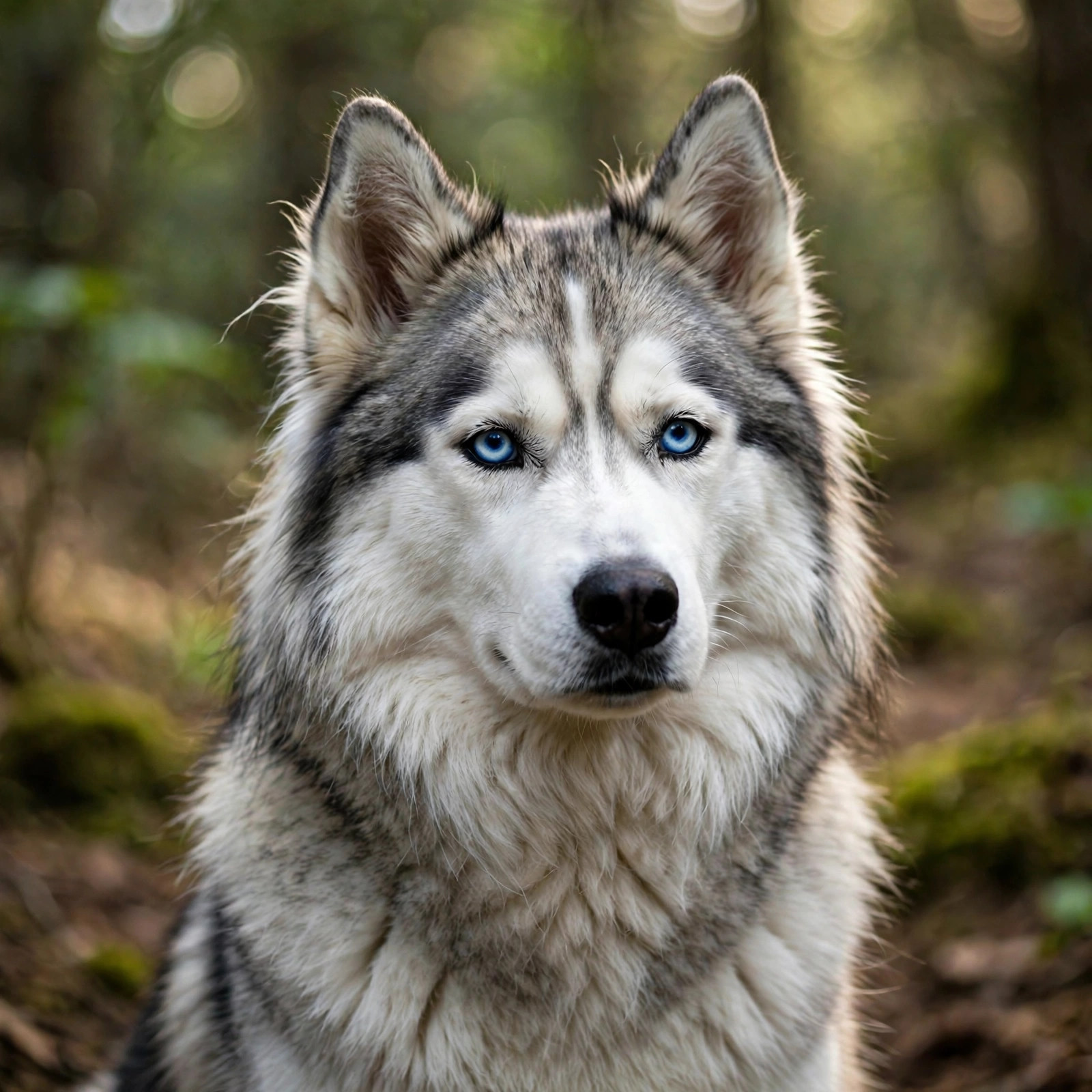
Escape Risk: Keep the Front Door a Fortress
Halloween night is one of the top nights of the year for lost dogs. The front door opens and closes dozens of times, often by kids who are too excited to check what’s behind it. An open door plus a frightened dog plus darkness equals a recipe for a runaway.
Plan your traffic flow. Put a baby gate in the hallway or keep your dog in their safe room with the door shut well before the trick-or-treaters arrive. Assume the front door will be left open at some point — and make sure your dog cannot get near it.
Leash your dog for potty breaks. Even if your yard is fenced, walk your dog on a leash during the evening. A spooked dog can jump a fence they would never touch on a normal day. A short potty break before the rush starts, then stay inside for the night.
Add reflective gear. If you do take your dog out after dark — even just for a quick walk — clip a reflective vest, an LED collar, or a glow tag on their collar. Halloween streets are full of distracted drivers and kids running everywhere. Visibility keeps everyone safer.
Update your info now. Take five minutes today: check that your dog’s collar tag has your current phone number and confirm your microchip registration is up to date. On a night with this much door traffic, it is your best insurance policy.
Watch Out for Glow Sticks, Candles, and Decorations
Glow sticks and glow jewelry. These are everywhere on Halloween, and dogs love to chew them. The liquid inside is not usually fatal, but it tastes terrible and can cause drooling, vomiting, and stomach irritation. Keep glow items away from your dog, and clean up any broken ones from the floor quickly.
Candles and jack-o’-lanterns. An open flame is a double danger: your dog can burn their nose, tail, or paws, or knock a candle over and start a fire. Use battery-powered LED candles in your pumpkins and decorations instead. They look great and they remove the risk completely.
Fake spider webs and stringy decorations. These can be a real hazard if chewed or swallowed. Tinsel-like webs can wrap around your dog’s tongue or intestines and cause a blockage. Hang them well above your dog’s reach, and vacuum up any stray pieces.
Fake blood and makeup. If kids or guests get their faces painted, keep painted hands away from your dog’s mouth. Most costume makeup is not meant to be eaten, and some products can upset your dog’s stomach.
Pumpkins themselves. A small nibble of plain pumpkin flesh is not usually a problem, but a whole carved pumpkin that has been sitting out rotting can cause stomach upset. Do not let your dog eat the candlelit jack-o’-lantern.
What NOT to Do
- Do not feed your dog any Halloween candy, no matter how much they beg. Even “safe-looking” candy can contain xylitol, chocolate, raisins, or wrappers.
- Do not assume “just a little” chocolate is fine. What looks like a tiny amount to you can be a lot for a small dog. Any chocolate ingestion is worth a call to your vet.
- Do not force your dog to wear a costume they hate. Stress is not cute, and a panicking dog can hurt themselves trying to escape a costume.
- Do not leave your dog outside alone on Halloween night. Between the noise, strangers, and pranksters, the yard is not a safe place this evening.
- Do not try to make your dog vomit on your own. This can be dangerous depending on what they ate. Always call your vet first and follow their instructions.
- Do not wait to “see how it goes” if your dog eats something suspicious. Call your vet or an animal poison hotline right away — early action makes a huge difference.
When to See a Vet
Call your vet immediately if you notice any of these signs, especially after your dog may have eaten candy, chocolate, or decorations:
- Vomiting or diarrhea that will not stop
- Drooling far more than usual
- Restlessness, pacing, or shaking
- A racing heartbeat or heavy panting
- Sudden weakness, wobbliness, or collapse
- Seizures
- Refusal to eat or drink
- Swelling, bleeding, or a visible foreign object in the mouth or throat
Even if your dog seems fine, it is always better to call. Your vet can tell you what to watch for based on what your dog ate and how big your dog is. Remember: vets would much rather get a “false alarm” phone call than treat a poisoning that started hours ago.
FAQ
Can dogs eat any Halloween candy at all?
No. It is safest to assume all Halloween candy is off-limits. Even candy that contains no chocolate can contain xylitol, raisins, or wrappers that are dangerous. Keep all candy completely out of your dog’s reach.
What is the most dangerous candy ingredient for dogs?
Chocolate and xylitol are the two biggest concerns. Dark chocolate contains the most theobromine, and xylitol (found in sugar-free gum and candy) can be extremely dangerous even in small amounts. Both need a vet’s attention quickly.
Should I dress my dog up for Halloween?
Only if your dog is comfortable with it. Try the costume on ahead of time, watch for signs of stress, and choose a simple, well-fitting outfit with no small parts. If your dog is not enjoying it, skip the costume — a bandana works just as well.
How do I stop my dog from barking at every trick-or-treater?
Move your dog to a quiet room away from the front door before the rush starts, and use background noise like music or TV to cover the doorbell. Turning the doorbell off and leaving candy outside is the simplest fix of all.
What if my dog runs away on Halloween night?
Act fast: search nearby streets immediately and ask neighbors if they have seen your dog. Post on local lost-pet groups and contact your local shelter. This is why an updated collar tag and microchip matter — they are what bring most lost dogs home. Keep your dog secured away from the front door all evening to prevent this from happening in the first place.
Halloween should be fun for everyone in the family — including your dog. A little planning goes a long way: lock up the candy, give your dog a calm place to relax, keep the front door secure, and skip the risky decorations. Do that, and the scariest thing about Halloween night will be the plastic skeleton on your porch.
Happy Halloween — and stay safe out there.
If your dog eats something they shouldn’t this Halloween, check our emergency guides on signs of chocolate poisoning in dogs and what to do if your dog eats Halloween candy. And cat owners, do not forget the kitties — here are our Halloween safety tips for cats.