
If this is your very first Halloween with a pet, welcome — you’re in for a fun night, but you may be surprised how much a holiday can change your home. Candles on the porch, a ringing doorbell every ten minutes, candy bowls on the counter, and decorations everywhere can be confusing and stressful for a dog or cat who has never seen any of it before. The good news is that with a little planning, Halloween can be safe and fun for everyone in the house.
Use this checklist in the week before Halloween to pet-proof your home and plan the night itself. You don’t need any special equipment — just a few smart moves and a calm attitude.
The Candy and Chocolate Danger
Halloween candy is the biggest Halloween risk for pets, especially dogs. Chocolate, xylitol (also called birch sugar, a sweetener found in many sugar-free treats), raisins, and even candy wrappers can all cause serious problems if eaten. Dogs are especially likely to snatch something from a bowl or off the floor, and wrappers can block their digestive system even if the candy inside seems small.
Your checklist:
- Keep all candy bowls on high shelves or inside closed cabinets — not on the coffee table or counter where a curious pet can reach.
- Hand out treats from a separate stash by the door so the main supply stays out of reach.
- Remind kids and guests not to drop candy on the floor and never to feed the dog or cat from the bowl.
- Pick up candy wrappers right away — foil and plastic are tempting toys that can cause choking or blockages.
- Know the signs that your pet ate something it shouldn’t have: vomiting, diarrhea, restlessness, or drooling. Call your vet if you notice any of these.
If you want to be ready for the worst, read our detailed guide on what to do if your dog eats Halloween candy or chocolate: https://petszila.com/what-to-do-if-your-dog-eats-halloween-candy-or-chocolate-a-pet-owners-guide/ before the big night — it walks you through the exact steps to take so you won’t be guessing at 10 p.m.
Costumes: Cute, But Check With Your Pet First
Costumes are adorable in photos, but not every pet enjoys wearing one. A costume should never restrict breathing, movement, sight, or hearing. Avoid small buttons, dangling pieces, elastic bands, or anything that could be chewed off and swallowed.
Your checklist:
- Let your pet sniff the costume a few days early, then dress them up for just a few minutes to see how they react.
- Watch for signs of stress: flattening ears, freezing in place, trying to tear the costume off, or excessive yawning.
- Skip the costume entirely if your pet seems unhappy — a festive bandana or collar charm gets the same smiles with none of the stress.
- Never leave a costumed pet unsupervised, and remove the costume the moment they seem uncomfortable.
- If trick-or-treaters want photos, hold the costume session short and sweet.
Decorations, Candles, and Electrical Cords
Halloween decorations transform your home into an obstacle course. Fake spider webs, dangling lights, flickering candles in carved pumpkins, and fog machines can frighten pets or injure them. Open flames are one of the most dangerous parts of Halloween night.
Your checklist:
- Swap real candles in pumpkins and lanterns for battery-powered LED versions.
- Keep fake webs, ribbons, string lights, and glow sticks out of reach — chewed webs and cords can cause choking or electric shock.
- Place decorations away from your pet’s usual paths, beds, and food bowls so their safe spots stay normal.
- Secure loose cords behind furniture and tape down anything dangling at pet height.
- If you use a fog machine or strobe light, check how your pet reacts — some pets find them frightening, so you may need to keep them off or keep your pet in another room.
The Glow Stick Hazard
Glow sticks are everywhere at Halloween — necklaces, bracelets, and toys handed out to kids. They are tempting chew toys for pets, and the liquid inside tastes extremely bitter. While it isn’t usually the most dangerous Halloween item, a burst glow stick will cause intense drooling, gagging, and mouth irritation in cats and dogs.
Your checklist:
- Treat glow sticks like candy: store them out of reach and keep kids from leaving them on the floor.
- If your pet chews one, signs usually include heavy drooling, pawing at the mouth, and a frightened reaction — offer water and call your vet if symptoms don’t settle.
- Choose safer alternatives like reflective collars or LED clip-on lights for night visibility.
Doorbell, Knocks, and Escape Risk
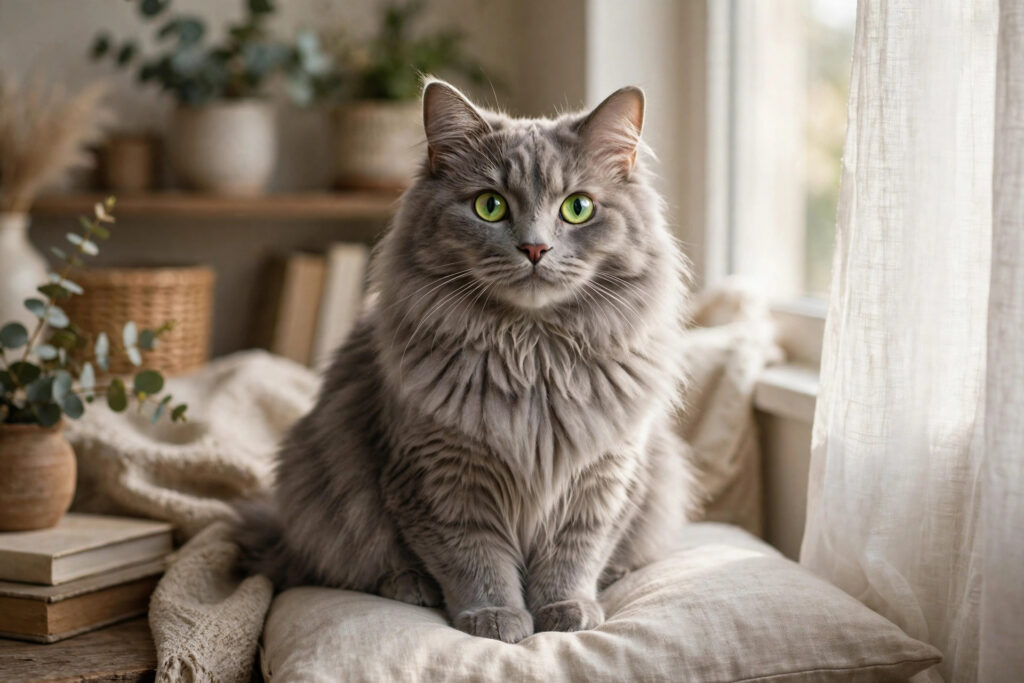
The doorbell is the most overlooked Halloween hazard. It rings dozens of times, strangers crowd your door, and pets that have never seen a crowd can panic and bolt out the open door. Even a usually calm pet can behave differently with all that noise.
Your checklist:
- Set up your pet in a quiet back room with the door closed for the evening — a bedroom or laundry room works well. Add their bed, a water bowl, and a favorite toy.
- Play calming music or white noise in that room to soften the doorbell sound.
- Walk your dog earlier in the evening, before trick-or-treaters arrive, and keep cats indoors all day and night.
- If you must open the front door with a loose pet, put them on a leash first or use a baby gate as a second barrier.
- Let your guests know: don’t open doors or gates without checking where the pet is.
For cat owners in particular, a night with lots of door traffic is the night to double down on indoor safety. Our guide to keeping black cats safe at night on Halloween: https://petszila.com/halloween-safety-tips-for-cats-keeping-black-cats-safe-at-night/ covers extra steps for households with cats during the holiday.
Identification: Make Sure Your Pet Can Get Home
If your pet does slip out the door during Halloween night, proper identification is what brings them home. Shelters report a spike in lost pets around Halloween, so this one step is genuinely important.
Your checklist:
- Make sure your pet wears a collar with an ID tag that has your current phone number.
- If your pet is microchipped (recommended), check that your contact details are up to date with the microchip registry.
- Keep a recent photo of your pet on your phone so you can share it quickly if needed.
- After Halloween night, check that the collar and tag survived the evening intact.
What NOT to Do
- Don’t leave pets alone with candy, costumes, or decorations. Every Halloween hazard gets worse unsupervised.
- Don’t force a costume on a stressed pet. A happy pet without a costume beats a miserable one in a funny photo.
- Don’t use real candles in pumpkins or lanterns. LED alternatives look great and can’t burn a curious nose or a wagging tail.
- Don’t let guests feed your pet treats or table scraps. One well-meaning guest can undo all your planning.
- Don’t assume a pet that is “usually fine” will be fine on Halloween night. The noise, strangers, and chaos are brand new to them.
- Don’t wait to call the vet if something seems wrong. It is always better to ask than to wish you had.
When to See a Vet
Halloween night problems are usually “something was eaten” or “something spooked them.” You don’t need to diagnose anything yourself — just watch for warning signs and let your vet decide what to do.
Call your vet (or an emergency animal clinic) if you notice:
- Vomiting, diarrhea, drooling, or gagging that doesn’t settle.
- Difficulty breathing, coughing, or wheezing.
- Signs of pain such as whimpering, limping, hiding, or not wanting to be touched — our guide to 12 warning signs your cat is in pain: https://petszila.com/how-to-tell-if-your-cat-is-in-pain-12-warning-signs/ can help you recognize what pain looks like.
- Extreme restlessness, shaking, or trying to hide for a long time after the excitement ends.
- Anything your pet ate that you know is dangerous, like chocolate, xylitol products, raisins, or glow stick liquid — don’t wait for symptoms to appear.
Save your vet’s phone number and the number of the nearest emergency animal clinic in your phone before Halloween night. If your vet is closed in the evening, know in advance which clinic is open.
Frequently Asked Questions
Can my dog go trick-or-treating with me?
For a first-time pet owner, the safer answer is no. Crowds, costumes, loud noises, and dropped candy make the street stressful and risky for pets. Take your dog on a nice walk earlier in the evening instead, and let someone stay home with your pet (or keep them in their quiet room) while you take the kids out.
My cat is an indoor cat. Do I still need to do anything special?
Yes. Indoor cats can still slip out an open door when strangers are coming and going, and the noise alone can stress them. Keep your cat in a quiet room with the door closed during trick-or-treat hours, make sure their ID tag is on, and double-check that windows and doors stay shut.
What should I do if my pet seems scared of the doorbell?
Move them to the quietest room in the house, close the door, and add something soothing — a familiar blanket, a chew toy, or calm music. Don’t punish fear or force your pet to “face it.” Comfort them calmly. If the fear is severe (shaking, panting, trying to escape), call your vet for advice.
Are there any Halloween treats my pet can have?
Yes — pet-safe treats made specifically for dogs and cats. Keep a small bowl of their regular treats in the quiet room so they can have their own “celebration.” Never share human candy, chocolate, or baked goods, even in tiny amounts.
How early should I start preparing?
The week before is ideal. That gives you time to test a costume, stock up on LED candles, set up the quiet room, check ID tags and microchip details, and save the emergency vet number. A relaxed week of prep beats a frantic Halloween evening.
A Calm Night Is a Win
Your first Halloween with a pet doesn’t have to be perfect — it just has to be safe. The whole checklist really comes down to three things: keep the candy out of reach, keep your pet calm and away from the front door, and know who to call if something goes wrong. Do those three things, and the rest is bonus.
You’ll get the hang of it fast, and next year you’ll be the experienced pet parent giving advice to the new owners on the block. Have a happy, spooky, and safe Halloween with your furry family member!