
You lie down on the couch, your dog curls up at your feet, and out comes that long, dramatic sigh — sometimes followed by a low groan as he settles into his spot. So why does your dog sigh and groan when lying down? Is he happy, tired, bored — or is something wrong?
The good news: in most cases, a sigh or groan when your dog lies down is completely normal. Dogs use these sounds to express feelings, just like we do. But once in a while, a new or changed groan can be your dog’s way of telling you something needs attention. Let’s walk through the most likely reasons, what you can do, and when it’s worth calling your vet.
Sheer Contentment
The most common reason your dog sighs when lying down is simple happiness. Many dogs let out a deep sigh the moment they settle into a cozy spot — after a walk, after dinner, or when they curl up next to you on the couch. Think of it as the dog version of sinking into your favorite chair after a long day and exhaling with relief.
This “happy sigh” usually happens in a calm, relaxed moment. Your dog’s body language tells the story: soft eyes, loose muscles, maybe a little wiggle as he finds the perfect position. If the sigh comes with a relaxed face and he drifts off to sleep or just lies there peacefully, it’s almost certainly a sign of a content dog.
What you can do: Enjoy it. A contented sigh means you’ve created an environment your dog loves. Keep up the routine — regular walks, meals on time, and a comfortable resting spot all help your dog feel this settled. If he sighs most when lying near you, take it as a compliment.
Pure Tiredness
Dogs sigh and groan from exhaustion, just like tired people do. After a long walk, an active play session at the park, or a day of new experiences, your dog may flop down and let out a big groan while settling in. This is his body releasing tension.
Puppies and young dogs are especially dramatic about this. An overtired puppy may groan, whine, or sigh heavily when finally lying down — much like an overtired toddler who fights sleep until the very last second. If you’d like to understand the signs that your pup has simply played too hard, read our guide on the signs your puppy is overtired and cranky, not misbehaving.
What you can do: Make sure your dog’s rest after exercise is truly restful. Offer fresh water first, then let him settle somewhere quiet. For puppies, watch for the pattern: groaning after big activity usually means the schedule needs balancing — shorter, more frequent play sessions with naps in between work better than one long, exhausting outing.
Seeking Your Attention
Some dogs learn quickly that a loud sigh or groan gets a reaction. If you look over, laugh, or pet him every time he sighs dramatically, he may start sighing on purpose to get your attention. This is especially common in breeds known for being expressive, like Huskies, Beagles, and Pugs — the natural comedians of the dog world.
How can you tell it’s an attention sigh? Watch the timing. An attention-seeking sigh often comes with a glance in your direction, a lifted head, or the sigh stopping the moment you respond. He might sigh, look at you, and then settle only after you’ve acknowledged him.
What you can do: This is harmless behavior, and there’s nothing wrong with responding to a dog who’s asking for a little love. Just be consistent. If you don’t want to encourage dramatic sighing during quiet times (like when you’re working), give him attention for calm, quiet lying-down instead — a gentle word or a treat when he settles silently. Dogs repeat what gets rewarded.
Physical Discomfort When Lying Down
Sometimes a groan is about the body, not the mood. Dogs with sore joints, arthritis, or general stiffness may groan as they lower themselves to the floor or shift positions. The groan here sounds different — it’s often a shorter, lower sound made during the movement of lying down, rather than a relaxed sigh after settling in.
This is more common in senior dogs, but it can happen at any age after an injury, a very active day, or with certain health conditions. You might notice your dog circles before lying down, hesitates before getting up, or avoids hard floors in favor of soft bedding.
What you can do: Small comfort changes can help a lot. Provide a supportive, padded dog bed — orthopedic memory-foam beds are a great option for older dogs. Keep the bed in a warm spot away from drafts, since cold can make stiff joints feel worse. Gentle, regular movement (short daily walks) usually helps more than total rest. If your dog is a senior, his daily comfort needs may be changing — our guide on the best dog food for senior dogs includes tips on supporting older dogs through diet too.
Keep an eye on the pattern. A groan that appears suddenly, gets louder over time, or comes with stiffness, limping, or reluctance to move deserves a vet check. We’ll cover the warning signs in detail below.
Aging Changes
As dogs get older, they tend to sigh and groan more — and this is often perfectly normal. Aging dogs, like aging people, make more noise when moving. Their joints are stiffer, their muscles recover more slowly, and the simple act of lying down takes more effort. A senior dog may sigh every single time he settles in, and that can just be his new normal.
Older dogs also sleep more deeply and may groan in their sleep during dream cycles, sometimes with twitching paws or little barks. This is usually harmless — he’s dreaming, probably about chasing something wonderful.
What you can do: Adjust the environment for an aging dog rather than expecting him to adjust to it. A raised or ramped bed makes lying down easier. Keep his weight in a healthy range, since extra weight puts more pressure on aging joints. And keep routines predictable — senior dogs find comfort in knowing what comes next. Gentle massage of the shoulders and hips before bedtime can help some older dogs settle more comfortably.
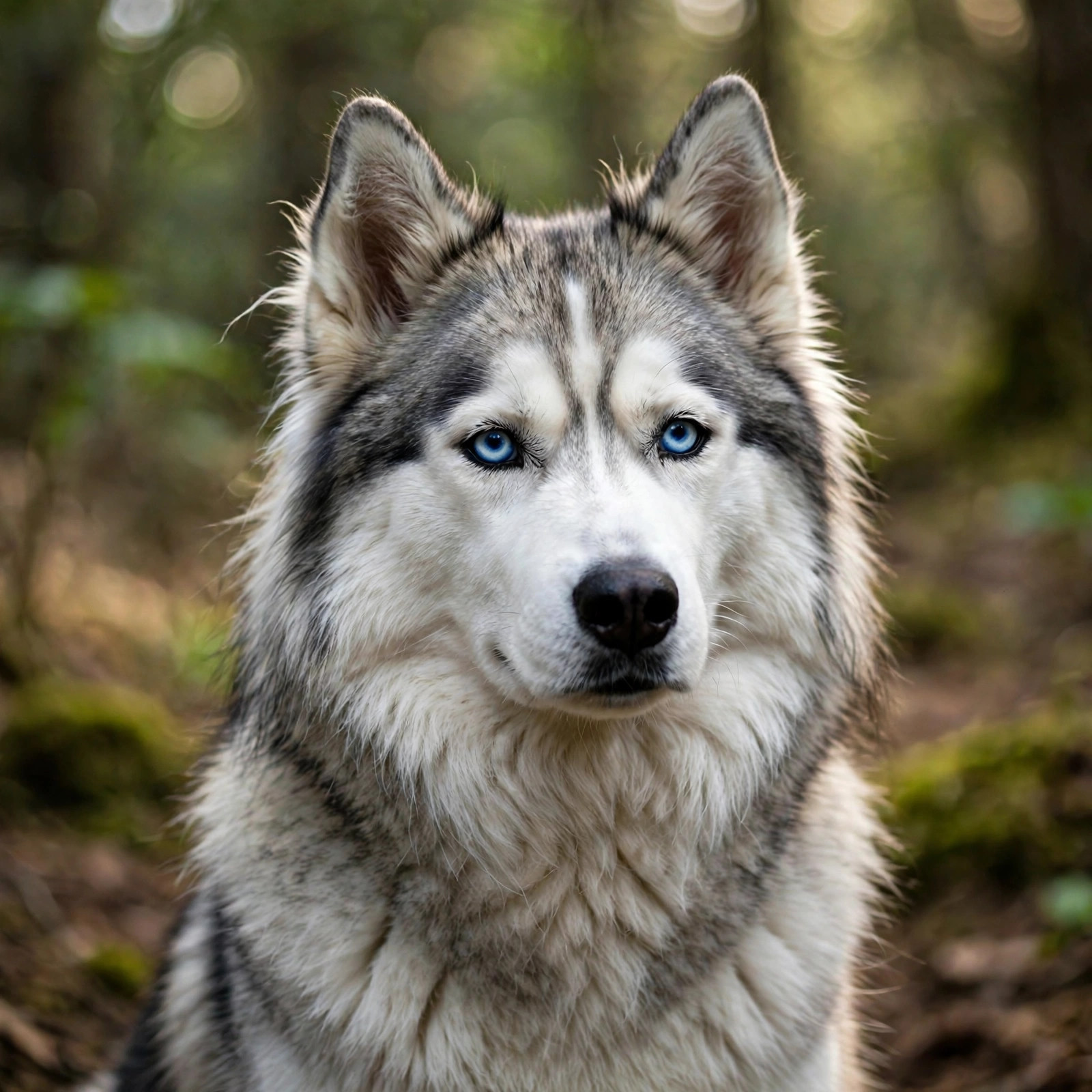
What Your Dog’s Body Language Is Telling You
The sound alone doesn’t tell the whole story — the body language around it matters just as much. Here’s how to read the full picture:
- Relaxed sigh: soft or half-closed eyes, loose jaw, body melting into the bed. This is contentment or tiredness.
- Playful or demanding sigh: eyes on you, ears up, sigh followed by a look. This is communication — he wants something.
- Uncomfortable groan: stiffness when lying down, shifting positions repeatedly, groaning during the movement rather than after. This is worth watching.
- Groaning with other symptoms: loss of appetite, less interest in walks, licking or chewing at a spot, or restlessness at night. These combinations suggest it’s time to call the vet.
Learning to read these small signals is one of the most valuable skills a dog owner can build. The more you watch, the easier it becomes to tell a happy sigh from a worried groan.
What NOT to Do
When your dog sighs and groans, a few common reactions can backfire. Here’s what to avoid:
Don’t ignore a sudden change. If your dog has always sighed happily but suddenly starts groaning differently — or groans every time he moves — don’t just assume it’s a new quirk. Changes in sound deserve attention, not dismissal.
Don’t scold or punish the sound. Sighing and groaning are communication, not misbehavior. Punishing your dog for making noise teaches him to stop telling you things, which is the opposite of what you want.
Don’t give pain medication meant for humans. This is critical. Medicines like ibuprofen and acetaminophen are dangerous for dogs and can cause serious harm. Never give your dog any medication without your vet’s guidance — even if you’re convinced he’s sore.
Don’t force exercise to “work through” stiffness. If your dog groans because movement hurts, pushing him on a long walk or rough play can make things worse. Gentle, short activity is fine, but let his comfort set the pace.
Don’t try to diagnose him yourself. Searching symptoms online can lead you to scary conclusions that don’t apply to your dog. Use what you observe to have a better conversation with your vet, not to replace one.
When to See a Vet
Most sighing and groaning is normal, but some situations call for professional advice. Contact your vet if you notice any of the following:
- The groaning started suddenly and sounds like pain, not relaxation
- Your dog groans every time he lies down or gets up, and this is new
- The sound is paired with limping, stiffness, or reluctance to walk or climb stairs
- He’s eating less, drinking more or less than usual, or losing weight
- He’s restless at night, panting, or can’t seem to get comfortable
- You notice swelling, a hot spot, or he yelps when you touch a specific area
- His energy has dropped noticeably and the groaning is part of a bigger change
Your vet can check for joint issues, pain, or other conditions that aren’t obvious from the outside. A quick visit for peace of mind is always better than waiting and worrying. If you’re unsure whether a symptom is connected, our article on why your dog might be shaking and what to do covers another common sign that owners often misread.
When you do visit, tell your vet exactly what you’ve observed: when the groaning started, whether it happens lying down or getting up, and what else has changed. The more detail you give, the faster your vet can help.
Frequently Asked Questions
Why does my dog sigh heavily when lying down next to me?
Most likely, it’s contentment. Dogs often sigh most deeply when they’re near the people they love — it’s their way of relaxing fully. A heavy sigh while lying next to you, with soft eyes and a calm body, usually means he feels safe and happy. Think of it as a compliment: you are his favorite resting spot.
Is it normal for puppies to groan when lying down?
Yes, very normal. Puppies are dramatic about everything, including rest. An overtired puppy may groan, whine, or sigh heavily when finally settling down after play. As long as the puppy is otherwise healthy — eating well, playing normally, and growing — groaning at rest is just part of puppy life. It usually becomes less dramatic as they mature.
Why does my older dog groan every time he lies down?
Senior dogs groan more because lying down takes more physical effort. Aging joints, stiffer muscles, and slower recovery all play a role. Some groaning with age is normal, but if it’s new, getting worse, or paired with stiffness or limping, have your vet take a look. Comfortable bedding and a healthy weight make a real difference for older dogs.
Should I be worried if my dog groans in his sleep?
Usually not. Dogs dream just like we do, and groaning, twitching, or soft barking during sleep is typically part of a dream cycle. Let him sleep — waking a dreaming dog suddenly can startle him. Only be concerned if the sleep groaning is new, happens alongside breathing changes, or he seems distressed when he wakes.
How can I tell if my dog’s groaning means pain?
Context is everything. A pain-related groan is usually made during movement — while lowering down or pushing up — rather than after settling. Watch for stiffness, repeated position changes, reluctance to move, appetite changes, or licking at one spot. A single relaxed sigh after flopping onto the couch is very different from a groan every time he stands up. When in doubt, a vet visit settles the question.
A Sigh Is Usually a Good Sign
That long sigh your dog lets out when lying down is, most of the time, one of the sweetest sounds a dog owner can hear. It means he’s comfortable, he trusts his home, and he’s exactly where he wants to be. Learn his normal sounds, watch for changes, and enjoy the quiet moments together.
And when something does feel off — a new groan, a change in the pattern, discomfort you can’t explain — trust your instincts and call your vet. You know your dog better than anyone, and noticing the small things is what great dog ownership is all about. Now go give that sighing, groaning, wonderful dog a scratch behind the ears.