
Every Thanksgiving, it happens in kitchens across the country: the turkey is carved, the table is set, and those big hopeful eyes are locked on you. Your dog knows exactly what’s on that plate, and they want some. The question is — should you share?
The short answer is that turkey can be safe for dogs, but only when it’s the right part, prepared the right way, and given in the right amount. Most of what’s on the Thanksgiving table — the seasoned skin, the bones, the gravy — is not safe at all. Let’s break it all down so your pup can enjoy the holiday without a trip to the emergency vet.
The Short Answer: Yes, But Only the Plain Parts
Plain, cooked, boneless, skinless turkey meat — especially the white breast meat — is generally safe for dogs in small amounts. It’s lean, high in protein, and easy for most dogs to digest. A few small bites of plain turkey breast won’t harm a healthy dog.
But that’s where the yes ends. The turkey most of us serve on Thanksgiving is seasoned with butter, garlic, onions, and salt, then roasted with skin that turns golden and fatty. Cooked turkey bones splinter dangerously. Gravy is loaded with fat and salt. That version of turkey? Not safe for dogs.
Why Turkey Can Be a Good Treat
Turkey itself isn’t a bad food for dogs. In fact, turkey is a common ingredient in many commercial dog foods. Here’s why the plain stuff can be a nice occasional treat:
- Lean protein: Turkey breast is low in fat compared to other meats, which makes it a solid protein source.
- Nutrients: Turkey contains B vitamins, selenium, and zinc, which support your dog’s overall health.
- Easy to digest: For most dogs, plain cooked turkey is gentle on the stomach.
Many dog foods use turkey as their main protein, so your dog may already be eating it in some form. That’s a good sign — it means their body is already used to it. If you’re interested in other human foods that are safe for dogs, our guide on can dogs eat pumpkin safely covers another Thanksgiving table item that can be good for digestion.
The Danger Parts: Skin, Bones, and Seasoning
Now let’s talk about what makes Thanksgiving turkey risky. It’s not the meat itself — it’s everything around it.
Turkey Skin
Turkey skin is one of the most dangerous parts for dogs. It’s extremely high in fat, and a sudden meal of fatty skin can trigger pancreatitis — a painful and potentially serious inflammation of the pancreas. Signs of pancreatitis can include vomiting, loss of appetite, belly pain, and lethargy. Small dogs are especially at risk because it takes less fat to overwhelm their system.
Beyond the fat, the skin also absorbs all the butter, oil, and seasonings used during cooking.
Cooked Turkey Bones
Never give your dog cooked turkey bones — not the drumstick, not the carcass, not the wing bones. Cooking makes bones brittle, so they splinter into sharp pieces when chewed. These splinters can cut the mouth, throat, or intestines, cause choking, or create blockages in the digestive tract.
A dog happily crunching a turkey leg at the table is one of the classic Thanksgiving emergency-vet stories. It feels natural to hand over the leftover bones, but it’s one of the riskiest things you can do.
Seasonings and Garlic
Thanksgiving turkeys are usually seasoned with things that are fine for us but harmful for dogs. Garlic and onion (including garlic powder and onion powder) can damage a dog’s red blood cells and cause anemia. Sage, rosemary, and heavy salt aren’t good either. Even a “lightly seasoned” turkey can carry enough garlic or onion to cause trouble for a small dog.
Gravy and Stuffing
Turkey gravy is usually made with drippings, butter, and flour — a triple hit of fat, salt, and richness that can upset your dog’s stomach or trigger pancreatitis. Stuffing often contains onions, garlic, and herbs, making it unsafe too. Keep both off your dog’s plate.
How Much Turkey Can a Dog Have?
If you want to share a little plain turkey with your dog, moderation is everything. A good rule of thumb is the 10% treat rule: treats (including human food) should make up no more than 10% of your dog’s daily calories.
Here are some rough guidelines:
- Small dogs (under 20 lbs): A tablespoon or two of plain turkey breast, cut into small pieces.
- Medium dogs (20–50 lbs): A small handful of plain turkey breast.
- Large dogs (over 50 lbs): Up to a half cup of plain turkey breast.
These are occasional-treat amounts, not meal replacements. If your dog has never had turkey before, start with just a tiny piece and watch for any stomach upset over the next 24 hours. For more on getting daily portions right, see our guide on how much to feed your puppy per day by age and weight.
Also remember: turkey is a treat, not a balanced meal. It doesn’t replace your dog’s regular dog food, which is formulated with the right balance of nutrients they need.
Safe Ways to Serve Turkey to Your Dog
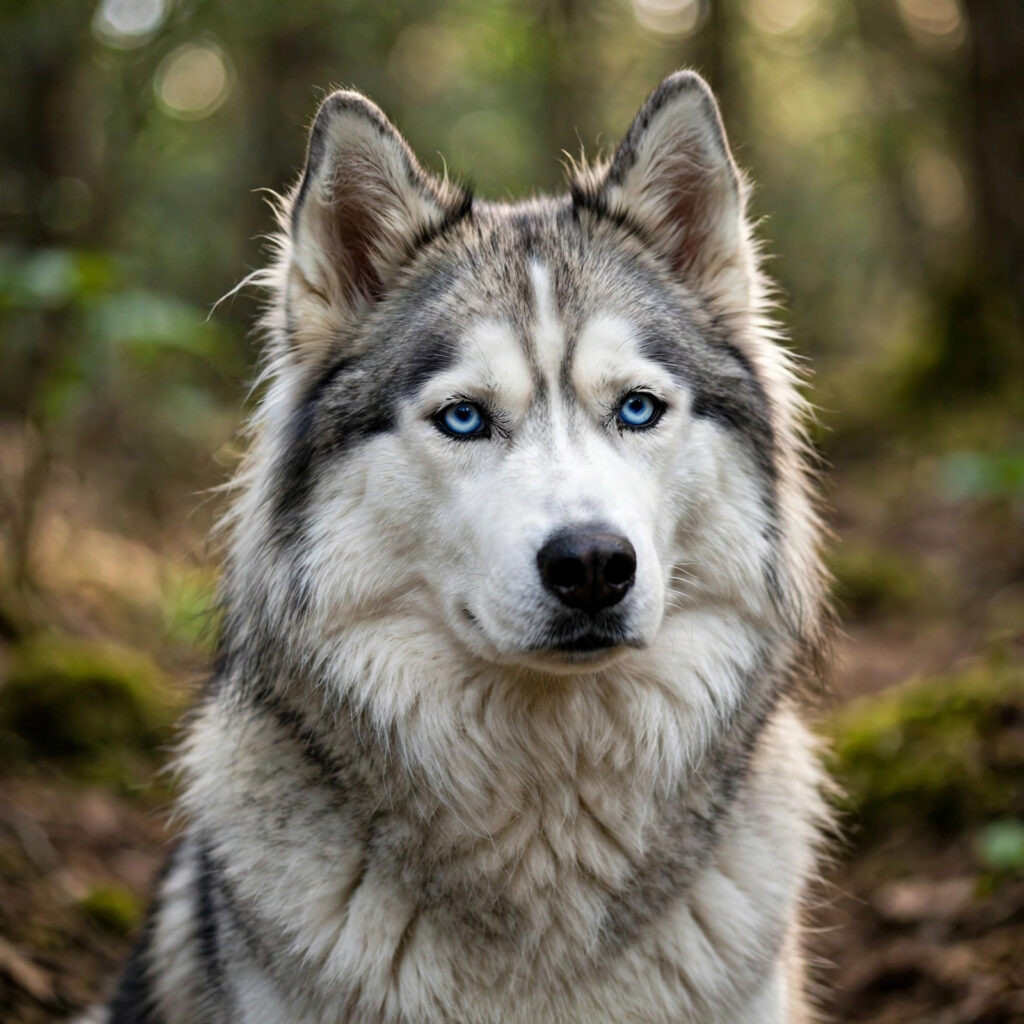
If you decide to share, here’s how to do it safely:
- Set aside plain meat before seasoning. The safest move is to cook a small unseasoned portion of turkey breast separately, or to pull meat aside before you season the bird.
- Remove all skin and fat. Trim off every bit of skin, fat, and connective tissue.
- Remove all bones. Double-check for small bones, especially around the ribs and wings.
- Cut into small pieces. Cut the meat into bite-sized pieces appropriate for your dog’s size to prevent choking.
- Serve plain and at room temperature. No butter, no gravy, no seasonings. Let it cool before serving.
- Mix it into their regular food. A little plain turkey mixed with their normal dinner is often better than a big bowl of it on its own.
If you want to make the holiday extra special, plain turkey mixed with a spoonful of plain canned pumpkin (not pumpkin pie filling) makes a nice festive topper — learn more in our article on can dogs eat pumpkin safely and is it good for digestion.
What to Do If Your Dog Ate the Wrong Part
Despite your best efforts, dogs are fast and sneaky — especially on a chaotic holiday. If your dog got into the turkey, don’t panic. Here’s what to do:
If they ate plain cooked meat: A moderate amount of plain turkey meat is unlikely to cause problems. Watch for mild stomach upset and make sure they have plenty of water.
If they ate turkey skin or gravy: Watch closely for signs of digestive upset or pancreatitis — vomiting, diarrhea, loss of appetite, belly pain, or unusual tiredness. These signs can show up anywhere from a few hours to a couple of days later. Contact your vet for guidance, especially for small dogs.
If they ate cooked bones: This is the most urgent scenario. Don’t try to make your dog vomit — sharp bone pieces coming back up can cause more damage. Watch for choking, gagging, drooling, vomiting, bleeding from the mouth, or signs of belly pain. Call your vet or an emergency vet clinic right away, even if your dog seems fine — some problems like internal blockages develop over hours or days.
If they ate seasoned turkey or stuffing: Check the ingredient list for garlic and onion. If your dog ate a significant amount of food containing garlic or onion, contact your vet. Signs of toxicity (like weakness or pale gums) can take a few days to appear.
Keep your vet’s number and the number of an emergency animal hospital somewhere easy to find before the holiday — the ASPCA Animal Poison Control hotline is another option if your regular vet is closed.
Holiday Table Safety Tips
Thanksgiving is a team effort when it comes to keeping your dog safe:
- Tell your guests the rules. Well-meaning visitors are the number-one source of table scraps. Let everyone know not to feed the dog without asking you first.
- Secure the trash. Turkey carcasses, bones, and packaging go straight into a tied-up bag inside a lidded trash can — or take them outside immediately.
- Watch the counter. Keep food pushed back and never leave the turkey unattended while it rests.
If you’re curious about the feline side of the holiday table, check out our guide on can cats eat pumpkin pie safely — it covers why the dessert table is off-limits for cats.
What NOT to Do
Let’s make this crystal clear — here’s the holiday don’t list:
- Don’t give your dog the turkey carcass or any cooked bones. They splinter and can cause serious internal injuries.
- Don’t feed turkey skin. The fat content is a pancreatitis risk, especially for small dogs.
- Don’t share seasoned, buttered, or brined turkey. Garlic, onion, and heavy salt are the main concerns.
- Don’t pour gravy over your dog’s food. It’s far too rich and salty.
- Don’t leave the turkey unattended. A determined dog can pull a whole bird off the counter in seconds.
- Don’t let guests feed your dog table scraps. Set the rule early and clearly.
- Don’t try to induce vomiting at home if your dog swallowed bones — call the vet first for guidance.
- Don’t assume “just a little” skin is fine. For a small dog, even a little fatty skin can cause problems.
- Don’t feed raw turkey to your dog. Raw poultry carries bacteria risks for both dogs and the humans handling it. If you’re exploring alternative diets, read our breakdown of FDA warnings on raw dog food first.
When to See a Vet
Most dogs who sneak a bite of plain turkey will be just fine. But certain situations call for professional help:
- Your dog ate cooked turkey bones — call your vet or an emergency clinic right away, even if they seem normal.
- Vomiting or diarrhea that doesn’t stop, or gets worse, within 24 hours.
- Signs that could point to pancreatitis: repeated vomiting, belly pain or a hunched posture, loss of appetite, or unusual tiredness after eating fatty food.
- Possible garlic or onion ingestion in a significant amount — signs like weakness, pale gums, or dark urine can appear days later.
- Choking, gagging, drooling, or trouble swallowing.
- Any sudden behavior change, lethargy, or collapse.
When in doubt, call. Vets would always rather hear from you early than treat an emergency late. Holidays are busy at emergency clinics, so the sooner you reach out, the better.
Frequently Asked Questions
Can dogs eat turkey breast?
Yes — plain, cooked, boneless, skinless turkey breast is the safest part of the turkey for dogs. Serve it in small amounts with no seasoning, butter, or gravy.
Can dogs eat turkey legs?
The meat itself is fine if it’s plain and boneless, but the leg bone is the big problem. Cooked leg bones splinter easily and are dangerous. If you want to share leg meat, strip it completely off the bone and remove all skin first.
Can dogs eat deli turkey or turkey lunch meat?
It’s best to avoid it. Deli turkey and lunch meat are high in sodium and usually contain preservatives, garlic powder, or other seasonings that aren’t good for dogs. Stick to plain cooked turkey breast instead.
What if my dog ate turkey skin?
Don’t panic, but watch your dog closely for 24–48 hours. Signs of trouble include vomiting, diarrhea, loss of appetite, belly pain, or lethargy — possible signs of pancreatitis or stomach upset. Contact your vet, especially if your dog is small or ate a lot.
Is turkey better for dogs than chicken?
They’re nutritionally similar — both are lean proteins that work well for dogs. Some dogs with chicken sensitivities do well on turkey, which is why turkey appears in many limited-ingredient dog foods. Neither should replace a balanced diet. And just like with turkey, only the plain cooked meat is safe — no skin, no bones. If you’re exploring other safe human foods, you might also like our guide on can dogs eat cheese safely.
Conclusion
So, can dogs eat turkey safely? Yes — as long as it’s plain, cooked, boneless, and skinless, and given in small amounts. The Thanksgiving bird on your table, with its buttery skin, garlic seasoning, and gravy, is a different story entirely.
The easiest way to include your pup in the holiday is to set aside a little unseasoned turkey breast before you cook, trim it well, and serve it plain. Happy Thanksgiving — from our pack to yours.