
A single sneeze from your dog is usually nothing to worry about. Dogs sneeze for many of the same reasons people do: a bit of dust, a tickle in the nose, or excitement during play. But when the sneezing keeps happening, day after day, it is natural to start wondering what is going on.
The good news is that most repeated sneezing in dogs is caused by simple, everyday things. Allergies, dry air, strong smells, or a bit of excitement can all set it off. Less often, sneezing can be a sign of something that needs a vet’s attention, such as an infection or a foreign object stuck in the nose.
This guide walks you through the most common possible causes, what you can safely try at home, and the warning signs that mean it is time to call your vet. It is general information only, not a diagnosis. Every dog is different, and if you are unsure, a quick vet check is always the safest choice.
What Is Dog Sneezing, Exactly?
Sneezing is the body’s way of clearing the nose. When something irritates the inside of your dog’s nose, the body forces air out quickly to push it away. It is a reflex, which means your dog cannot control it, just like you cannot control your own sneeze.
There are a few different kinds of sneezing to watch for:
- A single sneeze here and there: Totally normal. Most dogs sneeze now and then, just like people do.
- A sneezing fit: Several sneezes in a row, often after sniffing something, running around, or getting excited.
- Reverse sneezing: This sounds scary but is usually harmless. Your dog makes rapid snorting or honking sounds while pulling air inward, rather than blowing it out. It often happens during excitement or after eating and drinking too fast, and it usually stops on its own within a minute.
- Ongoing sneezing: Sneezing that happens many times a day, lasts for several days, or comes with other signs like a runny nose, coughing, or low energy. This is the kind worth looking into more closely.
9 Possible Causes of Frequent Sneezing in Dogs
1. Dust, Pollen, and Everyday Allergies
Just like people, dogs can be sensitive to pollen, dust, mould, and grass. If your dog sneezes more in spring, after rolling in the grass, or after you have dusted the house, allergies or simple irritation may be the cause.
What helps:
- Wipe your dog’s paws and face with a damp cloth after walks, especially on high-pollen days.
- Vacuum and dust regularly, and wash your dog’s bed often.
- Keep windows closed on very windy, high-pollen days if you notice a pattern.
- Avoid using heavily scented air fresheners, plug-ins, and strong cleaning sprays around your dog.
2. Strong Smells and Household Irritants
Dogs have a far stronger sense of smell than we do, so scents that seem mild to us can be powerful to them. Perfume, scented candles, essential oil diffusers, cigarette smoke, cleaning products, and even a new air freshener can irritate a dog’s nose and trigger sneezing.
3. Dry Air
Dry indoor air, especially in winter when heating is on, can dry out your dog’s nasal passages and make them sneeze more. A dry nose can sometimes go along with this, and while a dry nose alone is not usually a cause for alarm, it can be a clue that the air in your home is very dry.
What helps:
- Run a humidifier in the room where your dog spends most of their time.
- Make sure your dog always has fresh water available.
- Avoid placing your dog’s bed right next to radiators, heaters, or air vents.
4. Excitement and Play Sneezing
Some dogs sneeze when they are happy. This is sometimes called a “play sneeze.” It often happens during rough-and-tumble play, when greeting a favourite person, or just before a walk. It is thought to be a way dogs communicate that they are playing and having fun, not a sign of illness.
5. Something Stuck in the Nose
Dogs explore the world with their noses, so it is no surprise that small things sometimes get stuck: a grass seed, a bit of dirt, a tiny piece of food, or a blade of grass. This often causes sudden, intense sneezing, pawing at the face, and sometimes sneezing from just one nostril.
This is one of the few sneezing causes you should not try to fix at home. Do not poke anything into your dog’s nose or try to flush it out yourself, as this can push the object further in or injure the delicate lining. If you suspect something is stuck, especially if the sneezing started suddenly during a walk, contact your vet promptly.
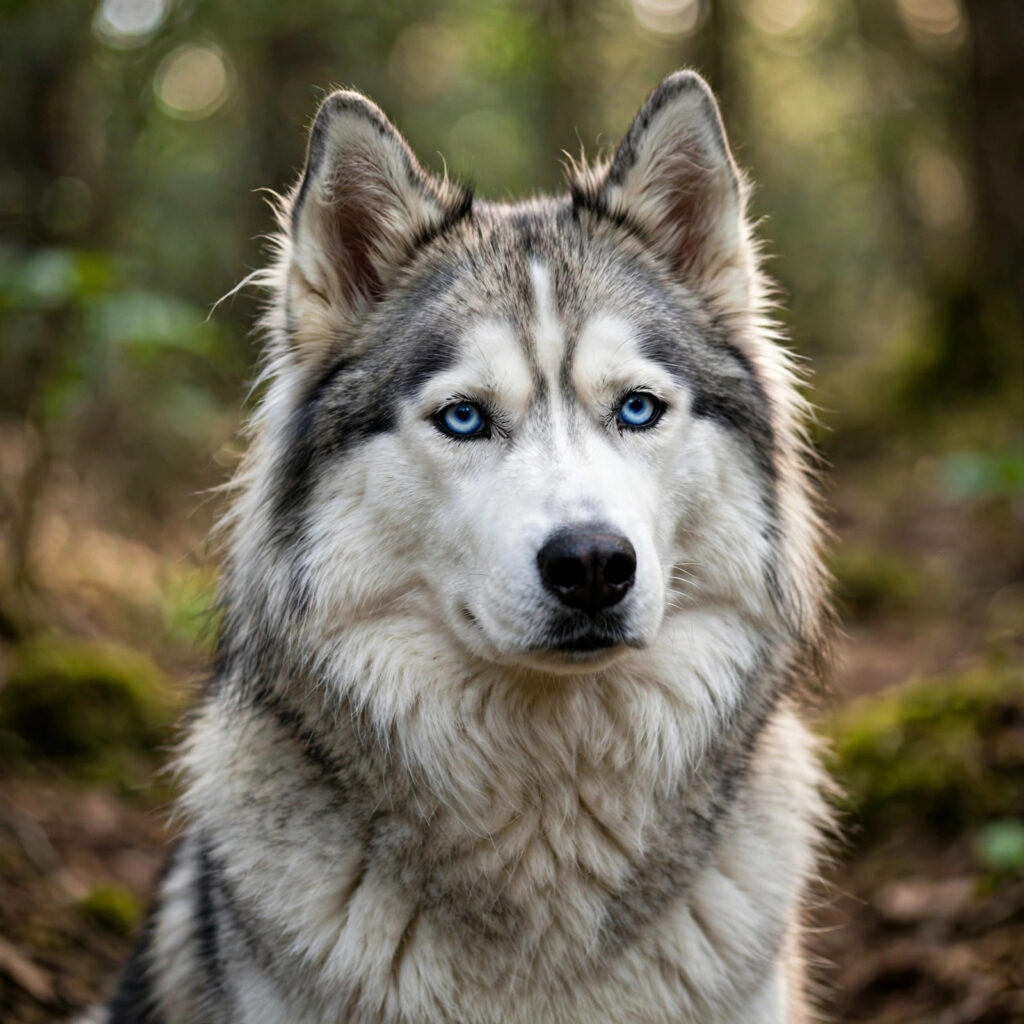
6. Nasal Mites
Nasal mites are tiny parasites that live inside a dog’s nose and sinuses. They are not visible to the naked eye, and they are not the same as the ear mites or skin mites you might have heard of. Dogs can pick them up from other dogs, often through direct nose-to-nose contact.
Possible signs include frequent sneezing, snorting, nosebleeds, head shaking, and a runny nose. If your dog is also shaking his head a lot, that combination is worth mentioning to your vet. Nasal mites are treatable, but they do need a vet’s diagnosis and the right treatment.
7. Upper Respiratory Infections
Like people catching a cold, dogs can get upper respiratory infections. These can be caused by viruses or bacteria, and they spread easily between dogs, especially in kennels, dog parks, daycare, or grooming salons.
Along with sneezing, you might notice a runny nose, coughing, watery eyes, a reduced appetite, or your dog being quieter than usual. Most mild infections clear up with rest and care, but puppies, older dogs, and dogs with other health problems can be more vulnerable, so it is worth checking with your vet, especially if symptoms last more than a few days or get worse.
8. Dental Problems
This one surprises many owners, but tooth and gum problems can affect the nose. The roots of a dog’s upper teeth sit very close to the nasal passages. An infected tooth, advanced gum disease, or an abscess can irritate the nose and cause sneezing, sometimes from one side only.
9. Nasal Tumours and Growths (Less Common)
In older dogs, persistent sneezing from one nostril, especially with nosebleeds or a change in the shape of the face, can sometimes be linked to a growth inside the nose. This is much less common than allergies or irritation, but it is one reason why one-sided, long-lasting sneezing should always be checked by a vet.
What You Can Do at Home
While you are figuring out the cause, these gentle steps can help your dog feel more comfortable:
- Keep the air clean. Vacuum, dust, wash bedding, and avoid strong scents and smoke.
- Wipe after walks. A quick wipe of the nose, face, and paws removes pollen and dust.
- Add a little humidity. A humidifier or a steamy bathroom (run a hot shower with the door closed for a few minutes, then let your dog sit in the warm, humid air) can soothe a dry, irritated nose.
- Watch and note. Keep a simple note of when the sneezing happens, how often, and anything else you notice. This is genuinely helpful for your vet.
If your dog is also breathing faster than usual or seems uncomfortable in other ways, it is worth reading up on why your dog might be panting a lot so you can tell your vet about the full picture.
What NOT to Do
It is tempting to try to fix sneezing quickly, but some common well-meaning moves can make things worse:
- Do not give human medicines. Never give your dog antihistamines, decongestants, or cold medicines meant for people unless your vet has specifically told you to. Doses and ingredients that are safe for people can be harmful to dogs.
- Do not put anything into your dog’s nose. No cotton buds, tweezers, sprays, or home flushes. The inside of the nose is delicate and easy to injure.
- Do not use essential oils on or near your dog without vet advice. Some oils that are fine for people are toxic to dogs, and even safe ones can irritate a sensitive nose when diffused in a closed room.
- Do not ignore one-sided sneezing or nosebleeds. Sneezing from one nostril only, or sneezing with blood, is not a “wait and see” situation. Call your vet.
- Do not over-bathe your dog. Bathing too often can dry out skin and coat. A quick wipe after walks is usually enough.
- Do not punish or scold sneezing. Your dog cannot help it, and stress can make excitement sneezing worse.
When to See a Vet
Most sneezing is harmless, but book a vet visit promptly if you notice any of these:
- Sneezing that lasts more than a few days, or keeps coming back
- Sneezing from one nostril only
- Blood in the mucus, or nosebleeds
- Thick, yellow, or green discharge from the nose
- Coughing, difficulty breathing, or wheezing
- Loss of appetite, low energy, or fever
- Swelling around the face, eyes, or nose
- Pawing at the face, head shaking, or obvious pain
- Sneezing in a very young puppy, an elderly dog, or a dog with an existing health condition
Do not wait if your dog is struggling to breathe, bleeding heavily from the nose, or suddenly very unwell. In that case, contact your vet or an emergency vet clinic straight away.
Frequently Asked Questions
Why does my dog sneeze when playing?
Play sneezing is common and usually a happy signal. Many dogs sneeze during excited play or greetings as a way of saying “this is fun, I am not being aggressive.” If your dog looks relaxed and happy, and there is no mucus or other sign of illness, play sneezing is nothing to worry about.
Is reverse sneezing dangerous?
Reverse sneezing sounds alarming, with rapid snorting and honking, but it is usually harmless and passes within a minute. You can help by staying calm, gently stroking your dog’s throat, or briefly covering their nostrils to encourage a swallow. If reverse sneezing happens very often, lasts a long time, or comes with other symptoms, ask your vet about it.
Can dogs have seasonal allergies?
Yes. Many dogs are sensitive to pollen, grass, and mould, and their sneezing may be worse in spring or summer. Wiping paws and faces after walks, washing bedding, and keeping the house clean can help. If seasonal sneezing is severe or comes with itchy skin or sore eyes, your vet can advise on safe options for your dog.
Should I worry if my dog sneezes blood?
Sneezing with blood should always be checked by a vet, especially if it happens more than once or comes from one nostril. Possible causes range from a minor irritation or a foreign object to infection or, less commonly, something more serious. Do not try to treat it at home. Note how much blood there is and whether it is from one or both sides, and call your vet promptly.
How can I tell if my dog’s sneezing is serious?
The pattern tells you a lot. Occasional sneezing in a happy, eating, active dog is usually fine. Sneezing becomes more concerning when it is frequent, lasts for days, comes from one side, involves blood or thick coloured discharge, or comes with coughing, breathing trouble, loss of appetite, or low energy. If several of these apply, or you are simply unsure, a vet visit is the right call.
Conclusion
A sneezing dog is usually just a dog with a tickly nose. Dust, pollen, strong smells, dry air, and plain excitement explain most cases, and a few simple home habits, like wiping paws after walks and keeping the air clean, go a long way.
The key is to know your dog’s normal. Notice when the sneezing changes, how long it lasts, and whether anything else changes with it. That awareness, plus a prompt vet visit when the warning signs appear, is the best care you can give.