
If you have ever cooked chicken for dinner and felt a pair of eyes watching you from the kitchen floor, you are not alone. Cats are famously curious about the smell of cooked chicken, and many of them will happily beg for a bite. The good news is that plain, cooked chicken is generally considered a safe treat for most cats when it is prepared the right way and served in small amounts.
But “safe” does not mean “serve it any way you like.” Raw chicken, bones, seasoning, and large portions can all cause problems. This guide walks you through exactly how to offer chicken to your cat safely, what to avoid, and when a quick call to your vet is the smarter move.
Why Cats Love Chicken
Cats are obligate carnivores, which simply means their bodies are built to get most of their nutrition from animal-based protein. Chicken is lean, soft, easy to chew, and full of protein, so it is no surprise that many cats find it irresistible.
It is also a common ingredient in commercial cat food, so a little extra plain chicken is usually nothing new to their digestive system. That said, treats should stay a small part of the diet. Your cat’s regular, complete cat food should remain the main source of nutrition, because it is balanced with the vitamins, minerals, and amino acids — like taurine — that cats need.
Think of chicken as a bonus, not a meal replacement. A small treat a few times a week is plenty for most cats.
Plain Cooked Chicken: The Only Safe Way to Serve It
The golden rule is simple: plain, cooked, and unseasoned. Here is how to get it right every time.
Cook it thoroughly. Boil, bake, or grill the chicken until it is fully cooked all the way through, with no pink parts left. Cooking kills harmful bacteria that can make both cats and people sick.
Keep it plain. No salt, no pepper, no garlic, no onion powder, no marinades, and no sauces. Many common seasonings are not safe for cats, and even a small amount of garlic or onion can be harmful. If you are cooking chicken for yourself, set a small plain piece aside for your cat before you add any seasoning to the rest.
Remove the skin and fat. Chicken skin is high in fat and can upset a sensitive stomach. Trim it off, along with any visible fat, before serving.
Cut it small. Shred or dice the chicken into tiny, bite-sized pieces. This makes it easy to eat and reduces any risk of choking, especially for older cats or cats that tend to gulp their food.
Serve it at room temperature. Very hot chicken can burn your cat’s mouth, and fridge-cold chicken straight from the refrigerator may be less appealing. Let it cool down, or warm refrigerated chicken briefly so it is lukewarm, not hot.
Start small. The first time you offer chicken, give just a tiny piece — about the size of your thumbnail — and watch how your cat reacts over the next day. If everything seems normal, you can offer a normal treat-sized portion next time.
How Much Chicken Can a Cat Eat?
Portion size matters more than most people realize. Treats, including chicken, should make up no more than about 10 percent of your cat’s daily calories. For an average adult cat, that usually means just one or two small tablespoons of cooked chicken per day at most — and many cats do fine with even less, a few times a week rather than every day.
Here are a few practical portion tips:
- Small cats and less active cats need smaller portions. A single tablespoon is often plenty.
- Larger or more active cats may handle a little more, but it is still a treat, not a second dinner.
- Overweight cats should get the smallest portions — ask your vet about treats if your cat is on a weight-management plan.
If you are unsure about the right amount for your cat’s size, age, or health, your vet can give you a quick guideline tailored to your cat.
Can Cats Eat Raw Chicken?
This is one of the most common questions cat owners ask, and the answer is: it is best to avoid it. While wild cats eat raw prey, raw chicken from a store carries a different level of risk. It can contain bacteria such as Salmonella and Campylobacter, which can cause vomiting, diarrhea, and stomach upset in cats — and can also spread to people in the household through handling, bowls, and litter trays.
If your cat ever steals a piece of raw chicken from the counter, do not panic. Watch for signs of stomach upset over the next day or two, such as vomiting, diarrhea, or a loss of appetite, and contact your vet if you notice anything unusual. Clean the area and wash your hands thoroughly after handling raw chicken.
Cooked Bones: A Real Danger
Cooked chicken bones are one of the biggest hazards to watch out for. Cooking makes bones brittle, so they can splinter easily when chewed. Splinters can cut the mouth, get stuck in the throat, or cause damage further along the digestive tract.
Rules for bones:
- Never give your cat cooked chicken bones, including drumsticks, wings, and leftover carcass bones.
- Always check shredded or diced chicken carefully for small bone fragments before serving.
- If you buy a rotisserie chicken, pick the meat off the bone and double-check for tiny bones hiding in the meat.
- Raw bones are sometimes discussed in raw-feeding circles, but they still carry choking and bacterial risks, so most vets advise against giving bones of any kind as a casual treat.
If your cat swallows a cooked bone, stay calm and watch closely. Signs that may need prompt vet attention include choking, gagging, drooling, vomiting, abdominal pain, or difficulty passing stool. Do not try to force the bone out yourself — call your vet for advice.
Seasoning, Sauces, and Leftovers to Avoid
Many of the things that make chicken delicious for us make it unsafe for cats. Be careful with:
- Garlic and onion in any form — fresh, powdered, or cooked into a sauce. These can damage a cat’s red blood cells and are best avoided entirely.
- Salt and salty coatings — too much salt can cause thirst, stomach upset, and other problems, especially for cats with kidney or heart concerns.
- Spicy rubs and marinades — chili, pepper, and strong spices can irritate a cat’s stomach.
- Barbecue sauce, gravy, and creamy sauces — these often contain onion, garlic, sugar, salt, and fat.
- Fried chicken — the crispy coating is usually salty, seasoned, and high in fat, and the skin underneath is fatty too.
- Deli meat and processed chicken slices — these are often high in salt and preservatives, so they are not a good everyday treat.
The safest leftover chicken for your cat is plain chicken you cooked yourself, with nothing added. If you are not sure what went into a dish, it is better to skip it.
Can Kittens Eat Chicken?
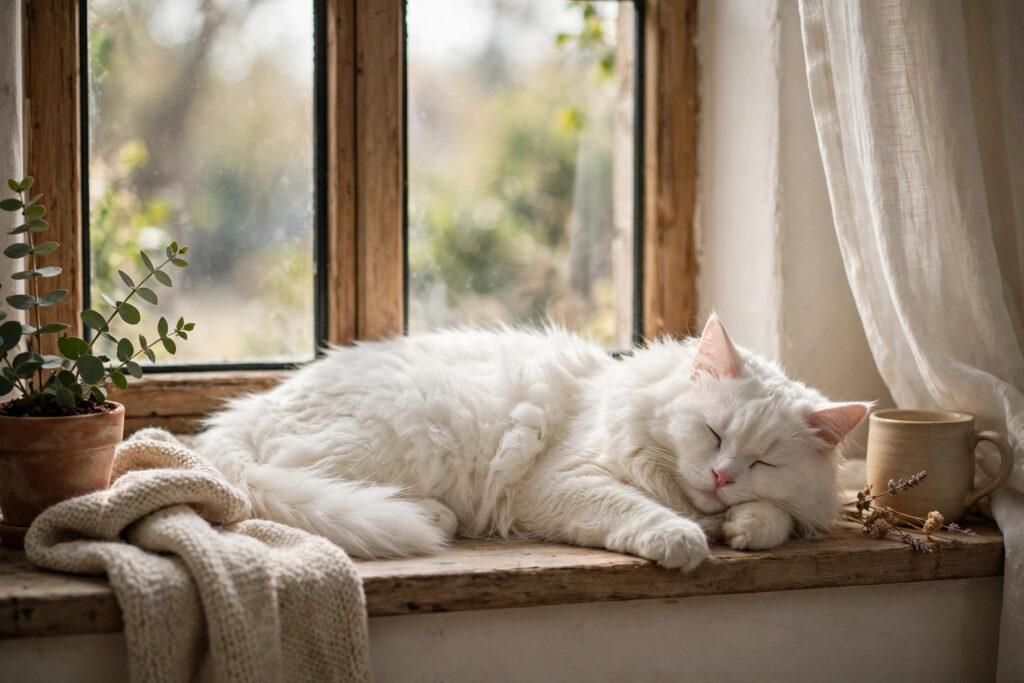
Yes, kittens can usually enjoy tiny pieces of plain cooked chicken too, but with extra care. Kittens have small stomachs and sensitive digestive systems, so portions should be very small — just a few tiny shreds at a time.
Wait until your kitten is eating solid food comfortably, and introduce chicken slowly, one new food at a time, so that if your kitten has a sensitive stomach reaction, you will know what caused it.
If your kitten is very young, underweight, or has any health concerns, check with your vet before adding new treats to their diet.
Chicken for Cats With Sensitive Stomachs
Plain boiled chicken is often one of the gentler foods for cats, which is why vets sometimes suggest it as part of a short-term bland diet when a cat has an upset stomach. However, you should only do this on your vet’s advice, and only for the short period they recommend — a bland diet is not a long-term solution.
If your cat has a known food sensitivity, be cautious. Some cats are actually allergic to chicken, even though it is a common cat food ingredient. Possible signs include itchy skin, ear irritation, vomiting, or loose stools that keep coming back after eating chicken. If you notice a pattern, stop offering chicken and talk to your vet about an alternative protein.
Other Safe Protein Treats to Try
Chicken is a great starting point, but it is not the only protein treat cats enjoy. For example, many cat owners wonder about holiday leftovers, and our guide on whether cats can eat turkey safely covers portions and preparation tips for turkey in the same plain-and-simple style.
Eggs are another popular choice when cooked plain. Before offering them, read our guide on whether cats can eat eggs, since preparation matters just as much as it does with chicken.
And if your cat is eyeing your cheese plate, our guide on whether cats can eat cheese explains why dairy is trickier for many cats than plain meat. In every case, the same rules apply: plain, small portions, and watch for any reaction.
What NOT to Do
- Do not feed raw chicken as a regular treat.
- Do not give cooked chicken bones, ever.
- Do not season your cat’s chicken with salt, garlic, onion, spices, or sauces.
- Do not serve chicken skin, fatty pieces, or fried coatings.
- Do not replace your cat’s balanced cat food with chicken alone.
- Do not offer large portions every day — treats should stay small and occasional.
- Do not give deli meat, processed chicken slices, or heavily salted leftovers as a routine treat.
- Do not ignore repeated vomiting, diarrhea, or itching after eating chicken — stop the treat and talk to your vet.
When to See a Vet
Most cats enjoy plain chicken without any trouble, but it is important to know when a vet visit is needed. Contact your vet if you notice any of the following after your cat eats chicken:
- Vomiting or diarrhea that lasts more than a day, or happens repeatedly
- Blood in vomit or stool
- Refusal to eat or drink, or unusual lethargy
- Signs of choking, gagging, or drooling after eating a bone
- Swelling of the face or mouth, or trouble breathing (seek urgent care)
- Persistent itching, skin redness, or ear irritation that seems linked to chicken
- Abdominal pain, bloating, or straining in the litter box
These are general warning signs, not a diagnosis. Only your vet can tell you what is going on with your cat, so when in doubt, a quick phone call is always better than waiting and worrying.
FAQ
Can cats eat chicken every day?
A small amount of plain cooked chicken every day is usually fine for a healthy adult cat, as long as it stays within the treat limit of about 10 percent of daily calories and does not replace their balanced cat food. Many owners prefer offering it a few times a week instead, which is also perfectly fine.
Is boiled chicken better than grilled chicken for cats?
Boiled chicken is often the simplest and safest choice because it needs no oil, seasoning, or charring. Grilled chicken is fine too, as long as it is plain, fully cooked, and has no marinade, rub, or sauce on it. Avoid heavily charred or burnt pieces.
Can cats eat chicken skin?
It is best to remove the skin before serving. Chicken skin is high in fat and can cause stomach upset or contribute to weight gain. Plain lean meat is the healthier option for your cat.
Can cats eat chicken from a rotisserie chicken?
Only if you pick off plain meat with no skin, no seasoning, and no bones. Many rotisserie chickens are seasoned or injected with salt solutions, so check carefully — if the meat tastes salty or seasoned, skip it and offer plain home-cooked chicken instead.
What should I do if my cat ate a cooked chicken bone?
Stay calm and watch your cat closely for choking, gagging, drooling, vomiting, or abdominal discomfort. Do not try to pull the bone out or induce vomiting yourself. Call your vet right away for advice, especially if your cat shows any worrying signs.
A Final Word
Chicken can be a wonderful, simple treat for your cat — as long as it is plain, cooked, boneless, and served in small portions. Skip the seasoning, skip the bones, and keep your cat’s regular food as the main event. Offer a little, watch how your cat responds, and enjoy those happy purrs when they realize a special treat is on the menu.
When you keep it simple, chicken is one of the easiest treats to get right — and one of the most loved by cats everywhere.