
You just brought home a tiny puppy, and now you have a big question: how much walking is enough, and how much is too much? Your puppy has endless energy one minute and falls asleep on the floor the next. It is tempting to think more exercise will tire them out. But with puppies, more is not always better.
A puppy’s body is still growing. Too much structured walking can stress growing joints, while too little can leave a puppy bored and restless. The good news is that finding the right balance is simple once you know the basic rule.
The 5-Minute Rule: The Guideline Most Vets Use
Many vets use a simple guideline called the 5-minute rule: about 5 minutes of structured exercise for each month of your puppy’s age, up to twice a day. Structured exercise means a walk on a leash, where your puppy follows your pace. It does not mean free play in the garden, where your puppy can run, stop, and rest whenever they like. Puppies are good at self-regulating during free play. On a leash walk, they cannot do that as easily, because they are following you.
Here is how it works. At 2 months old, about 10 minutes per session. At 3 months, about 15 minutes. At 4 months, about 20 minutes. At 6 months, about 30 minutes. At 12 months, about 50 to 60 minutes. This is a guideline, not a strict law. Breed size matters a lot: small breeds often reach adult size sooner, while large and giant breeds grow for much longer. Your vet knows your puppy’s breed, size, and health, so their advice should always come first.
Why Puppies Cannot Walk as Far as Adult Dogs
Puppies have soft areas at the ends of their long bones called growth plates, where new bone grows. These plates are softer and more fragile than adult bone. They usually close when a dog reaches adult size: often around 12 months for small breeds, 12 to 14 months for medium breeds, and 18 to 24 months for large and giant breeds. Until they close, hard or repeated exercise can put too much stress on them.
That does not mean your puppy should stay inside all day. Gentle movement is healthy. It builds muscle, helps coordination, and lets your puppy explore the world. The problem is only too much of the wrong kind of exercise. A short walk on soft grass is kind to growing joints. A long walk on hard pavement, a run beside your bike, or repeated jumping up and down stairs is much harder on them. In hot weather, walk early or late, and test pavement with the back of your hand for five seconds — if it is too hot for you, it is too hot for paws. Choose grass or dirt paths where you can.
How Often Should You Walk a Puppy by Age? The Full Table
Use this table as a quick reference. The times are for structured leash walking per session, not free play.
| Puppy’s Age | Walk Per Session | Walks Per Day |
|---|---|---|
| 8 weeks (2 months) | About 10 minutes | 1 to 2 |
| 3 months | About 15 minutes | 1 to 2 |
| 4 months | About 20 minutes | 1 to 2 |
| 5 months | About 25 minutes | 1 to 2 |
| 6 months | About 30 minutes | 1 to 2 |
| 7 to 8 months | About 35 to 40 minutes | 1 to 2 |
| 9 to 10 months | About 45 minutes | 1 to 2 |
| 11 to 12 months | About 50 to 60 minutes | 1 to 2 |
| 12 to 18 months | Build toward adult levels slowly | 1 to 2 |
These numbers are a starting point. If your puppy is lagging behind, lying down, or panting heavily, the walk is already too long, even if you have not reached the number in the table. Walks are only one part of a puppy’s day. Puppies need a lot of sleep — often 18 to 20 hours a day when very young — and exercise should fit around sleep, not replace it.
What Counts as Good Exercise for a Puppy?
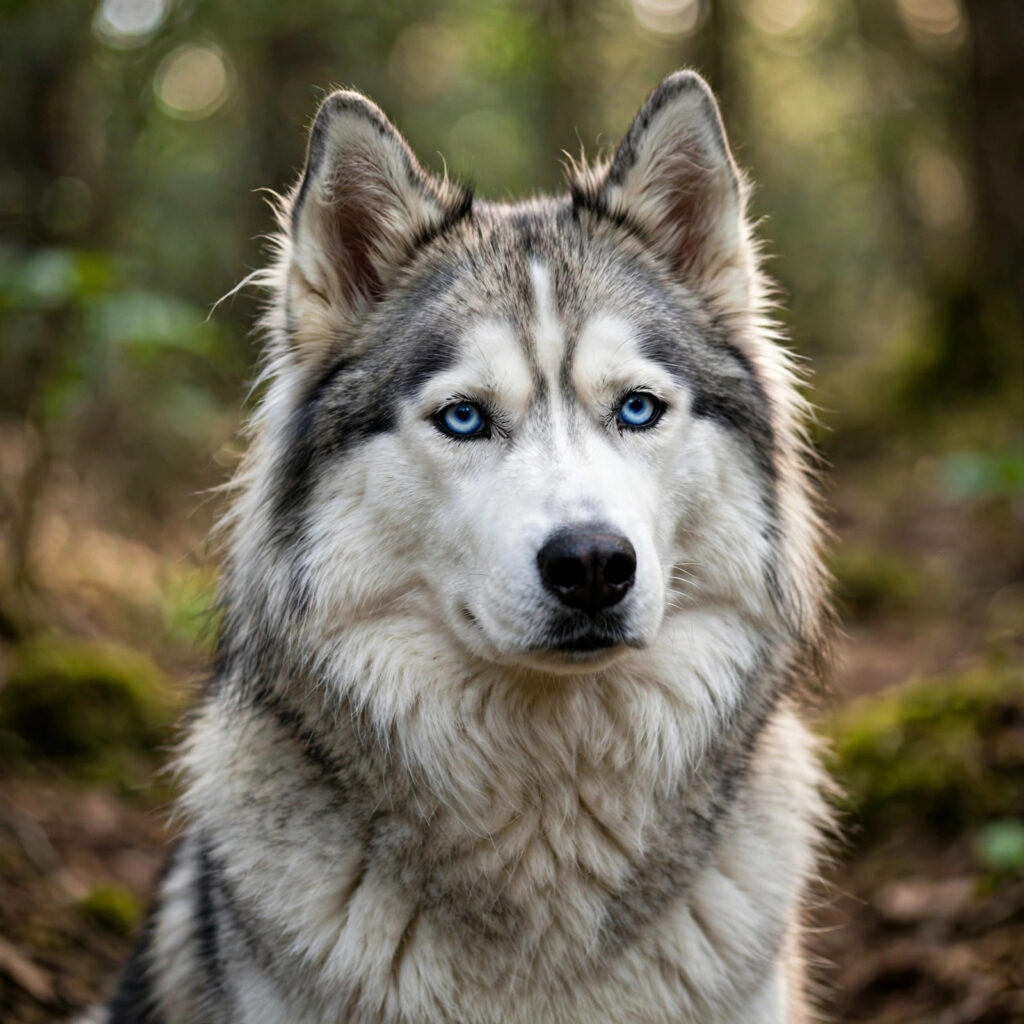
Not all exercise is the same. The best activities for a puppy are gentle, varied, and fun. They build confidence and tire the brain as well as the body.
Sniff Walks
A sniff walk is a slow walk where your puppy may stop and smell everything. Sniffing is tiring work for a dog’s brain. A 15-minute sniff walk can tire a puppy out more than a 30-minute fast walk. Let your puppy lead the sniffing. Sniff walks are also great for socialisation, as your puppy meets new smells, sounds, and sights at their own pace. For ideas on introducing new experiences gently, read our guide on how to socialize a puppy safely.
Gentle Play on Grass
Free play on a soft surface like grass is one of the safest ways for a puppy to exercise. Let them run around, chase a soft toy, or play with you in the garden. Because they choose when to run and when to rest, they are much less likely to overdo it. Keep play sessions short, around 5 to 10 minutes for a young puppy, and stop while they are still happy. Avoid hard tug-of-war or throwing a ball far and asking your puppy to sprint back again and again.
Short Training Games
Training is exercise for the brain, and it counts. A 5-minute training session can tire a puppy out just as much as a walk. Teach simple things like sit, come, and walking nicely on a leash. Keep sessions short and positive, and use small treats as rewards. Leash manners are worth starting early, in short bursts. Our guide on how to train a dog to walk on a loose leash without pulling explains a calm, step-by-step way to build this skill without long, frustrating walks.
Puzzle Games and Enrichment
You do not always need to go outside to tire a puppy out. Puzzle feeders, snuffle mats, and hiding treats in a towel can keep a puppy busy indoors — perfect for rainy days. Try scatter feeding: scatter some food on the grass or a clean floor and let your puppy sniff it out.
Walking by Age Stage
At 8 to 12 weeks, the first weeks at home are about settling in, not long walks. Short garden trips are enough. Before your puppy has finished their first vaccinations, your vet will usually advise against public walks, as young puppies can pick up illness from other dogs and from public ground. Until then, carry your puppy outside to see the world from your arms.
Between 3 and 6 months, your puppy is growing fast and becoming more confident. Two short walks a day, around 15 to 30 minutes each depending on age, is a good target for most puppies. Keep the pace slow. Puppies stop a lot to sniff and stare, and that is normal. If your puppy comes home and chews everything in sight, they may be overtired, not in need of a longer walk. Our article on signs your puppy is overtired and cranky, not misbehaving can help you spot the signs early.
From 6 to 12 months, your puppy can handle longer walks: about 45 minutes by 9 months, and close to an hour by 12 months. Large and giant breeds still need extra care, as their growth plates may not close until 18 to 24 months. Do not rush to adult-level exercise just because your puppy looks big — a 10-month-old Labrador may look almost full-grown, but their joints are still developing.
After about 12 months, small and medium breeds are often ready to build toward adult exercise levels. Large and giant breeds usually need more time. Add 5 to 10 minutes to your walks every week or two, and watch how your puppy responds. If they are still happy and moving freely the next day, you are on the right track. If they seem stiff or sore, you added too much too fast.
Signs Your Puppy Has Had Too Much Exercise
Puppies cannot always tell you when they have had enough, so watch for the signs. Stop the walk and head home if your puppy lags behind or refuses to walk further, lies down and does not want to get up, pants heavily and does not settle quickly after a rest, stumbles, limps, or moves stiffly, or becomes wild, bitey, or cranky after exercise instead of calm.
Some tiredness is normal: a puppy who comes home, has a drink, and naps is doing well. One who collapses, pants for a long time, or struggles to get up the next morning has probably done too much. When unsure, shorten the next walk.
What NOT to Do
Some types of exercise are best avoided until your puppy is fully grown. Do not take your puppy jogging or running beside you, as running on hard ground puts repeated impact on growing joints. Do not go on long hikes or very long walks, even if your puppy seems full of energy. Do not let your puppy jump on and off high furniture, or up and down lots of stairs again and again. Occasional stairs are usually fine, but repeated stair use has been linked in research to a higher risk of hip problems in large breeds. A 2012 study by Krontveit and colleagues found that early access to stairs was linked with a higher risk of hip dysplasia in large-breed dogs.
Do not play fetch with long, fast throws that make your puppy sprint, stop suddenly, and twist — short, gentle throws on grass are fine. Do not walk your puppy in public before your vet says their vaccinations are complete. And do not compare your puppy to other dogs: every puppy grows at a different pace.
When to See a Vet
Most puppies do well with short, gentle walks and plenty of rest. But talk to your vet if you notice any of these possible signs: limping or pain after a walk that does not settle within a day; swelling around a joint, or crying when a leg is touched; reluctance to walk, climb stairs, or play without a clear reason; repeated vomiting, diarrhoea, or loss of appetite after exercise; or heavy panting, collapse, or trouble breathing.
These are possible signs that something may need checking, not a diagnosis. Only your vet can examine your puppy and tell you what is going on. It is always better to ask early than to wait and worry.
FAQ
How many times a day should I walk my puppy?
Most puppies do well with one or two short walks a day, plus free play and training at home. Use the 5-minute rule as your guide.
Can I walk my puppy for an hour?
It depends on age. A 12-month-old puppy may be ready for close to an hour per session, but a 3-month-old puppy is not. Build up slowly over many months, and watch for signs of tiredness. If your puppy is lagging or panting heavily, the walk is too long.
Is free play in the garden counted as exercise?
Yes, but it is different from structured walking. Free play is usually safe because puppies can stop and rest when they need to. It does not replace walks completely, because walks also give your puppy new smells, sights, and social experiences.
What if my puppy still has energy after a walk?
This is very common, and it does not always mean they need a longer walk. Try a short training game or puzzle feeder indoors instead, and make sure your puppy is getting enough sleep — an overtired puppy can look hyper when what they really need is rest.
When can my puppy start running and hiking with me?
Most dogs are ready for running and longer hikes after their growth plates have closed, often around 12 months for small breeds and 18 to 24 months for large and giant breeds. Ask your vet before you start, and when you do begin, build up slowly on soft ground.
Conclusion
Walking your puppy is one of the best parts of having a dog. It is where you bond and your puppy learns about the world. You do not need long walks to make it count — short, calm, sniff-filled walks are often the best of all.
Start with the 5-minute rule, build up slowly, and let your puppy’s body set the pace. Choose soft ground, avoid high-impact exercise until your vet says it is safe, and watch for signs your puppy has had enough. Enjoy these short walks — they lay the foundation for a healthy, happy, confident adult dog, one sniff at a time.