
Your kitten is coming home soon — a tiny ball of fur with big eyes and a brave little heart. Before that happy day, your home needs a little preparation. Kittens explore with their mouths and claws. Everything gets sniffed, chewed, batted, and climbed. A phone charger looks like a toy. A rubber band looks like dinner. A houseplant looks like a salad bar.
Think Like a Kitten
Get down on the floor and crawl around your living room, kitchen, and bedroom. Kittens are fast, fearless, and endlessly curious — and they do not know what is dangerous. So it is your job to remove the danger first. A good rule: if it is small enough to fit in a kitten’s mouth, if it dangles, if it can be knocked over, or if it can be chewed through, it needs attention.
Electrical Cords and Cables
Chewing cords is one of the most common and most dangerous kitten habits. Sharp little teeth can bite through a thin charging cable in seconds, and a live power cord can give a serious electric shock or a burn inside the mouth. Bundle phone chargers, laptop cables, lamp cords, and TV cables with cable ties, and push them behind heavy furniture where little paws cannot reach. For cords that must stay out in the open, use hard plastic cord covers or spiral cable wraps. If you see your kitten chewing a plugged-in cord, switch the power off at the socket first, then gently move your kitten away. If cord-chewing becomes a regular habit, our guide on how to stop a cat from chewing cords and wires has more step-by-step tips.
Small Objects That Can Be Swallowed
Kittens swallow things. Anything small, stringy, shiny, or interesting can end up in a kitten’s mouth, and from there it can be swallowed or get stuck. Walk through your home and pick up every small object within reach: hair ties, rubber bands, buttons, coins, paper clips, pins, small batteries, and beads. Pay special attention to string, yarn, ribbon, thread, and dental floss. String is a serious ingestion risk. It can tangle inside a kitten’s intestines and cause a blockage that may need emergency surgery. Never leave balls of yarn, sewing kits, or gift ribbon lying around, and never let your kitten play with string unsupervised.
Toxic Houseplants — Lilies Are an Emergency
Many common houseplants are toxic to cats, and kittens are the most likely to chew on them. The most dangerous of all is the lily. True lilies — Easter lilies, tiger lilies, daylilies, and Asiatic lilies — are extremely poisonous to cats. Even a small bite of a leaf, a lick of pollen, or a drink from the vase water can cause sudden kidney failure. Lily poisoning is a genuine emergency: if you think your kitten has touched or eaten any part of a lily, call your vet immediately, day or night. Other plants toxic to cats include pothos, monstera, peace lilies, snake plants, and aloe vera. Before your kitten arrives, identify every plant in your home. Move toxic plants out of the house entirely, or into a room your kitten will never enter. For a full list, read our guide on which houseplants are toxic to cats — it covers the common ones and suggests safe swaps.
Medicines and Household Chemicals
Your medicine cabinet and cleaning cupboard are full of things that are harmless to you and dangerous to a kitten. Human painkillers, cold medicines, and vitamins can be toxic to cats. Never leave pills on a bedside table or kitchen counter. Store all medicines in closed cabinets, in their original bottles with the lids on tight. The same goes for cleaning products: bleach, disinfectant sprays, laundry detergent, dishwasher tablets, and air fresheners.
Breakables, Shelves, and Heavy Items
Kittens climb, and they push things off shelves, often just to see what happens. That vase you love and the framed photo on the bookshelf are both at risk — and so is your kitten if something heavy falls on them. Walk through each room and look at what sits on open shelves, mantels, and tables. Move valuable breakables into closed cabinets. Use museum putty or sticky pads to secure heavier items you want to keep on display. Remove sharp or fragile items from low shelves, such as glass ornaments and picture frames with glass fronts.
Windows, Balconies, and Doors
Kittens are drawn to windows. They love watching birds, feeling the breeze, and sitting in a sunny spot. But an open window or an unsecured balcony can be deadly, even from a low floor. Check every window. Make sure the screens are secure, with no holes, tears, or loose edges. If a window has no screen, keep it closed or open it only a few centimetres. Never leave a window wide open in a room where your kitten is unsupervised. Keep balcony doors closed until you have checked the railings for gaps a small kitten could slip through.
Appliances: Washing Machines, Dryers, and Ovens
Kittens love warm, dark, enclosed spaces — and a washing machine, a tumble dryer, or an open oven looks like the perfect hiding spot. Make it a habit to check inside the washing machine and dryer before you close the door and before you press start. The same goes for the dishwasher and the oven. In the kitchen, keep your kitten away from the stove while you are cooking. A hot hob, a pot of boiling water, or a pan of hot oil can cause a serious burn in seconds. And always check before you close the fridge door, because kittens sometimes climb inside when you open it.
Set Up a Safe Room
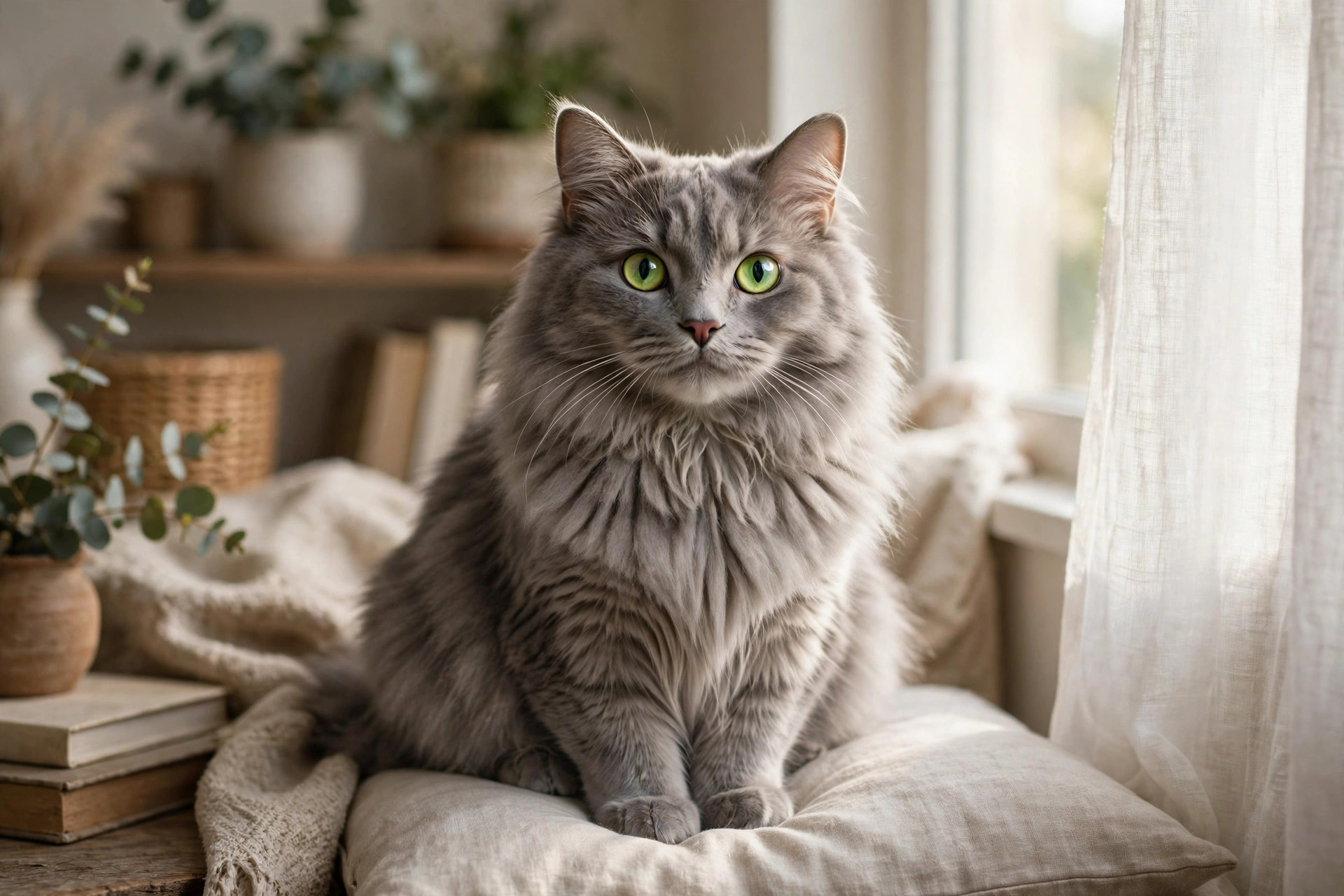
Your kitten’s first home within your home should be one quiet room. A safe room gives your new kitten a small, calm space to settle in while they get used to the sounds, smells, and people of their new life. The safe room needs a litter box in one corner, away from food and water, and food and water bowls on the opposite side of the room, because cats do not like to eat next to their toilet. It also needs a hiding box or a covered bed where your kitten can retreat when they feel unsure, plus a scratching post, a few toys, and a soft blanket that smells like you.
Litter Box Basics for Kittens
Kittens need a litter box they can actually use. A tall-sided box is too much for a tiny kitten to climb into, so choose one with a low entry. Use an unscented litter. Kittens have sensitive noses, and strongly scented litter can put them off using the box altogether. Avoid clumping clay litter for very young kittens, as they may try to eat it. Scoop the box at least once a day and change the litter regularly. A clean box is one of the best ways to avoid litter box problems later. Place the box in a quiet, easy-to-reach spot, and show your kitten where it is on their very first day. If you already have an older cat, you will need one litter box per cat, plus one extra.
Safe Toys vs. Dangerous Toys
Play is how kittens learn, burn off energy, and bond with you. But not all toys are safe, so choose carefully. Safe toys include small soft balls, crinkle balls, kitten-sized stuffed mice, and wand toys with feathers — as long as you supervise and put the wand toy away when playtime is over. Dangerous toys include anything with small parts that can be chewed off and swallowed, such as buttons, plastic eyes, bells, or loose stuffing. Avoid toys with long strings, cords, or elastic that your kitten could swallow or wrap around their neck. A good test: if you can pull a piece off the toy with your fingers, your kitten can chew it off too. Throw it away.
Room-by-Room Kitten-Proofing Checklist
Living room: Cover or hide all cords. Secure the TV and bookshelves to the wall. Move breakables into closed cabinets.
Kitchen: Store cleaning products in latched cupboards. Put medicines away. Keep the bin behind a closed door. Check the oven, dishwasher, and fridge before closing them.
Bedroom: Pick up hair ties, jewellery, and coins from bedside tables.
Bathroom: Keep the toilet lid down. Store medicines and cosmetics in closed cabinets. Put away dental floss and cotton buds.
Laundry room: Check the washer and dryer before every use. Store detergent pods up high in closed cupboards. Keep the door closed.
Hallway: Keep shoes in a closed cupboard — shoelaces are a favourite kitten target. Be careful with the front door when your kitten is nearby.
What NOT to Do
- Do not punish your kitten for exploring. Chewing and climbing are normal kitten behaviour. Redirect them to something safe instead.
- Do not leave your kitten alone with string, yarn, ribbon, or tinsel. Even for a few minutes.
- Do not assume a high shelf is safe. Kittens climb. Move toxic or breakable items out of the room.
- Do not give your kitten the whole house on day one. A small safe room first, then one new room at a time.
- Do not leave medicines or cleaning products out on counters. Put them away every single time.
When to See a Vet
Most kitten-proofing is about prevention, but it is also important to know when something has gone wrong. Call your vet immediately — do not wait and see — if any of the following happen. If your kitten swallows string, yarn, ribbon, thread, tinsel, a rubber band, or a hair tie, call your vet right away. If your kitten chews or eats any part of a lily, or drinks water from a lily vase, call your vet at once — lily poisoning is an emergency, and quick treatment can save your kitten’s life. Also call your vet if your kitten has trouble breathing, is drooling heavily, is vomiting repeatedly, has sudden diarrhoea, or seems very weak, wobbly, or unresponsive. Finally, if your kitten is straining to use the litter box, crying while trying to go, or has not passed urine for many hours, call your vet at once. This can be an emergency, especially in male kittens.
FAQ
When should I kitten-proof my home?
Start a few days before your kitten arrives, and do the final check the day before.
Can I let my kitten explore the whole house on the first day?
It is better not to. Start with one quiet safe room, and let your kitten explore one new room at a time over the first week or two. A whole house is overwhelming for a small kitten.
What should I do if my kitten eats something dangerous?
Stay calm and call your vet immediately. Do not try to make your kitten vomit unless your vet tells you to.
Are all lilies dangerous for kittens?
True lilies — such as Easter lilies, tiger lilies, daylilies, and Asiatic lilies — are extremely dangerous for cats, even in tiny amounts. The safest choice is to keep all lilies out of a home with a kitten.
How long do I need to keep my home kitten-proofed?
The most intense kitten-proofing is needed during the first six months, when your kitten is at their most curious and most likely to chew and swallow things.
Conclusion
Kitten-proofing your home is one of the kindest things you can do for your new family member. Cover the cords, pick up the small objects, move the toxic plants, lock away the medicines, and set up a quiet safe room. Then let your kitten explore, play, and grow, knowing you have done your best to keep them safe. And if you are also preparing for a puppy, our guide on how to puppy-proof your home before your puppy arrives covers the same idea for dogs — many of the habits work for both.