
“How often should I bathe my dog?” is one of the most common questions dog owners ask — and the honest answer is: it depends. Bathe too rarely and your dog gets smelly, itchy, and uncomfortable. Bathe too often and you strip the natural oils from their skin, causing dryness, flaking, and irritation. The sweet spot is different for every dog, shaped by breed, coat type, lifestyle, age, and skin health.
This guide gives you a clear, practical answer. You’ll learn the general bathing rules, exactly how often to bathe based on your dog’s coat type and breed, the signs you’re bathing too much or too little, and how to give a proper bath that keeps your dog’s skin and coat healthy. No guesswork — just straightforward advice you can use today.
The General Rule
For most healthy dogs with no skin problems, bathing once every 4 to 8 weeks is about right. That’s the baseline most veterinarians suggest. But “most dogs” covers a huge range — a couch-potato Pug and a mud-loving Labrador have very different needs.
Think of bathing frequency as a dial, not a fixed schedule. You’ll turn it up or down based on the factors below. And remember: brushing, wiping paws after walks, and spot-cleaning dirty areas can extend the time between full baths significantly.
Bathing Frequency by Coat Type
Coat type is the single biggest factor in how often your dog needs a bath.
Short, smooth coats (Beagles, Boxers, Pugs, Dalmatians): Every 6 to 8 weeks. These coats stay naturally clean and don’t trap much dirt. Over-bathing short-coated dogs is a common mistake — their skin dries out fast. Regular brushing with a rubber curry brush does most of the work.
Medium and double coats (Labrador Retrievers, Golden Retrievers, German Shepherds, Huskies): Every 4 to 6 weeks. Double-coated breeds shed heavily and their dense undercoat traps dirt and odor. Thorough brushing between baths is essential — a bath on top of a matted undercoat just makes tangles worse.
Long, silky coats (Yorkshire Terriers, Maltese, Shih Tzus, Afghan Hounds): Every 3 to 4 weeks. Long hair picks up dirt, tangles, and mats quickly. These dogs also need brushing several times a week — bathing a matted dog tightens the mats and makes them painful to remove.
Curly and wavy coats (Poodles, Doodles, Portuguese Water Dogs): Every 3 to 4 weeks, often as part of a grooming schedule. Curly coats trap dirt and odor close to the skin, and regular bathing keeps the curls clean and manageable. Most curly-coated dogs see a groomer every 4 to 6 weeks anyway.
Hairless breeds (Chinese Crested, Xoloitzcuintli): Every 1 to 2 weeks. Without fur to protect it, their skin gets oily and dirty fast — more like human skin. Gentle, frequent bathing with a mild shampoo keeps them comfortable.
Oily or wrinkly breeds (Basset Hounds, Bulldogs, Shar-Peis): Every 2 to 4 weeks. These breeds produce more skin oils and their folds trap moisture and bacteria. Clean the skin folds separately between baths with a damp cloth or vet-recommended wipe.
Other Factors That Change the Schedule
Lifestyle: A farm dog that swims in ponds needs more baths than an apartment dog that walks on pavement. After rolling in something foul, a bath is obviously needed regardless of schedule.
Age: Puppies under 8 weeks generally shouldn’t be bathed unless truly necessary — spot-clean with a damp cloth instead. Senior dogs with dry skin usually need fewer baths; lukewarm water and moisturizing shampoo help.
Skin conditions: Dogs with allergies, seborrhea, or yeast infections may need medicated baths as often as prescribed by a vet — sometimes weekly. But only bathe this frequently with a vet’s guidance and the right shampoo; frequent bathing with the wrong product makes skin problems worse.
Season: Dogs often need more baths in muddy spring or dusty summer months, and fewer in winter when indoor heating already dries their skin.
Signs You’re Bathing Too Often
Your dog’s skin will tell you when baths are too frequent. Watch for dry, flaky skin or dandruff, a dull or brittle coat, itching and scratching that started after you increased bath frequency, red or irritated skin, and a coat that feels rough or straw-like.
If you see these signs, stretch the interval between baths, switch to a gentler moisturizing or oatmeal-based shampoo, and increase brushing. The skin’s natural oils need time to recover — usually a few weeks.
Signs You’re Not Bathing Enough
On the flip side, these signs mean bath time is overdue: a strong “doggy” odor that doesn’t fade with brushing, a greasy or oily coat, visible dirt buildup, excessive scratching from trapped dirt and allergens, and dull coat with flaking that isn’t caused by over-bathing.
Smell is the most obvious signal. A healthy dog shouldn’t stink. If the odor returns within days of a bath, though, talk to your vet — persistent bad smell can indicate skin infections, ear problems, or dental issues rather than a bathing problem.
How to Bathe Your Dog Properly
A good bath technique matters as much as frequency. Here’s the right way to do it:
1. Brush first. Always brush out tangles and loose fur before the bath. Water tightens mats and makes them harder — and more painful — to remove later.
2. Use lukewarm water. Hot water dries and irritates skin; cold water is miserable. Lukewarm is the comfortable middle. Wet the coat thoroughly, avoiding the eyes and inner ears.
3. Use a dog-specific shampoo. Human shampoo has the wrong pH for dogs and strips their skin. Choose a gentle dog shampoo — oatmeal-based formulas are great for normal skin. Use only a small amount; more lather doesn’t mean more clean.
4. Lather from neck to tail. Work the shampoo through the coat with your fingertips, not nails. Clean the paws, belly, and rear end well — that’s where dirt collects. Keep shampoo away from eyes and ears.
5. Rinse, rinse, rinse. Leftover shampoo residue is a top cause of post-bath itching. Rinse until the water runs completely clear and the coat feels squeaky-clean, not slippery.
6. Dry thoroughly. Towel-dry first, then use a blow dryer on a low, cool setting if your dog tolerates it — hold it at a distance and keep it moving. Dogs with dense undercoats must be dried completely to the skin; trapped moisture can cause hot spots and fungal infections.
Choosing the Right Shampoo
Not all dog shampoos are equal. For normal skin, a gentle oatmeal or aloe-based shampoo works well. For puppies, use a tear-free puppy formula. For dogs with sensitive or itchy skin, look for hypoallergenic, fragrance-free options.
Medicated shampoos — antifungal, antibacterial, or anti-seborrhea formulas — should only be used when recommended by a vet, and exactly as directed. Whitening shampoos for light coats are fine occasionally but can be drying with frequent use. When in doubt, simpler is better: fewer fragrances and dyes means less chance of irritation.
Between-Bath Maintenance
Smart maintenance stretches the time between baths and keeps your dog comfortable:
- Brush regularly. Brushing removes dirt, distributes natural oils, and prevents mats. Short coats: weekly. Long or double coats: several times a week.
- Wipe paws after walks. A damp cloth or pet wipe on paws and belly removes most of the dirt your dog tracks in.
- Spot-clean as needed. A damp cloth handles muddy paws and dirty spots without a full bath.
- Use dry shampoo or wipes. Dog-safe waterless shampoos and grooming wipes freshen the coat between baths.
- Keep ears clean. Floppy-eared breeds especially benefit from regular ear checks and gentle cleaning — ear odor is often mistaken for “needs a bath” smell.
Common Bathing Mistakes to Avoid
The biggest mistake is using human shampoo — even baby shampoo has the wrong pH for dogs and causes dryness with repeated use. Second is bathing too often out of love; a weekly bath for a healthy short-coated dog is almost always too much.
Other mistakes: not rinsing thoroughly (residue causes itching), bathing a matted dog without brushing first, using water that’s too hot, getting water deep in the ears (which can cause infections — place cotton balls loosely in the ears if your dog tolerates it), and skipping the drying step for thick-coated dogs. Also, never bathe a dog right after vaccinations or surgery without your vet’s okay.
When to Talk to Your Vet
See your vet if your dog’s odor persists despite regular bathing, if itching, redness, or flaking doesn’t improve when you reduce bath frequency, if you notice bald patches, sores, or scabs, or if your dog’s skin smells yeasty or unusually strong. These can be signs of allergies, skin infections, hormonal conditions, or other issues that need diagnosis — not more baths.
Your vet can also recommend the right shampoo and bathing schedule for dogs with diagnosed skin conditions, and tell you when medicated bathing is appropriate.
Frequently Asked Questions
Can I bathe my dog once a week?
For most dogs, weekly bathing is too often and leads to dry, irritated skin. Exceptions: hairless breeds, dogs with certain vet-prescribed medicated shampoo routines, and dogs that get genuinely filthy every week. When in doubt, bathe less and brush more.
Is it okay to use baby shampoo on dogs?
Occasional use in a pinch won’t cause disaster, but baby shampoo still has the wrong pH for dog skin. For regular bathing, always use a shampoo formulated for dogs.
How do I bathe a puppy for the first time?
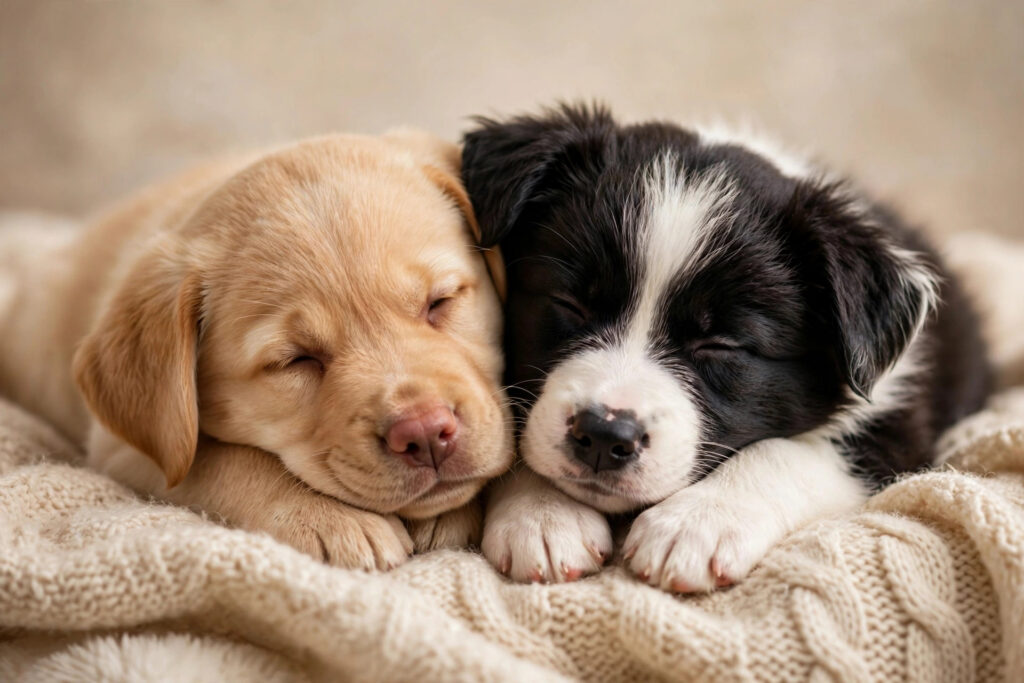
Wait until your puppy is at least 8 weeks old. Use lukewarm water, a tear-free puppy shampoo, and keep it short and positive — treats and calm praise throughout. Make the first bath a good experience and every future bath gets easier.
Why does my dog still smell right after a bath?
Persistent odor usually means the smell isn’t coming from the coat. Common culprits: ear infections, dental disease, anal gland issues, or skin infections. If a proper bath doesn’t fix the smell, a vet visit is the next step.
Should I bathe my dog in winter?
Yes, but less often. Winter air and indoor heating dry out skin, so stretch the interval, use lukewarm (not hot) water, and consider a moisturizing shampoo. Make sure your dog is completely dry before going outside in cold weather.
Final Thoughts
There’s no single right answer to how often you should bathe your dog — but now you know how to find yours. Start with the guideline for your dog’s coat type, adjust for lifestyle and season, and let your dog’s skin and coat tell you the rest. Brush more, bathe thoughtfully, use the right shampoo, and rinse well. A clean dog is a comfortable dog — and a comfortable dog is a happy one.