
Medically reviewed by: [VET NAME – TO BE FILLED BY OWNER] | Last updated: October 5, 2026
Cat diarrhea is loose or watery stool that happens when food moves through the intestines too quickly. A single mild episode often clears up within 24 to 48 hours with simple home care. See your vet if it lasts longer than two days, contains blood, or comes with vomiting, lethargy, or loss of appetite.
This guide explains the possible causes of diarrhea in cats, what different stool colors may mean, safe home care steps, and the warning signs that need veterinary attention. It is general information only — it cannot diagnose your cat. Only a vet who examines your cat can do that.
Key takeaways
- Mild, short-lived diarrhea (24–48 hours) in an otherwise normal cat often resolves with simple home care.
- Bloody, black/tarry, or watery diarrhea lasting more than 2 days needs a vet visit.
- Kittens, seniors, and cats with chronic illness dehydrate faster — contact your vet sooner.
- Never give your cat human medicines unless your vet specifically tells you to.
- Onions, garlic, and chocolate are toxic to cats — keep them out of reach.
Contents
- Possible Causes of Diarrhea in Cats
- What Your Cat’s Stool Color May Mean
- Signs to Watch For
- Home Care Basics: What You Can Do
- Food-Related Triggers: A Closer Look
- Diarrhea in Kittens
- How Long Does Cat Diarrhea Last?
- What NOT to Do
- When to See a Vet
- Frequently Asked Questions

Possible Causes of Diarrhea in Cats
Diarrhea happens when something disrupts the normal way the intestines absorb water and move food along. Cornell University’s College of Veterinary Medicine notes that most cases are short-lived and often linked to diet, while extended or recurrent bouts may point to an inflammatory, infectious, or more serious underlying condition. (Cornell Veterinary Medicine – Diarrhea)
Sudden Food Changes
This is one of the most common and most preventable causes. Switching brands, formulas, or even flavors overnight can lead to loose stools for a few days while gut bacteria adjust. Most vets recommend transitioning to a new food gradually over seven to ten days, mixing increasing amounts of the new food into the old.
Eating Something They Should Not Have
Cats are curious by nature. A piece of dropped human food, a nibble of a houseplant, spoiled food from the trash, or a hairball moving through the gut can all trigger temporary diarrhea. Some cats also chew non-food items like string or plastic — these can irritate the intestines and, in worse cases, cause blockages. Keeping tempting items out of reach goes a long way toward prevention.
Food Intolerances and Sensitivities
Some cats react to specific ingredients — common triggers include dairy (most adult cats cannot digest lactose properly), certain proteins, or rich, fatty foods. If the diarrhea keeps returning and always seems linked to meals, a food sensitivity could be part of the picture, something your vet can help investigate with a careful feeding trial.
Parasites
Intestinal parasites such as roundworms, hookworms, and giardia are a frequent cause of diarrhea, especially in kittens and in outdoor or recently adopted cats. A stool sample test at the vet clinic is the standard way to check for them, and most parasites are very treatable once identified.
Infections
Bacterial and viral infections can inflame the intestines and cause diarrhea, sometimes spreading through contact with infected animals or contaminated food, water, or litter boxes. Keeping vaccinations current helps protect against several of the serious viral causes.
Stress and Anxiety
Stress can affect a cat’s digestion much like it can affect ours. Moving house, a new pet or baby, loud construction noise, or a changed work schedule can all upset a sensitive cat’s stomach. Simple enrichment — playtime, perches, and cozy hiding spots — can make a real difference for an anxious indoor cat; you can find plenty of gentle ideas in this guide to keeping your indoor cat happy and active.
Underlying Health Conditions
In some cases, ongoing or recurring diarrhea can be linked to conditions such as inflammatory bowel disease, an overactive thyroid (more common in older cats), or pancreatic, liver, or kidney problems. These are not things you can sort out at home — they need proper veterinary testing. That is why persistent diarrhea always deserves a vet visit.
What Your Cat’s Stool Color May Mean
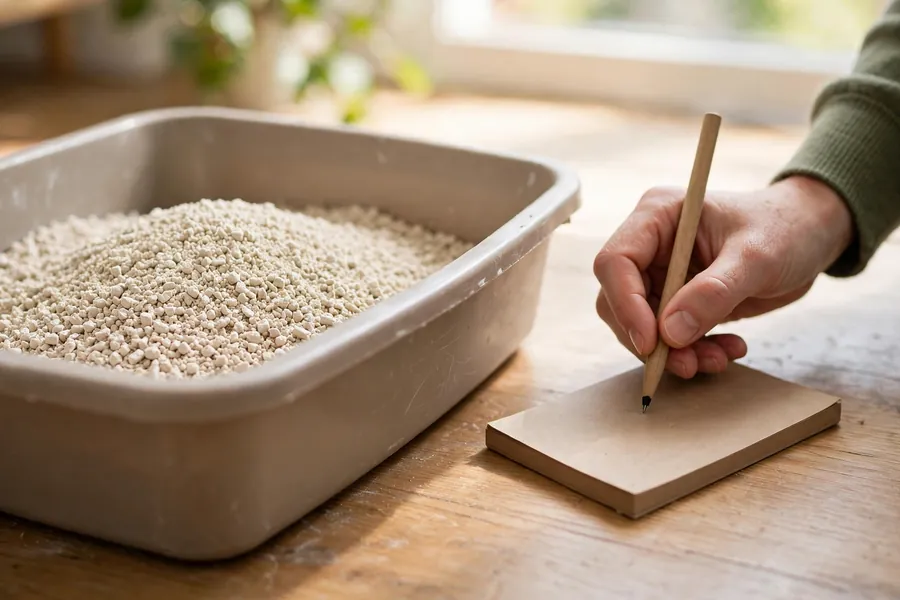
Stool color and consistency can offer clues about what is going on — though they never replace a vet’s diagnosis. Use this table as a rough guide:
| Stool appearance | What it may indicate | When to see a vet |
|---|---|---|
| Yellow | Food moving through the gut too quickly; possibly a liver or gallbladder issue | If it lasts more than 24–48 hours or comes with other symptoms |
| Green | Eating grass or plants, rapid transit, or a gallbladder issue | If it persists, or if your cat is also vomiting or lethargic |
| Black / tarry | Digested blood — possibly bleeding in the upper digestive tract | Promptly — this is always worth a vet call |
| Bloody / red streaks | Possible irritation, colitis, parasites, or straining in the lower bowel | If more than a tiny streak, recurring, or with other warning signs |
| White / gray | Possible lack of bile reaching the gut — liver or pancreas concern | See your vet — this color is unusual and worth checking |
| Watery | Many possible causes; the main risk is dehydration | If it lasts over 24–48 hours, or sooner for kittens and seniors |
Signs to Watch For
A single soft stool in an otherwise happy, playful, eating-and-drinking cat is usually not an emergency. Watch for these companions to diarrhea:
- Blood or mucus in the stool — small streaks can come from straining, but larger amounts or dark, tarry stool need a vet check.
- Vomiting alongside diarrhea — losing fluids from both ends raises dehydration risk quickly. If your cat is throwing up too, this guide on why cats vomit and what owners can do may help while you decide whether to call the vet.
- Loss of appetite or refusing water — a cat that stops eating for more than a day, or stops drinking, needs veterinary attention.
- Lethargy or hiding — a cat that suddenly sleeps far more than usual may be feeling quite unwell.
- Dehydration signs — dry gums, sunken eyes, or skin that stays “tented” when gently pinched at the shoulders.
- Weight loss — gradual slimming alongside intermittent diarrhea can hint at a chronic issue.
- Accidents outside the box — your cat may be associating the litter box with discomfort rather than misbehaving. This guide to common litter box problems and their solutions can help you tell the difference.
Keep a simple log: when it started, how often it happens, what the stool looks like, recent diet, and any other symptoms. Your vet will find this useful.
Home Care Basics: What You Can Do
If your cat is otherwise acting normal — eating, drinking, playing — and the diarrhea is mild and short-lived, a few gentle steps at home while you monitor may help.
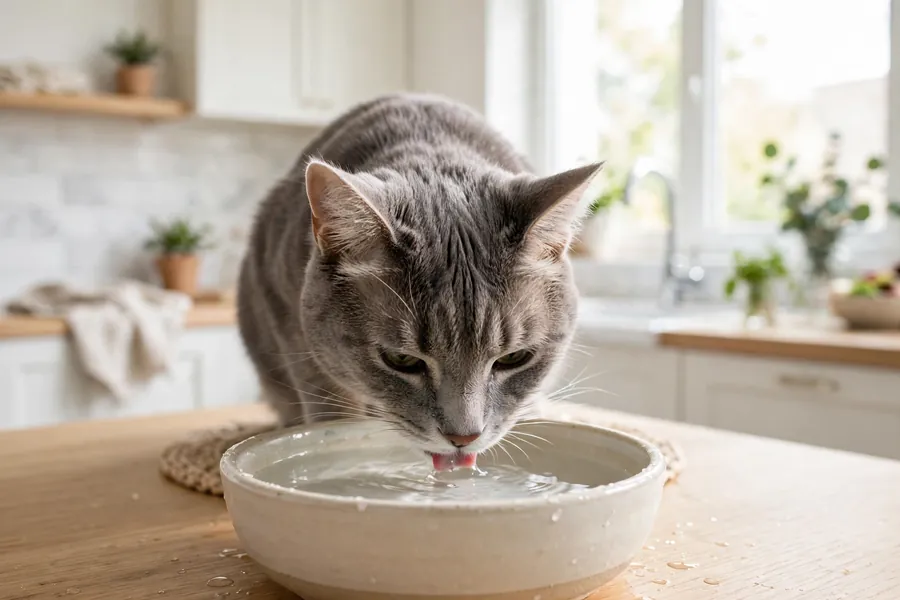
Keep water freely available. Diarrhea causes fluid loss, so make sure fresh water is always within easy reach. Wet food also adds moisture to the diet, which can help.
Do not withhold food for long stretches. A short pause of a few hours is fine if your cat seems nauseous, but cats should not go long without eating — more than a day or two without food can trigger a serious liver problem called hepatic lipidosis, especially in overweight cats.
Offer small, bland, easy meals. If your cat will eat, offer small portions of something gentle: their regular food in smaller amounts, or plain boiled chicken breast (no skin, no seasoning) with a little plain cooked white rice. Small and frequent beats one big meal.
Return to the normal diet slowly. Once stools start firming up, transition back to the regular food gradually over several days.
Keep the litter box extra clean. Scoop more often than usual — a clean box encourages your cat to keep using it, and lets you monitor the stool for changes.
Reduce stress where you can. If a stressful event triggered the episode, give your cat quiet time, familiar routines, and safe spaces to retreat to.
Monitor closely for 24 to 48 hours. If the diarrhea improves and your cat stays bright and hydrated, you are likely in the clear. If it does not improve or any warning sign appears, call your vet.
Food-Related Triggers: A Closer Look
Diet plays such a large role in feline digestive upsets that it deserves its own section. Here are the triggers owners run into most often:
Too-fast diet transitions. Switch foods gradually: days 1–2, 25% new mixed with 75% old; days 3–4, half and half; days 5–6, 75% new; day 7 onward, all new. Go even slower for sensitive stomachs.
Rich or fatty treats and table scraps. Greasy leftovers can overwhelm a cat’s digestion. Some human foods are outright dangerous to cats — notably onions, garlic, and chocolate. (Grapes and raisins are confirmed dangerous for dogs; the evidence in cats is limited, but keep them away from cats too as a precaution.) See the ASPCA’s list of people foods to avoid feeding your pets.
Dairy products. Most adult cats are lactose intolerant — milk, cream, and ice cream commonly cause diarrhea. For a milky treat, look for lactose-free cat milk from a pet store.
Spoiled food. Wet food left out for hours can grow bacteria. Discard uneaten wet food after 30–60 minutes at room temperature, and refrigerate opened cans.
Sudden treat overload. New treats, too many treats, or treats very different from the main diet can loosen stools. Introduce any new treat one at a time and in small amounts.
If you notice a pattern — diarrhea that reliably follows a certain food or treat — write it down. A food diary is very helpful at a vet appointment.
Diarrhea in Kittens
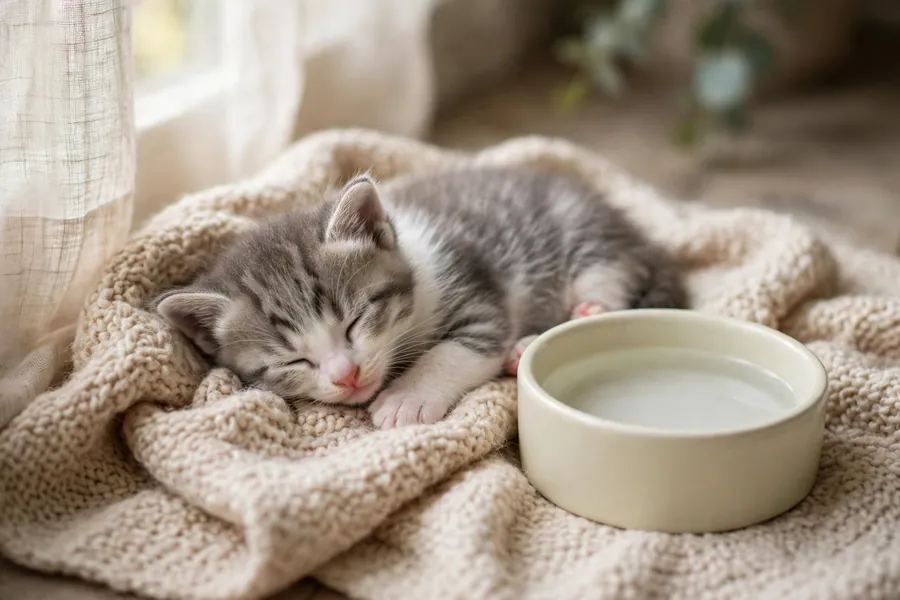
Kittens deserve extra caution. Their small bodies dehydrate much faster than an adult cat’s, so what looks like a mild episode can become serious quickly. Parasites such as coccidia and giardia are especially common in kittens — the Merck Veterinary Manual notes that coccidia infections most often cause illness in kittens, particularly around the stress of weaning. (Merck Veterinary Manual – protozoal digestive disorders in cats)
Contact your vet promptly if a kitten under 12 weeks has diarrhea — do not wait the full 48 hours you might allow for a healthy adult cat. Keep the kitten warm, offer water frequently, and bring a fresh stool sample to the appointment if you can.
How Long Does Cat Diarrhea Last?
Mild diarrhea from a minor upset — a too-fast food change, a stressful day, a bit of something odd eaten — often resolves within 24 to 48 hours with simple home care. Both Cornell and VCA advise seeking veterinary care if diarrhea persists beyond a day or two, or sooner if your cat shows any warning signs such as vomiting, lethargy, loss of appetite, or blood in the stool. (Cornell; VCA Animal Hospitals)
Diarrhea that keeps coming back after seeming to resolve also deserves a vet visit — recurring episodes can point to parasites, food sensitivities, or a chronic condition that needs proper testing.
What NOT to Do
When your cat has diarrhea, it is natural to want to fix it fast. But some well-meaning actions can make things worse:
- Do not give human medications. Imodium, Pepto-Bismol, ibuprofen, acetaminophen, and aspirin can all be dangerous or fatal to cats. Never dose your cat from your own medicine cabinet, and never use another pet’s leftover prescription — a drug that was safe for a different cat at a different time may not be safe now.
- Do not fast your cat for a full day or longer. Short pauses are fine; long ones are risky for cats.
- Do not switch foods repeatedly trying to “find one that works.” Rapid-fire diet changes will only irritate the gut further. Pick one approach and give it time, ideally under your vet’s guidance.
- Do not ignore red-flag symptoms. Waiting a week while your cat has bloody diarrhea, is vomiting, or has stopped eating can turn a treatable problem into an emergency.
- Do not punish litter box accidents. Your cat is not doing it on purpose — it may simply not reach the box in time. Clean up calmly and focus on the underlying issue.
- Do not rely on internet diagnosis. Guides like this are for understanding and first steps only — your cat’s situation needs a vet who can examine them.
When to See a Vet
Contact your veterinarian promptly — or visit an emergency clinic — if you notice any of the following:
- Diarrhea lasting more than 24–48 hours without improvement
- Blood in the stool (more than a tiny streak) or black, tarry stools
- Vomiting that will not stop, or vomiting plus diarrhea together
- Refusal to eat for more than 24 hours, or refusal to drink
- Dehydration signs: dry gums, sunken eyes, skin tenting, very little urination
- Lethargy, weakness, or hiding that is out of character
- Fever, rapid breathing, or obvious pain (crying, hunched posture, sensitive belly)
- A kitten under 12 weeks, a frail senior, or a cat with a known chronic illness
- Suspected poisoning: your cat may have eaten a toxic plant, chemical, or medication
- Worms or worm-like segments visible in the stool
When you go, bring your observation log and, if possible, a fresh stool sample in a sealed bag — many clinics can run a quick fecal test on the spot. Also bring a list of everything your cat eats, including treats. There is no shame in calling “too early” — vets would far rather hear from you about mild diarrhea than meet your cat in crisis three days later.
Frequently Asked Questions
Can I give my cat Imodium for diarrhea?
No — not without your vet’s explicit direction. Human anti-diarrhea medicines can be dangerous for cats, and masking the symptom can delay diagnosis of the real cause. Always call your vet before giving any medicine.
Is it safe to give my cat pumpkin for diarrhea?
Plain canned pumpkin (100% pumpkin, not pie filling) is widely considered a gentle home remedy for mild digestive upset — its soluble fiber can help absorb excess water in the gut. A teaspoon or two mixed into food once or twice a day is a typical amount. It is a supportive measure, not a cure — if the diarrhea persists, see your vet.
Should I change my cat’s food if diarrhea keeps happening?
Not on your own, and not suddenly. Recurring diarrhea deserves a vet visit first, because the cause might be parasites, an infection, or a medical condition that no food change will fix. If your vet suspects a food sensitivity, they will guide you through a proper elimination diet trial.
Can stress really cause diarrhea in cats?
Yes. The gut and the brain are closely connected, and cats are sensitive to changes in their environment and routine. Moves, new household members, travel, loud noises, and even a change in your schedule can trigger digestive upset in some cats. If the diarrhea lines up with a stressful event and your cat is otherwise well, calming the environment and keeping routines steady often helps.
When is cat diarrhea an emergency?
Treat it as urgent if your cat is also vomiting repeatedly, has bloody or black stools, refuses food and water, shows dehydration signs, is very lethargic or in pain, is a very young kitten or frail senior, or may have eaten something toxic. In those cases, contact your vet or an emergency clinic right away.
Keep Reading
- Why Does My Cat Keep Throwing Up? Causes and What to Do
- Cat Litter Box Problems? 10 Solutions That Actually Work
- Indoor Cat Enrichment Ideas: 15 Simple Ways to Keep Your Cat Happy and Active
A Final Word
Finding diarrhea in the litter box is never pleasant, but most of the time it is your cat’s digestive system reacting to something temporary — and with careful monitoring, bland food, plenty of water, and a calm environment, it passes. The key is knowing the difference between a mild, short-lived episode and the warning signs that mean your cat needs professional help.
You know your cat best — if something feels off, trust your instinct and call your vet. Most cats bounce back from digestive upsets quickly with attentive care.