
Halloween brings out everyone’s playful side — and for cat lovers, the temptation to dress a fluffy companion in a tiny pumpkin costume or bat-wing cape is almost irresistible. But here’s the thing most cat owners learn the hard way: cats did not sign up for this. Unlike dogs, most cats find costumes confusing, uncomfortable, or downright frightening. That doesn’t mean you can’t enjoy a festive Halloween with your cat — it just means approaching it the right way, with your cat’s comfort front and center.
This guide shows you how to do it without the stress: choosing a comfortable costume, introducing it gradually, reading body language, getting great photos, and trying stress-free alternatives that still deliver that adorable holiday picture.
Choosing a Safe and Comfortable Costume
The costume you pick is the single biggest factor in whether your cat will tolerate wearing it. A little thought here goes a long way.
Comfort Comes First
Look for costumes made of soft, lightweight fabric that doesn’t restrict movement — your cat needs to walk and sit normally while wearing it. If a costume is stiff or heavy, your cat will likely freeze in place or try to fight it off, both signs of serious stress.
Choose costumes designed for cats rather than small dogs — dog costumes are cut for a different body shape and can pull uncomfortably around a cat’s shoulders and neck. A good fit means you can slide two fingers between the fabric and your cat’s body anywhere it makes contact.
Avoid Small Parts and Loose Bits
Inspect every costume before it goes near your cat. Dangling pieces, loose ribbons, buttons, beads, or pom-poms are choking hazards or things your cat might chew off and swallow. Tug decorative elements gently — if they come loose with a little pull, they won’t survive your cat.
Skip anything covering your cat’s face, eyes, or ears. Cats rely on vision and hearing to feel secure, and covering those senses can cause instant panic. Avoid masks entirely, and be cautious with hats — they should sit loosely and come off easily.
Keep It Simple
The most successful cat costumes are the simplest: a soft cape with a single easy-release strap, a lightweight bib-style costume, or a cozy sleeveless onesie. Fewer straps and attachments mean less to annoy your cat — and faster removal if things go wrong. If this is your first time, start simple; you can try something fancier next year.
Introduce the Costume Gradually
Never surprise your cat with a full costume on Halloween night. The secret to a stress-free experience is gradual introduction over several days.
Let Your Cat Investigate First
Start by placing the costume on the floor or couch where your cat likes to hang out. Let them sniff it, rub against it, or ignore it. Leaving it out for a day or two lets it pick up familiar home smells, and placing a treat on or near it builds a neutral or positive association before it ever goes on their body.
Try It On in Stages
Once your cat seems comfortable around the costume, try putting on just part of it — drape a cape over their back without fastening it, for example. Reward calm behavior with treats. Keep first try-ons to a minute or two, then remove the costume before your cat shows stress. Gradually increase wearing time over several days. If your cat stays relaxed, you’re on track. If they freeze, hide, or wriggle to escape, you’ve gone too fast — slow down.
Do a Dress Rehearsal
Get your cat comfortably wearing the costume for 10–15 minutes at a time at least a day or two before Halloween. This rehearsal reveals fit problems — too tight around the neck, slipping, rubbing — while there’s still time to fix them.
Reading Your Cat’s Stress Signals
Even with perfect preparation, some cats simply won’t enjoy a costume — the most important skill is recognizing when your cat has had enough.
Signs of Mild Discomfort
Watch for these early stress signals — they’re your cue to remove the costume:
- Flattened or pinned-back ears — a classic sign of anxiety
- Tail flicking or lashing — irritation is building
- Freezing in place — a cat that suddenly won’t move is often overwhelmed
- Excessive lip-licking or grooming — a common nervous response
- Walking low to the ground — trying to escape the costume rather than walking normally
- Shaking the head or body — trying to get the costume off
Take the costume off calmly and give your cat space. Don’t push through hoping they’ll adjust.
Signs of Serious Stress
If your cat hides and refuses to come out, hisses or growls, shows dilated pupils with a tense body, pants, or aggressively bites at the costume, the costume experiment is over. Respecting that boundary is part of being a good pet owner, and the stress-free alternatives below let you celebrate without upsetting your cat.
Know Your Individual Cat
Bold, curious, adaptable cats are the most likely to tolerate a costume. Cautious, sensitive, or easily startled cats much less so. If your cat hides from visitors, dislikes being picked up, or startles at small changes, a costume probably won’t be their idea of a good time.
Photo Tips: Getting That Perfect Shot
One of the main reasons we dress up our cats is for the photos — and a calm, relaxed cat makes a far better photo than a stressed one.
Keep Sessions Short
Keep sessions to 5–10 minutes. Have everything ready before the costume goes on: phone charged, good lighting, treats in your pocket. Get your shots quickly, then remove the costume — half an hour of “just one more photo” is how fun turns into stress.
Use Natural Light and a Familiar Setting
Photograph your cat where they feel at home — their favorite sunny spot or usual couch, next to a simple Halloween decoration. Natural light near a window looks best and avoids the startling camera flash. Simple backgrounds work well: a pumpkin or fall-colored blanket is festive without being chaotic.
Let Them Be Themselves
Some of the cutest Halloween cat photos are candid — a cat in a pumpkin costume looking unimpressed, a kitten in bat wings mid-yawn. Don’t force poses. Let your cat sit, lie down, or move naturally and snap away, offering treats between shots to keep the session positive.
Stress-Free Alternatives That Still Look Adorable
Here’s what experienced cat owners know: you don’t need a full costume to get festive. Some of the cutest Halloween looks are simple accessories your cat will barely notice.
Themed Bandanas
A lightweight Halloween-themed bandana — pumpkin prints, ghosts, or simple orange-and-black — tied loosely around the neck is the easiest costume upgrade there is. Most cats barely register a bandana after the first minute, especially if they’ve worn collars before. Tie it loosely enough to slide two fingers underneath, and never leave it on unsupervised.
Festive Collars
Swap your cat’s regular collar for a Halloween-themed one — little pumpkins, bats, or autumn colors look festive with zero extra stress, because your cat already wears a collar. Always use a breakaway collar, which releases if it catches on something.
Bow Ties
A small bow tie clipped onto your cat’s existing collar adds a dapper Halloween touch without changing how anything feels on their body. Keep it small and lightweight.
Costume-Free Photoshoots
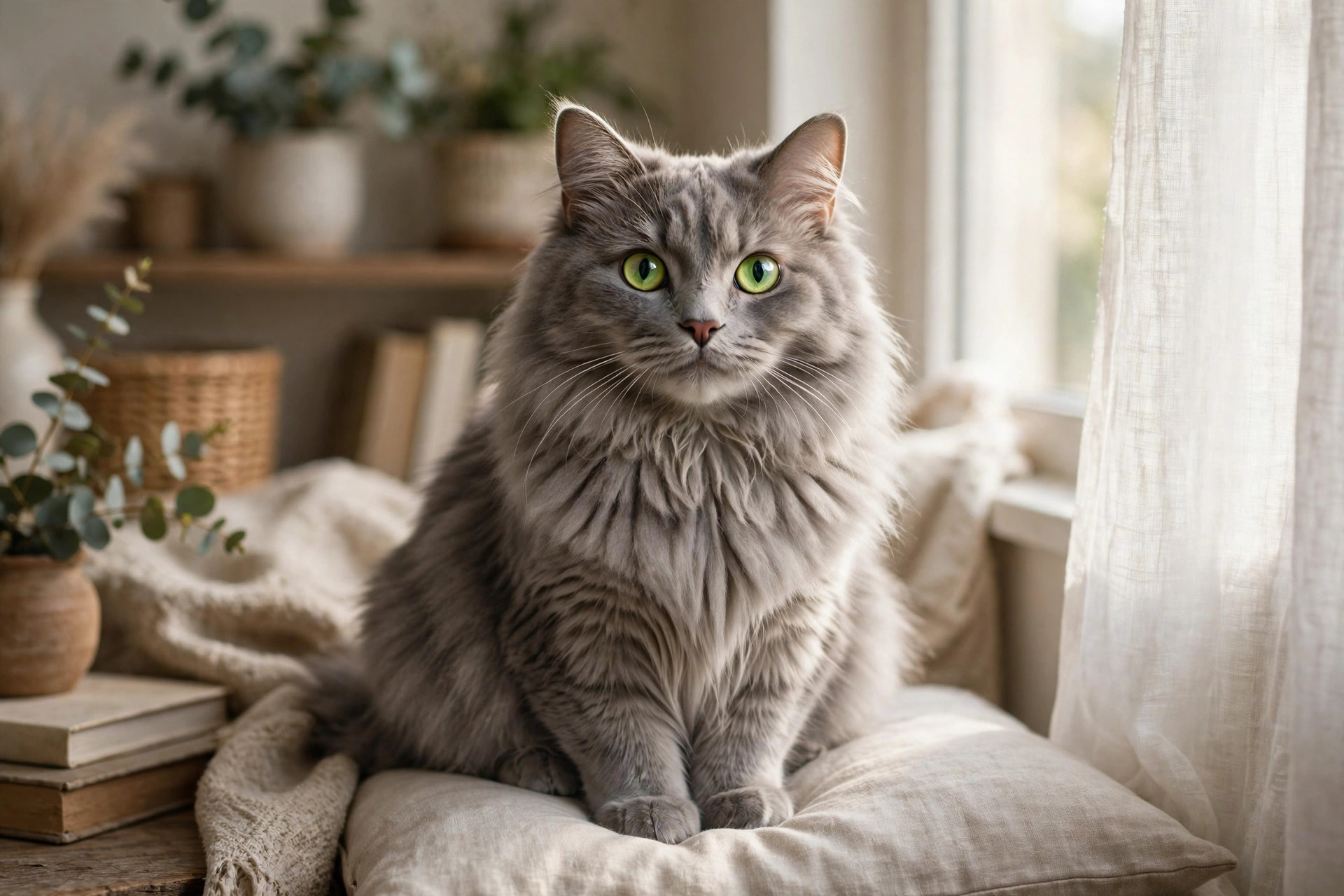
You can get wonderful Halloween photos without putting anything on your cat: pose them next to a carved pumpkin, in a pile of autumn leaves, or beside Halloween decorations. A happy, relaxed cat in a festive setting makes a far better photo than a stressed cat in an elaborate costume.
What NOT to Do
Knowing what to avoid is just as important as knowing what to try:
- Never force a costume on a terrified cat. If your cat hisses, bites, hides, or shows serious stress, stop immediately. Forcing it damages their trust and creates lasting anxiety around handling.
- Never leave a cat unsupervised in a costume. Costumes can catch on furniture and straps can strangle. The costume comes off the moment you’re not actively watching.
- Avoid small parts, ribbons, and dangling decorations your cat could chew off and swallow — choking hazards or causes of intestinal blockage.
- Don’t cover your cat’s eyes, ears, or nose. Masks and tight hoods block the senses your cat relies on and can trigger instant panic.
- Don’t use human Halloween makeup, paint, or hair dye on your cat. Many contain ingredients toxic to cats, and your cat will lick them off.
- Don’t make the costume too tight. Tight elastic or straps that restrict breathing or movement are dangerous. Two fingers of slack everywhere, always.
- Don’t keep the costume on long. Even a comfortable costume should be worn 15 to 30 minutes at most, with breaks between.
- Don’t dress up a sick, injured, elderly, or highly anxious cat. Their wellbeing comes first — skip the costume entirely.
- Don’t forget about the rest of Halloween night. Doorbells, strangers, and noise can stress cats even without a costume. Keep your cat in a quiet room away from the front door during trick-or-treating, and review these Halloween safety tips for cats before the big night.
When to See a Vet
Most cats bounce back quickly once a costume comes off, but watch for signs that suggest more than momentary annoyance. This is general guidance only — not a diagnosis — and your vet is the right person to call if you’re worried.
If your cat seems unsettled long after the costume is off — hiding for hours, refusing food, acting withdrawn or unusually aggressive — these could be possible signs the experience was more stressful than it appeared. Stress-related changes like altered litter box habits or over-grooming can also appear after a frightening experience. New fabrics or dyes can also irritate a cat’s skin — possible signs include redness, itching, or scratching where the costume sat. Contact your vet if you notice these.
Contact your vet if unusual behavior lasts more than 24 hours after the costume is removed, you see skin redness, itching, or swelling, your cat may have swallowed part of a costume, your cat panted heavily or seemed overheated and doesn’t settle quickly, or you simply feel something isn’t right. Never try to diagnose or treat these issues yourself, and never give your cat medication without veterinary guidance.
Frequently Asked Questions
Is it cruel to dress up a cat for Halloween?
It depends on the cat and how you do it. If your cat is relaxed and showing no stress signals in a simple, well-fitted costume worn briefly, most would call that harmless fun. It becomes a problem when a cat is clearly frightened and the owner pushes ahead anyway. Put your cat’s comfort above the photo — if in doubt, go with a bandana or skip the costume.
How long can my cat wear a costume?
Keep it short — 15 to 30 minutes at a time is plenty, with the costume removed between sessions. Even tolerant cats can get warm, itchy, or restless in a costume too long. Watch for stress signals throughout and remove it at the first sign of discomfort.
My cat freezes when I put the costume on. Is that normal?
Freezing is a common stress response — your cat shutting down because they feel overwhelmed. While some cats relax after a minute, a cat that goes rigid, refuses to walk, or falls over is telling you they’re not comfortable. If gentle encouragement and treats don’t help within a minute, take the costume off and try a simpler alternative. Repeated freezing means the costume approach isn’t working for your cat.
What age should a kitten be before wearing a costume?
Very young kittens are still learning about the world, and a stressful new experience isn’t ideal during early socialization. Most experts suggest waiting until a kitten is at least 4–6 months old and well-settled at home before introducing a costume — and even then, keep it extremely simple and brief. Senior cats with arthritis, sensitive skin, or anxiety deserve extra caution too. When in doubt, ask your vet.
Are there cats that should never wear costumes?
Yes. Cats with respiratory issues, skin conditions, or injuries should skip costumes entirely, as should very anxious cats and those recovering from illness or surgery. For these cats, celebrate differently: a themed photoshoot in a cozy setting, special treats, or extra playtime.
Conclusion
Dressing up your cat for Halloween can be delightful — or stressful. The difference comes down to preparation, patience, and listening to your cat: choose a simple, comfortable costume, introduce it gradually, watch for stress signals, and keep photo sessions short. And if your cat makes it clear costumes aren’t their thing, that’s fine — a festive bandana, a themed collar, or a cozy autumn photoshoot delivers all the Halloween spirit with none of the stress.
The best Halloween memories with your cat happen when you’re both having fun. Put your cat’s comfort first, respect their boundaries, and you’ll have a holiday worth remembering. Happy Halloween!