
A piece of tomato slips off the cutting board, and your dog is there in half a second, tail wagging. You freeze. Is this safe, or is it one of those foods that sends you to the vet?
The short answer: yes, dogs can eat tomatoes, but only ripe red tomatoes, only the soft flesh, and only in small amounts. Green tomatoes, stems, leaves, and vines are a different story. They contain natural compounds that can upset your dog’s stomach and, in larger amounts, cause more serious problems.
The Short Answer: Ripe Yes, Green No
A fully ripe red tomato is generally safe for most healthy adult dogs as an occasional treat. The flesh is low in calories and has water, fiber, vitamin C, vitamin A, potassium, and lycopene, the antioxidant that makes tomatoes red.
Green, unripe tomatoes are different. So are the stem, leaves, and vines. They hold higher levels of two natural compounds, solanine and tomatine. Tomatoes belong to the nightshade family, and these compounds are the plant’s defense against insects and animals. In small amounts they may cause only a mild stomach upset. In larger amounts they can cause vomiting, diarrhea, drooling, weakness, confusion, and in rare cases tremors or a slow heart rate.
The rule is simple: red flesh only, green parts never.
Ripe vs. Green Tomatoes
When a tomato is still green and hard, it holds much more tomatine in the fruit, leaves, and stems. As it turns red, soft, and juicy, the tomatine in the flesh drops sharply. That is why a ripe red tomato is treated so differently from a green one.
A ripe tomato is fully red all the way through, soft when pressed gently, and sweet-smelling. If you cut it open and the inside is still green or pale, or the flesh is hard and sour, it is not fully ripe. Do not give that piece to your dog.
Cherry and grape tomatoes follow the same rule. A ripe red cherry tomato is fine in a small amount, but a green one is not. Size changes the serving, not the safety rule.
What Are Solanine and Tomatine?
Solanine and tomatine are natural compounds in nightshade plants, which include tomatoes, potatoes, eggplants, and peppers. Plants make them as a defense, and they are most concentrated in the green, unripe, and leafy parts.
For dogs, a large amount may cause drooling, stomach pain, vomiting, diarrhea, loss of appetite, weakness, and confusion. More serious signs, such as tremors, a slow heart rate, or trouble walking, are uncommon. They are usually linked to eating a lot of green plant material, not to one small piece of ripe tomato flesh.
The Health Benefits of Ripe Tomatoes
A ripe tomato can be a healthy little snack when served the right way. It is not a superfood your dog needs every day, and it should never replace balanced dog food, but it has some nice qualities.
Tomatoes are mostly water, so they are hydrating and low in calories. A few small pieces add variety without many calories, which helps if you are watching your dog’s weight. They contain vitamin C for the immune system, vitamin A for healthy eyes and skin, potassium for muscles and nerves, and fiber for digestion in small amounts. They also contain lycopene, a natural antioxidant that helps protect cells from everyday damage.
How Much Tomato Can a Dog Eat?
Even a safe food can upset a stomach if a dog eats too much at once. The best guide is the 10 percent treat rule: all treats together should make up no more than 10 percent of your dog’s daily calories.
For ripe red tomato flesh, offered a few times a week at most, never every day:
- Small dogs (under 20 pounds / 9 kg): one or two small pieces, about the size of your thumbnail, or half a cherry tomato, cut into small pieces.
- Medium dogs (20 to 50 pounds / 9 to 23 kg): two to four small pieces, or one small cherry tomato, cut in half.
- Large dogs (over 50 pounds / 23 kg): a few small pieces, or one to two cherry tomatoes, cut in half.
Start with a very small amount the first time. Wait 24 hours and watch for soft stools, gas, or vomiting. If your dog seems fine, you can offer a small amount again another day. If your dog shows any discomfort, stop offering tomatoes and talk to your vet if the signs continue.
How to Serve Tomatoes Safely
Pick a fully ripe red tomato: soft, red all the way through, and free of mold or rotten spots. If it is green, hard, or partly green, do not use it. Wash it well under clean running water to remove dirt and garden or store sprays.
Cut away the stem, the small green star-shaped top, and any leaves. Do not let your dog eat these parts. Cut the flesh into small pieces that fit your dog’s size. For cherry tomatoes, cut them in half or into quarters and remove any hard core. Offer the pieces plain, with nothing added: no salt, no oil, no dressing, no seasoning.
You can also mix a few small pieces into regular food as a topper, or freeze small pieces in summer for a cool snack. If your dog does not like tomatoes, that is fine. Never force a new food. There are many other safe options, such as carrots or cucumbers, which many dogs enjoy as crunchy, low-calorie treats.
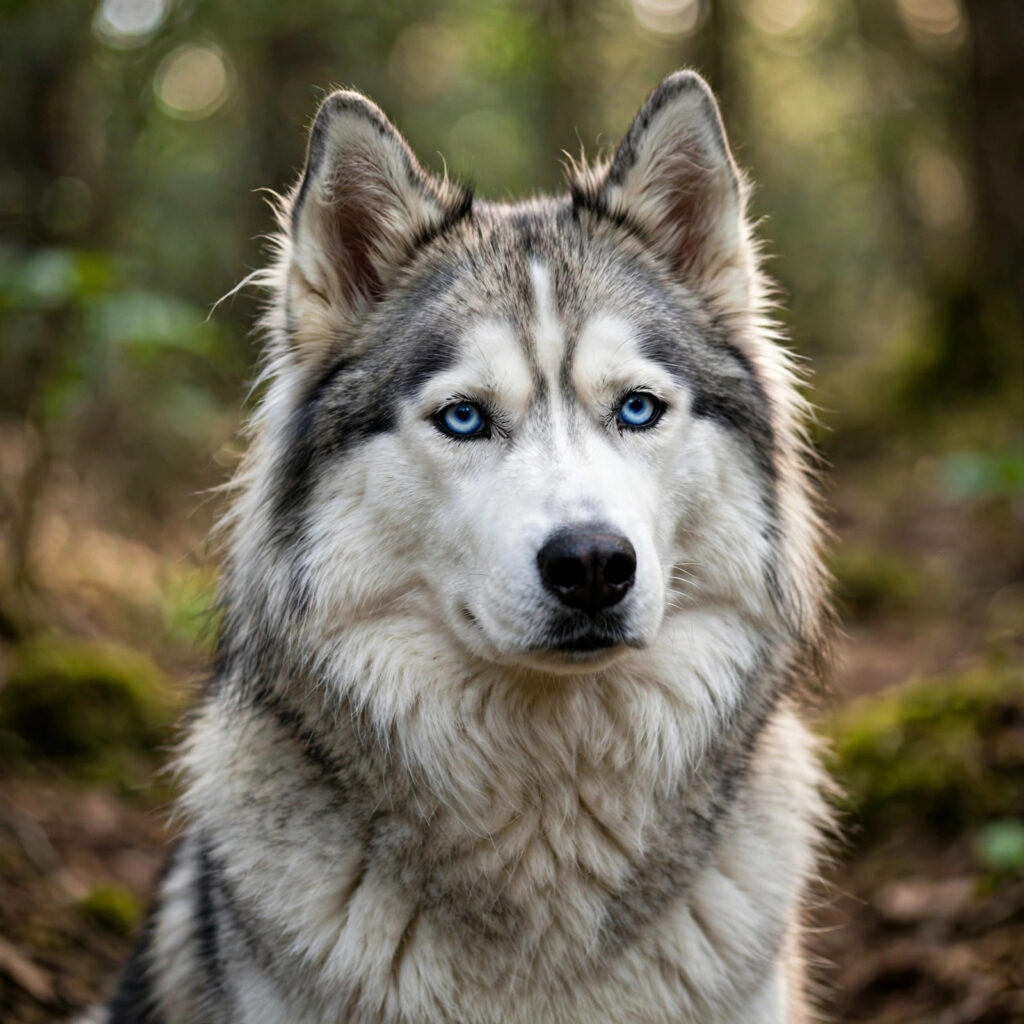
Tomato Sauce, Ketchup, Soup, and Salsa: Why These Are Not Safe
A fresh ripe tomato is fine in small amounts, but tomato sauce, ketchup, tomato soup, salsa, and pizza sauce are not the same thing. They often contain ingredients that are unsafe for dogs, so keep them away from your dog completely.
Many sauces and soups contain onion and garlic, which can be harmful to dogs even in small amounts. They can damage red blood cells and cause weakness and pale gums. Sauces also often hold a lot of salt, sugar, spices, chili, and preservatives that upset a dog’s stomach.
Ketchup is usually high in salt and sugar, and some sugar-free ketchups contain xylitol, a sweetener that is very toxic to dogs. Even a small amount of xylitol can cause a dangerous drop in blood sugar and liver problems.
The rule is easy: if the tomato has become a sauce, soup, or condiment, do not share it. Only plain, fresh, ripe tomato flesh is suitable, and only in small amounts. If your dog licks a tiny drop of sauce by accident, stay calm, watch for stomach upset, and call your vet if the sauce contained onion, garlic, or xylitol.
Cherry Tomatoes and the Choking Risk
Cherry tomatoes are sweet and small, and dogs often love them. But their round shape makes them a choking risk, especially for small dogs, puppies, and dogs that gulp food without chewing. Never give your dog a whole cherry tomato. Always cut it in half, or into quarters for small dogs. This simple step removes most of the risk. The same rule applies to grape tomatoes and other small round fruits.
Dogs and Tomato Plants in the Garden
If you grow tomatoes at home, your garden needs a little dog-proofing. The whole green plant is the problem: stems, leaves, vines, and unripe green fruit. A dog that chews a tomato plant may swallow a large amount of tomatine and solanine in a short time. Puppies and small dogs face higher risk, because even a small amount is a bigger dose for a small body.
Fence off the tomato bed with a simple low fence or garden border. Pick up fallen fruit each day, since green tomatoes on the ground are easy for a dog to find. Train a solid “leave it” cue, one of the most useful skills a dog can learn. Supervise garden time, especially when plants are young and the fruit is still green. If your dog likes to chew plants, offer safe chew toys or a patch of dog-friendly grass instead.
What NOT to Do
- Do not feed green or unripe tomatoes, including green cherry tomatoes and any tomato still hard and pale inside.
- Do not let your dog eat the stem, leaves, or vines. They hold the highest levels of tomatine and solanine.
- Do not share tomato sauce, ketchup, soup, salsa, or pizza sauce. They often contain onion, garlic, salt, sugar, chili, or xylitol.
- Do not give a whole cherry tomato to a small dog. Always cut small round fruits in half or quarters.
- Do not offer tomatoes every day or in large amounts. Stick to the 10 percent treat rule, a few times a week at most.
- Do not give tomatoes to a dog with a known tomato allergy or a sensitive stomach without checking with your vet first.
- Do not try to treat a sick dog with tomatoes or any home remedy. If your dog is unwell, call your vet.
When to See a Vet
Most dogs that eat a small piece of ripe tomato will be completely fine. But call your vet or an animal poison line promptly if your dog has eaten a large amount of green tomatoes, stems, leaves, or vines, or tomato sauce or ketchup that may contain onion, garlic, or xylitol. Do not wait for signs to appear.
Also call your vet if you notice any of these possible signs after your dog has eaten tomato or tomato plant material: drooling more than usual, vomiting or retching, diarrhea or very soft stools, stomach pain or a hunched posture, loss of appetite or refusing water, weakness or trouble walking, confusion or unusual drowsiness, tremors or muscle twitching, or a very slow heart rate or collapse.
These signs do not automatically mean your dog has been poisoned, and some can have many possible causes. But they are reasons to get professional advice quickly, especially if they appear within a few hours of eating tomato plant material.
Do not try to make your dog vomit at home unless your vet tells you to, since this can make things worse. Do not give milk, oil, or any home remedy to “soak up” the problem. Keep your dog calm and comfortable, and follow your vet’s instructions.
Frequently Asked Questions
Can dogs eat raw tomatoes?
Yes, dogs can eat raw ripe red tomatoes in small amounts. The tomato should be fully ripe, washed, and cut into small pieces, with the stem and green parts removed.
Can dogs eat cooked tomatoes?
Plain cooked ripe tomatoes without salt, oil, onion, or garlic are generally safe in small amounts, but there is no real benefit to cooking them for your dog. Never offer cooked tomatoes prepared with onion, garlic, butter, salt, or spices.
Can puppies eat tomatoes?
It is best to wait until a puppy is older and their digestive system is more settled before offering new foods like tomatoes. Puppies have sensitive stomachs, and even a small new food can cause an upset.
Are tomatoes good for dogs?
Ripe tomatoes can be a healthy occasional treat because they are low in calories and contain water, fiber, vitamin C, vitamin A, and potassium. But they are not essential, and your dog can be perfectly healthy without them. Other safe options, such as broccoli and green beans, are also good choices if your dog enjoys crunchy vegetables.
Can dogs eat tomato seeds?
The seeds inside a ripe red tomato are generally not a problem in the small amounts found in a few pieces of tomato. You do not need to remove every seed. The bigger concern is the green parts of the plant and the skin of an unripe tomato, not the seeds of a ripe one.
A Final Word for Tomato-Loving Dogs
Tomatoes sit right on the line between safe and unsafe, and the difference comes down to ripeness, the part of the plant, and the portion size. Ripe red flesh in a small amount is a fine treat for most healthy adult dogs. Green tomatoes, stems, leaves, vines, and all those tasty-looking sauces are not.
If your dog loves tomatoes, keep sharing them the safe way. Pick a fully ripe red tomato, wash it, remove the stem and green parts, cut it into small pieces, and offer a few pieces as an occasional treat. Keep the garden fenced off, keep the ketchup bottle out of reach, and know the warning signs so you can act fast if your dog ever gets into the green plant.