
So you brought home a furry friend, and now someone — maybe a friend, maybe a grooming bill — told you that dogs need regular grooming. The idea might feel a little scary. Bathing a wiggly puppy? Trimming tiny nails without nicking them? Cleaning ears? Do not worry. Grooming your dog at home is much easier than it looks, and with a few simple basics, you can do it confidently.
The truth is, grooming is not just about looks. Regular brushing, baths, nail trims, and ear checks keep your dog comfortable and help you spot small problems early — a lump, a sore paw, or red skin — before they become big ones. And once your dog gets used to it, grooming time becomes a calm, bonding routine. Let’s walk through it step by step.
1. Start Slow and Make Grooming Fun
The biggest beginner mistake is trying to do everything on day one. If this is your dog’s first time, introduce each tool separately. Let your dog sniff the brush, the nail clippers, and the towel. Touch them gently with each tool, give a treat and praise, and stop before your dog gets upset.
Short, happy sessions beat long, stressful ones every time. Five calm minutes is better than thirty tense ones. This is especially important with puppies, who are learning how the world works — pair grooming with treats, and your puppy will start to look forward to it. Grooming also teaches handling skills that help with other parts of training; a puppy that happily accepts touch is easier to manage during potty training and daily care, too.
Tip: Pick a quiet time when your dog is already calm — after a walk, not right before dinner or during playtime.
2. Brush Regularly — It Matters More Than You Think
Brushing is the single most important grooming habit, and the easiest to start. Regular brushing removes loose hair, prevents painful mats and tangles, spreads your dog’s natural skin oils for a healthy shine, and lets you feel for lumps, ticks, or sore spots.
How often you brush depends on the coat: short coats (beagles, pugs) need once a week with a soft bristle or rubber brush; medium coats (golden retrievers) need 2–3 times a week with a slicker brush; long or curly coats (poodles, shih tzus) need daily brushing since they mat fast.
Always brush in the direction the hair grows, gently. If you hit a tangle, do not yank. Hold the hair at the base (near the skin) and work the tangle loose with a comb, starting from the ends. For stubborn mats, use a detangling spray and a mat splitter — cutting a mat out with scissors is risky because skin can hide inside the mat.
Tip: Make brushing a mini health check. Run your hands over your dog’s whole body and note anything new: lumps, scratches, flaky patches, or areas your dog flinches away from. Noticing early signs is one of the best ways to catch problems early — learn the common signs your dog is sick or in pain so you know what to watch for.
3. Bathe Your Dog the Right Way (Not Too Often)
Many beginners bathe their dog far too often. Most dogs only need a bath every 4–6 weeks, unless they roll in something smelly or get very dirty. Over-bathing strips the natural oils from the skin and causes dryness and itching.
When bath time comes, follow these steps:
- Brush first. Water tightens mats and makes tangles worse, so brush out loose hair and tangles before the bath.
- Use lukewarm water. Too hot or too cold is uncomfortable. Test it on the inside of your wrist.
- Use a dog shampoo — never human shampoo. Human shampoos have the wrong pH for dog skin and can cause irritation. A gentle, soap-free dog shampoo is best.
- Lather and rinse thoroughly. Work the shampoo through the coat, avoiding the eyes and inner ears. Then rinse and rinse again — leftover shampoo is a common cause of itchy, flaky skin after baths.
- Dry well. Towel dry, then let your dog shake (outside is ideal). You can use a blow dryer on the lowest heat setting held at a distance — never hot air close to the skin. Let the coat dry fully to avoid that damp-dog smell and skin irritation.
For a deeper look at schedules, shampoos, and drying for different coat types, check our complete guide to dog bathing.
Tip: Put a rubber mat in the tub so your dog does not slip, and place cotton balls loosely in the ears to keep water out (remove them after).
4. Trim Nails Without Fear
Nail trimming scares more beginners than anything else, but it is a skill you can learn quickly. Long nails change the way your dog walks, cause pain, and can snag and break. If you can hear your dog’s nails clicking on hard floors, they are due for a trim.
The beginner method: get a guillotine or scissor-style clipper (or a nail grinder, which files nails down slowly and reduces the risk of cutting too short). On light nails, the quick — the blood vessel inside — shows as a pink line; on dark nails, trim tiny slivers at a time and stop when you see a gray or pink oval in the center of the cut surface. Trim just the tip at a 45-degree angle, and take off less than you think you need — you can always trim more next week. Keep styptic powder nearby; if you nick the quick, it bleeds a lot but is not dangerous, and the powder stops it in seconds.
If you are nervous, ask your vet or a groomer to show you once, or have them trim while you watch. One supervised practice round is usually all it takes to feel confident.
Tip: Trim one or two nails per day at first instead of all at once. Treats after each nail turn the whole thing into a game.
5. Clean Ears Gently and Check Often
Ear cleaning is quick and easy, and it helps prevent ear infections — especially in dogs with floppy ears or dogs that swim. Check ears weekly: healthy ears are pink and clean with no strong smell.
Soak a cotton ball with a vet-approved ear cleaning solution (never pour water into the ear canal), gently wipe the visible parts of the inner ear flap and the opening of the canal, let your dog shake, then wipe away loosened debris. Never push cotton swabs deep into the ear canal — you can damage the eardrum.
Watch for warning signs: scratching at the ears, head shaking, redness, swelling, a yeasty or strong odor, or dark brown or yellow discharge. These can be signs of an ear infection or ear mites, and they mean it is time to call the vet rather than trying to treat it yourself.
6. Care for the Paws
Paws take a beating — hot pavement in summer, cold sidewalks and ice in winter, rough trails all year. After walks, give paws a quick wipe with a damp cloth to remove dirt, salt, and chemicals. Check between the toes for burrs, thorns, or small cuts.
Keep the hair between the paw pads trimmed short so your dog does not slip on smooth floors, and check the pads themselves for cracks or dryness. A little dog-safe paw balm can help in dry weather. If your dog chews or licks its paws a lot, that could signal irritation or itching — our guide on itchy dog paws covers safe ways to soothe them and when to dig deeper.
Tip: After a bath or grooming session, a quick paw check is easy since your dog is already calm and in your hands.
7. Do Not Forget the Teeth
Dental care is the grooming step most beginners skip, and it matters a lot. By age three, most dogs show some sign of dental disease, which can cause pain and even affect the heart and kidneys over time.
Use a soft dog toothbrush and dog toothpaste (never human toothpaste — it can be toxic to dogs). Let your dog taste the toothpaste first, then brush the outer surfaces of the teeth in small circles, aiming for a few times a week. Dental chews help but are not a full replacement for brushing. Bad breath that does not improve, red or bleeding gums, or loose teeth are signs to see the vet.
8. Get the Right Beginner Toolkit
You do not need a professional salon setup. A simple beginner kit covers everything: a brush suited to your dog’s coat, a wide-tooth comb, gentle dog shampoo, nail clippers or a grinder plus styptic powder, ear cleaning solution and cotton balls, a dog toothbrush and dog toothpaste, towels, a non-slip mat, and treats — the most important tool of all.
Buy quality tools once rather than cheap ones twice. A dull clipper crushes nails instead of cutting cleanly, and a harsh brush scratches skin. Good tools make the job faster, safer, and more pleasant for your dog.
9. Set a Simple Grooming Schedule
Grooming feels overwhelming when it is random. Put it on a simple schedule and it becomes automatic: daily quick brush for long coats and a paw wipe after walks; weekly brush-out, ear check, and teeth brushing; monthly bath (if needed), nail trim, and a full-body hands-on check for lumps and skin changes; and in spring and fall shedding seasons, brush daily.
A calm routine also helps with behavior. Dogs that are handled regularly and gently are usually calmer during vet visits too. And if your dog is vocal or restless during grooming sessions, the same calm-handling ideas that help with puppy barking can help here — short sessions, rewards, and patience.
10. Know Your Limits — Groomers Are Your Friends
Grooming at home does not mean you can never visit a professional. Some jobs are genuinely better done by a groomer: full haircuts for breeds like poodles and schnauzers, severe mats that are tight against the skin, anal gland expression, or any dog that panics badly during grooming.
There is no shame in mixing both. Many owners do brushing, baths, and nails at home and visit a groomer every couple of months for a haircut and a tidy-up. Your vet clinic can also trim nails during regular checkups if you ask.
What NOT to Do
Even with the best intentions, a few common mistakes can hurt your dog or make grooming miserable:
- Do not use human shampoo, conditioner, or soap on your dog. The pH is wrong for dog skin and can cause dryness and irritation.
- Do not cut mats out with scissors. Skin often pulls up inside a mat, and one wrong snip causes a painful cut. Use a mat splitter or see a groomer.
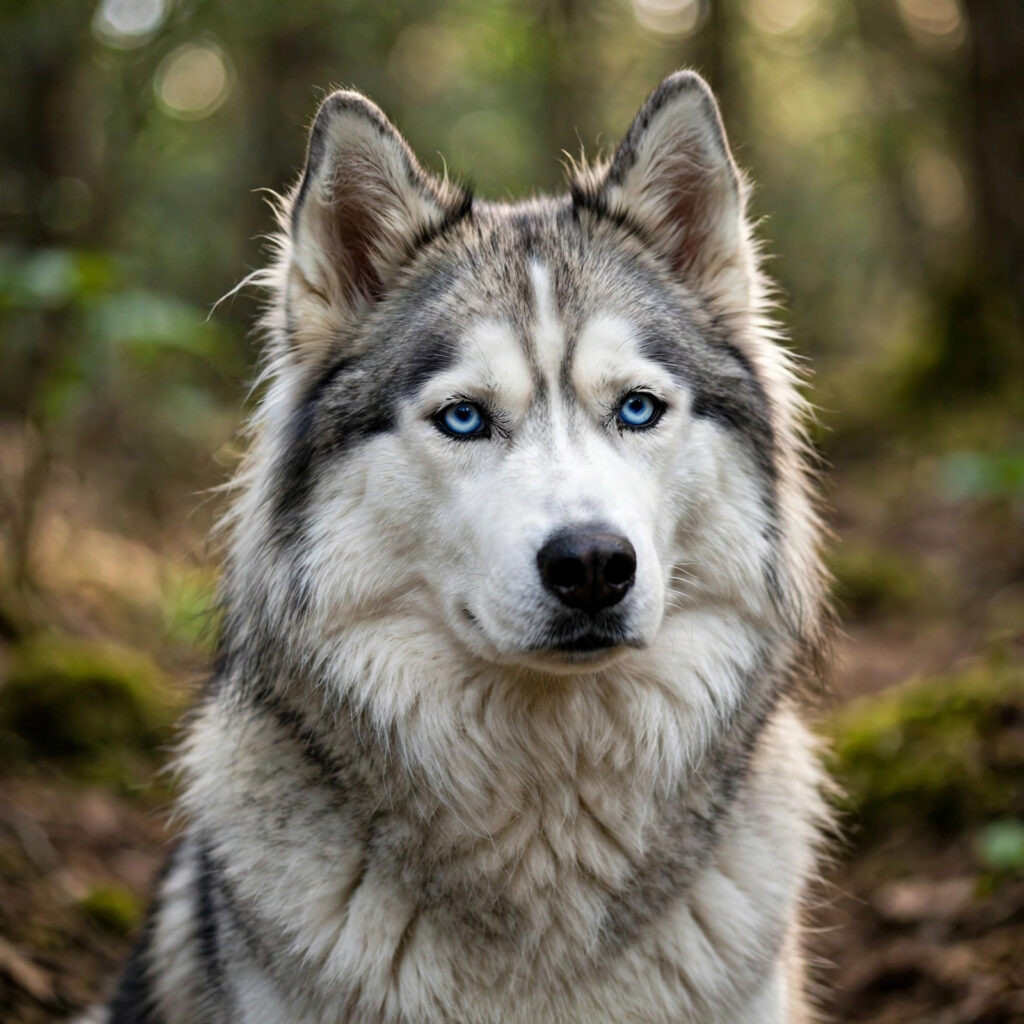
- Do not shave a double-coated dog. Breeds like huskies and golden retrievers have coats that regulate temperature; shaving can ruin the coat and cause sunburn.
- Do not force grooming on a scared dog. Wrestling a panicked dog teaches it to fear grooming forever. Go back to short, treat-filled sessions.
- Do not ignore the quick. Cutting nails too short repeatedly makes dogs dread nail trims. Trim small amounts often instead.
- Do not bathe too often. Weekly baths dry out most dogs’ skin. Every 4–6 weeks is plenty unless your vet says otherwise.
- Do not stick cotton swabs deep into the ears. You can rupture the eardrum. Clean only what you can see.
- Do not use human toothpaste on your dog. Ingredients like xylitol and fluoride are toxic to dogs. Use dog toothpaste only.
When to See a Vet
Grooming is a great way to notice health changes early. Book a vet visit if you notice any of these during grooming:
- Lumps or bumps that are new, growing, or changing shape
- Red, flaky, smelly, or itchy skin; hot spots; or bald patches
- Ears that are red, swollen, smelly, or have discharge
- Eyes with unusual discharge, cloudiness, or redness
- Nails that are brittle, splitting, or bleeding without trimming
- Gums that bleed, bad breath that will not go away, or loose teeth
- Your dog suddenly flinches, yelps, or snaps when touched somewhere — a possible sign of pain
You do not need to diagnose anything yourself. Just notice, note what you see, and let the vet figure it out. That is exactly what grooming time is for.
Frequently Asked Questions
How often should I groom my dog at home?
Brush weekly to daily depending on the coat, clean ears and brush teeth a few times per week, trim nails about once a month, and bathe every 4–6 weeks or when dirty.
Can I use baby shampoo on my dog?
It is not recommended. Even gentle human and baby shampoos have a different pH than dog skin needs. Use a shampoo made specifically for dogs — they are inexpensive and much safer for your pup’s skin.
My dog hates being groomed. What should I do?
Go slower. Break grooming into tiny steps, reward every step with treats, and end each session before your dog gets upset. Most dogs that “hate” grooming were rushed through it. Rebuilding trust takes a week or two of short, happy sessions — and it works.
Should I groom my puppy differently?
Puppies need the same basics but in shorter, gentler sessions. Start handling paws, ears, and mouths early so your puppy grows up comfortable with it. Keep baths rare for very young puppies, and always use warm water, gentle products, and lots of praise.
Is professional grooming still necessary if I groom at home?
For many dogs, yes — at least sometimes. Home grooming covers brushing, baths, nails, ears, and teeth. Professional groomers are best for breed-specific haircuts, severe matting, and anything you are not confident doing safely. Mixing both is the smartest approach.
Conclusion
Grooming your dog at home is not about being perfect — it is about being consistent. Brush a little, bathe when needed, keep nails short, check ears and teeth, and watch for changes. Your dog will look great, feel comfortable, and trust you more with every calm session.
Start with one thing this week — maybe a five-minute brushing session with treats. Next week, add ear checks. Before you know it, you will have a simple routine that keeps your pup healthy and happy, and you will wonder why it ever felt intimidating. Happy grooming!