
So you’ve got one wonderful cat, and the thought keeps creeping in: should I get another one? Maybe you picture two cats curled up together, or you feel guilty leaving your cat alone during long workdays. Maybe a shelter kitten just melted your heart.
Getting a second cat can be one of the best decisions you ever make — or one of the most stressful. It depends on your cat’s personality, your home, and how carefully you handle the introduction. Here’s the honest breakdown: pros and cons, costs, how to pick the right companion, and a step-by-step introduction plan.
The Pros of Having Two Cats
Built-in companionship
Cats may look independent, but many genuinely enjoy feline company. Two cats can play, groom each other, and nap side by side — social contact humans can’t fully provide. If you work long hours, your first cat won’t be alone in an empty house all day.
Young, playful cats benefit most. A single young cat with no playmate often channels energy into mischief — like pouncing on your feet at 3 a.m. A companion gives them a healthy outlet, and many owners find those early-morning wake-up attacks calm down with a daytime wrestling buddy around.
More entertainment — for them and you
Two cats playing together is one of life’s great free shows. They invent games, chase each other down the hallway, and develop funny routines you’ll love. A confident cat can also help a shy newcomer settle in faster.
It can ease loneliness
Some cats get stressed when their owner is away — excessive meowing or not eating are possible signs. A second cat isn’t a guaranteed fix, but a bonded pair often handles alone time better than a solo cat, and many owners say their cats seem calmer overall.
You’re saving another life
Simple but powerful: adopting a second cat gives another shelter cat a loving home. Shelters are full of wonderful adult cats overlooked in favor of kittens.
The Cons and Challenges
Your cats might not get along
This is the biggest risk. Some cats — especially older cats who’ve been the only pet for years — genuinely prefer being solo. Forcing incompatible cats together can cause chronic stress, fighting, litter box avoidance, and spraying. Failed introductions are a common reason cats are returned to shelters. Expect weeks or months for acceptance — rarely, it never fully works.
Double the daily work
Litter boxes, feeding, grooming, playtime — everything doubles. You’ll need an extra litter box beyond the number of cats (one per cat plus one extra): more scooping, more litter, more floor space used.
More vet bills
Routine vet care roughly doubles: two sets of vaccinations, two annual exams, two dental procedures over their lifetimes. Pet insurance doubles too. Budget realistically first.
Space matters
Two cats need more territory than one. In a very small apartment, a second cat can create tension with nowhere to retreat. Each cat needs safe spots, separate feeding stations, and multiple litter box locations — make sure your home can hold the extra gear.
Travel gets trickier
Pet sitter visits take longer, boarding costs double, and if one cat needs medication or a special diet, managing two routines adds complexity when someone else cares for them.
The Real Cost of Two Cats
Rough annual estimates per cat (costs vary by region):
- Food: $300–$600 per year (choosing the right wet food matters even more when feeding two)
- Litter: $150–$250 per year
- Routine vet care: $200–$400 per year (exams, vaccines, flea prevention)
- Extras: $100–$200 (toys, treats, scratchers)
For two cats, expect roughly $1,500–$2,800 per year ongoing, not counting emergencies — one emergency visit can run $500–$2,000+. An emergency fund or pet insurance matters even more with two.
One-time setup costs: adoption fee ($50–$200, often covering spay/neuter and first vaccines), an extra litter box, a carrier, food bowls, and maybe a second cat tree or scratcher.
Choosing the Right Second Cat
Picking the right match matters more than anything else. A thoughtful choice prevents most problems later.
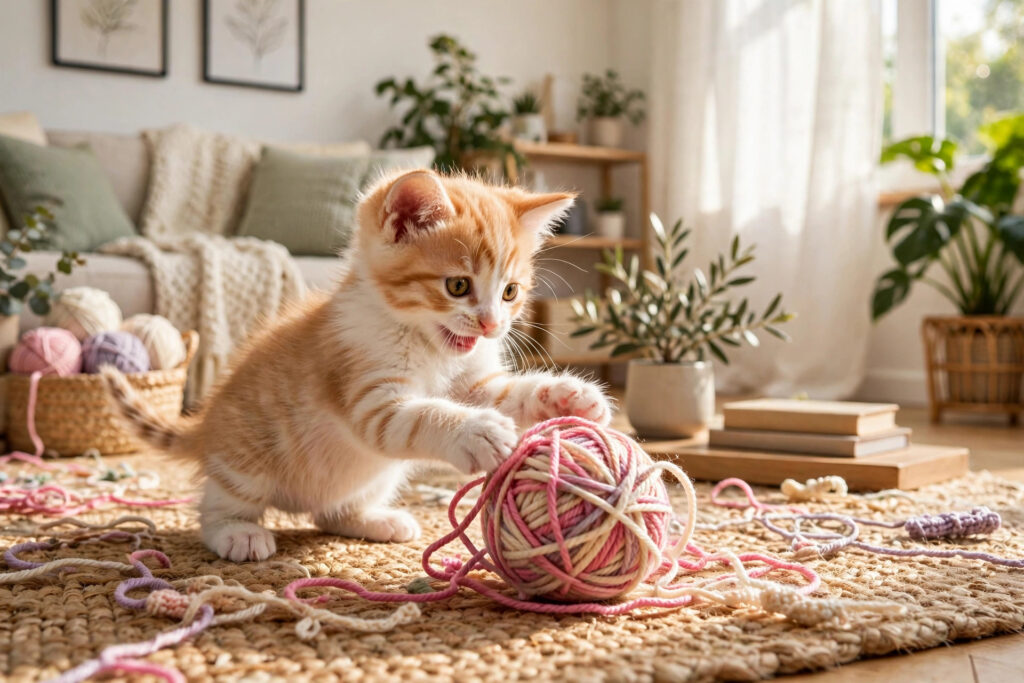
Match energy levels and age
The golden rule: pair cats with similar energy and age. A bouncy kitten will drive a calm 12-year-old up the wall. Two young cats play for hours; two seniors nap in companionable silence. Quick guide:
- Kitten + kitten: excellent — they grow up bonded
- Young adult + young adult (1–4): usually great
- Kitten + middle-aged cat: works if the older cat is playful
- Any cat + senior: tricky — seniors often prefer peace
Consider the opposite sex
Male-female pairs tend to get along with slightly less friction, though plenty of same-sex pairs do beautifully. Personality matters far more than gender — a tiebreaker, not a rule.
Look for a social history
Ask the shelter: has this cat lived with other cats before? Those raised with littermates or in multi-cat homes adjust faster. One surrendered for “not getting along with the other cat” might be a poor candidate — or just a bad match, so ask for details.
Be honest about your current cat
Confident, playful, social with visitors? Great candidate for a buddy. Fearful, territorial, or aggressive toward other animals? A second cat may cause serious stress. When in doubt, ask your vet about your cat’s temperament first.
Consider a bonded pair
Many shelters have bonded pairs adopted together. These cats already love each other, so you skip the entire introduction process — one of the sweetest deals in pet adoption.
How to Introduce Your Cats: Step by Step
Never just place the new cat in the living room and hope for the best. A slow, structured introduction decides whether two cats become friends — plan for 2–4 weeks minimum.
Step 1: Set up a separate safe room
Before the new cat arrives, prepare one room with everything they need: litter box, food, water, scratching post, hiding spots, toys. This is the newcomer’s territory for now; your resident cat keeps the rest.
Step 2: Swap scents first
For the first few days, keep the cats separate. Rub a cloth on one cat’s cheeks and place it near the other’s food bowl, linking the new smell with good things. Briefly swap rooms so each explores the other’s scent without meeting.
Step 3: Feed on opposite sides of the door
Place both food bowls on either side of the closed safe-room door. They’ll smell and hear each other while eating, building a positive association. If either cat hisses or won’t eat, move the bowls farther from the door and retry tomorrow.
Step 4: Supervised visual contact
Once both cats eat calmly near the door, crack it open or use a baby gate for visual contact. Keep sessions to 5–10 minutes, ending with treats. Curious sniffing and relaxed posture are good; flattened ears, growling, or hard staring mean slow down.
Step 5: Short supervised meetings
Let the newcomer explore while the resident cat is elsewhere, then allow brief face-to-face time with treats and play as distractions. Lengthen sessions gradually over several days.
Step 6: Full access
When both cats can eat, play, and relax in the same room without tension, leave the safe-room door open and keep monitoring for a week or two. Some hissing is normal — full-on fighting is not, and means you moved too fast.
How long does it take?
Every pair is different. Some cats cuddle within a week; others take two to three months. Don’t rush — a slow introduction that works beats a fast one that breeds hostility.
Practical Tips for a Two-Cat Household
- Litter boxes: one per cat plus one extra, in different spots. Scoop daily.
- Feeding stations: feed in separate spots at first to prevent food guarding and monitor appetites. An automatic feeder keeps mealtimes consistent when you’re away.
- Vertical space: cat trees, shelves, and window perches give each cat territory and escape routes, reducing conflict enormously.
- Separate resources: each cat needs their own water bowl, scratcher, and resting spots. Sharing should be voluntary, not forced.
- Play with both: interactive play (wand toys, feather teasers) burns energy and builds positive associations in the same room.
- Keep routines stable: consistent feeding times help both cats feel secure during the transition.
- Give the resident cat extra attention: their world just changed. Extra petting and play reassure them they’re not being replaced — many cats seek extra closeness, like sleeping on your chest, during stressful times.
What NOT to Do
- Don’t skip the separate-room phase. Even friendly-seeming cats can clash unsupervised, creating grudges that are hard to undo.
- Don’t punish hissing or growling. That’s normal communication, not misbehavior — punishment raises stress and can worsen aggression.
- Don’t force physical contact. Never hold two cats together or push them toward each other. Let every step happen at their pace.
- Don’t introduce during other big changes. A move, a new baby, renovations — one major stressor at a time.
- Don’t assume one litter box is enough. Box guarding is a top cause of house-soiling in multi-cat homes. The extra box is not optional.
- Don’t adopt on impulse. That shelter kitten deserves a planned introduction, not an improvised one. Sleep on it and prepare first.
- Don’t ignore persistent bullying. If one cat keeps blocking the other from food, water, or the litter box, add more resources and space — or get professional advice.
When to See a Vet
Get the new cat a vet checkup within the first week — ideally before any face-to-face contact with your resident cat. This protects both animals.
Health screening for the new cat
- Physical exam: weight, teeth, ears, coat, overall condition.
- FIV and FeLV testing: contagious viruses spread between cats — most vets recommend testing every newcomer before introductions.
- Parasite check: fecal test for worms, plus flea and ear-mite checks. Shelter cats are usually dewormed, but confirm it.
- Vaccination review: confirm core vaccines (FVRCP, rabies) are current, and ask what’s recommended for multi-cat households.
- Spay/neuter confirmation: most shelters handle this, but verify.
Keep them separated until cleared
Until test results are back and your vet gives the all-clear, keep the separate-room setup. This quarantine (usually 1–2 weeks) protects your resident cat from anything contagious the newcomer might silently carry.
Signs to watch during the transition
Stress can cause real health issues. Watch both cats for: not eating for 24+ hours, constant hiding, over-grooming or bald patches, litter box changes, vomiting or diarrhea, sneezing, eye discharge, or lethargy. Anything lasting more than a day or two warrants a vet call — don’t diagnose it yourself.
Update your resident cat too
Make sure your current cat’s vaccinations are current before the newcomer arrives, and mention the addition at their next checkup — your vet may suggest boosters.
Frequently Asked Questions
How do I know if my cat wants a companion?
Look at their behavior. Playful, social cats that seem bored when you’re away are often good candidates. Fearful, territorial cats — or ones hissing at animals through windows — may prefer staying solo. There’s no guaranteed test; honest knowledge of your cat’s personality is the best guide. When in doubt, ask your vet.
Is a kitten or an adult cat better as a second cat?
It depends on your resident cat. Kittens are adaptable and usually accepted more easily, but their energy can exhaust an older or calm cat. An adult with a known mellow personality can suit a relaxed resident better — and adult shelter cats are often overlooked. Match energy first, age second.
Will my cat feel replaced?
Cats don’t think in “replacement” terms, but they notice territory and routine changes. Keep your resident cat’s favorite spots, feeding times, and cuddle routines unchanged, with extra attention during the transition. Most adjust within weeks.
How many litter boxes do I need for two cats?
Three — one per cat plus one extra, in different locations. This is what most vets and behaviorists recommend. It prevents guarding and gives both cats options. Scoop daily; with two cats, waste accumulates fast.
What if my cats never become friends?
Give it time — bonding can take months, and many indifferent cats eventually become nap buddies. Some pairs simply tolerate each other, which is fine without bullying, resource-blocking, or chronic stress. With active aggression, persistent fear, or stress-related health issues, talk to your vet or a certified cat behaviorist. In rare severe cases, rehoming to a single-cat home may be kindest — which is why a slow introduction matters so much.
The Bottom Line
Adopting a second cat is wonderful for the right household. With the right match and a patient introduction, two cats bring double the joy, double the purrs, and double the entertainment — but also double the cost, double the scooping, and a real commitment to two independent personalities.
Be honest about your cat’s temperament, space, and budget. Match energy levels. Introduce slowly — weeks, not days. And get that first vet checkup done before the cats ever meet.
Do it right, and months from now you might find two cats curled up together in a sunbeam, wondering why you hesitated. There’s room in your heart for one more — just make sure there’s room in your home.