
You are enjoying a calm evening walk when another dog appears around the corner. Before you can react, your dog’s body locks in, the leash snaps tight, and you are being dragged down the sidewalk.
Sound familiar? Pulling toward other dogs is one of the most common frustrations dog owners face. The good news: your dog is not being stubborn. They are simply overwhelmed by one of the most exciting things in their world — and this behavior is very trainable.
In this guide, you will learn why dogs pull toward other dogs, which gear actually helps, and a step-by-step plan you can start on your very next walk.
Why Do Dogs Pull Toward Other Dogs?
They are social animals. Dogs are wired to be curious about other dogs. Sniffing, greeting, and playing are among the most rewarding experiences a dog can have, and all that excitement pours straight into the leash.
Pulling has worked before. Every time your dog pulls hard and eventually greets the other dog, they learn a lesson: pulling works. Even if greetings only happen sometimes, that “sometimes” keeps the habit strong — like a slot machine keeps people playing.
They never learned another way. If no one ever showed your dog that staying calm near other dogs earns amazing rewards, pulling becomes their default strategy.
Excitement or worry. Most dogs pull from pure excitement, but some pull because they feel nervous — lunging to create space, or straining closer to check whether the other dog is safe.
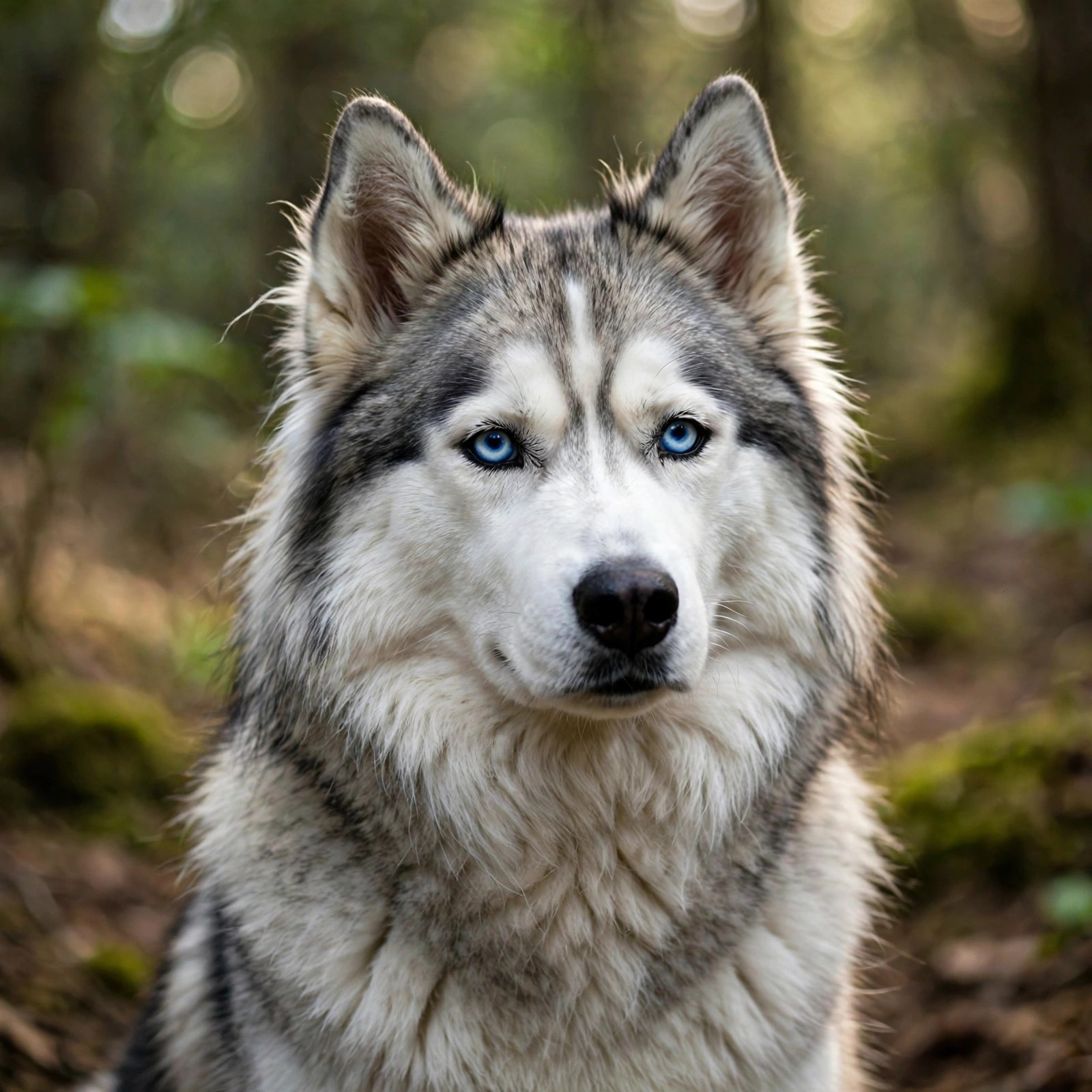
Age and breed. Young dogs are often the worst pullers because everything is new and thrilling. Enthusiastic breeds like retrievers, terriers, and huskies may take a little longer to train, but they absolutely can learn.
What You Will Need Before You Start
- High-value treats — small pieces of chicken, cheese, or soft training treats reserved for training. They must beat the thrill of another dog.
- A well-fitting front-clip harness — the leash attaches at the chest, giving gentle steering without pressure on the neck.
- A 6-foot standard leash — skip retractable leashes, which teach dogs that pulling extends the leash.
- A treat pouch — keeps rewards ready instantly.
- Short sessions — 5 to 10 minutes of focused practice. Tired, overstimulated dogs do not learn well.
If your dog pulls hard in general — not just around other dogs — also read our guide on leash training an adult dog that pulls on walks. Those foundation skills pair perfectly with the training below.
Step 1: Teach Focus at Home First
You cannot teach calm behavior around other dogs if your dog cannot focus on you in a quiet living room. Start where it is easy.
The name game. Say your dog’s name happily. The instant they look at you, say “yes!” and treat. Repeat a dozen times a day. You are building a habit: their name means “check in with my human, good things happen.”
“Watch me.” Hold a treat near your eyes, say “watch me,” and reward eye contact. Gradually stretch the gaze — two seconds, then five, then ten. This becomes your secret weapon on walks.
Reward check-ins. On calm walks with no dogs around, mark and reward every time your dog glances at you on their own. Checking in should become the most profitable habit on the walk.
The “find it” game. Toss a treat into the grass and say “find it!” Later, this redirects excited energy into sniffing instead of lunging.
Practice for a week or two in calm settings. When your dog responds quickly at home and in the yard, move to step 2.
Step 2: Practice at a Safe Distance
Dogs learn best when slightly challenged but still able to think. If your dog is already barking and lunging, they are too close — no learning can happen in reaction mode.
Find the threshold distance. This is the distance where your dog notices another dog but can still respond to you — 50 feet for some dogs, across a whole park for very excited ones. Distance is your best training tool, so start far without shame.
Set up controlled practice. Ask a friend with a calm dog to help. Each time your dog looks at the other dog and glances back at you, mark and reward generously. The lesson: noticing another dog is fine, and checking in pays better than pulling.
Move closer gradually. Over days or weeks — not minutes — slowly shrink the distance. If your dog fixates, whines, or stiffens, you moved too fast. Add distance and retry. Progress is not a straight line.
Master the U-turn. Say your dog’s name, turn cheerfully, and jog a few steps the other way. Reward big when they follow. On real walks, this creates space whenever another dog appears too close, too fast.
Step 3: Handle Real Walks in the Moment
Create space first. The moment you spot another dog, calmly step aside — off the path, across the street, or behind a parked car. More distance means less pressure and better choices from your dog.
Ask for a known behavior. Before your dog locks on, ask for “watch me” or a sit, and reward instantly. You are paying them for the right choice in a hard moment.
Play “find it.” Scatter treats in the grass. Sniffing is naturally calming, and a busy nose cannot lunge at the same time. Perfect while the other dog passes.
Keep the leash loose. Tightening up in anticipation tells your dog “my human is worried too.” A loose leash sends the opposite message. Relax your hands and breathe.
Never let pulling “work.” If your dog drags you to the other dog and the greeting happens, you just paid for pulling. Create distance and reward calmness instead — or allow a brief greeting only after calm behavior, and only if both owners agree.
Step 4: Make Yourself the Best Thing on the Walk
Dogs pull toward other dogs partly because the owner is boring by comparison. Change that equation.
Be unpredictable and fun. Change direction suddenly, jog a few steps, use a silly voice, or start a surprise “find it” game. A dog who thinks “my human might do something fun at any second” keeps an eye on you.
Reward voluntary check-ins heavily. When your dog looks at you unprompted — especially near another dog — throw a party: multiple treats, happy praise, maybe a favorite toy. Make yourself the jackpot.
Add short training bursts. Every few minutes, stop for two or three quick tricks — sit, touch, spin. Playful and rewarding, this keeps your dog’s brain engaged with you instead of drifting toward distractions.
The long-term goal is to teach your dog to walk on a loose leash everywhere, and these attention games are a huge part of getting there.
Choose the Right Gear
Front-clip harness — best for pullers. The chest attachment gently turns a lunging dog back toward you. Steering without pain.
Back-clip harness. Comfortable for calm dogs, but for strong pullers it can encourage pulling, like a sled-dog harness.
Flat collar. Fine for dogs who already walk nicely; not ideal for pullers, since all force lands on the neck.
Head halter. Excellent control for strong dogs, but introduce it slowly with lots of treats — most dogs dislike the sensation at first.
Skip punishment tools. Choke chains, prong collars, and shock collars work through pain. They do not teach your dog what to do instead, and they can increase fear and aggression around other dogs.
What NOT to Do
Do not yank the leash. A sharp jerk may startle your dog into pausing, but it teaches nothing — and can link other dogs with pain, turning excitement into fear or aggression over time.
Do not use punishment-based tools. Choke, prong, and shock collars suppress behavior through discomfort, risking the association “other dogs equal pain.” That is how a friendly puller can become a truly reactive dog.
Do not let pulling win. Every pull that ends in a greeting strengthens the habit. Pulling never earns greetings; calm behavior sometimes does.
Do not flood your dog. Dragging your dog into a packed dog park to “get them used to it” usually backfires — it rehearses the unwanted behavior at full intensity or creates a fearful dog.
Do not yell or scold. Shouting adds tense energy to an already aroused dog. It rarely stops the behavior and often makes it more frantic.
Do not expect overnight results. This skill builds over weeks and months. Celebrate small wins — a looser leash, a quicker check-in, one calm pass — because they compound into a transformed walker.
When to See a Vet
Most pulling is a training matter, not a medical one. But sudden behavior changes can occasionally have health-related roots.
Go if it started suddenly. If your previously calm dog abruptly begins lunging at other dogs, possible causes worth ruling out include pain (joints, ears, mouth), vision or hearing changes, or thyroid imbalances that lower stress tolerance.
Watch for accompanying signs. A vet check is wise with limping, flinching when touched, appetite or energy changes, new sensitivity around the head or body, or any sudden temperament shift.
Ask about a behavior referral. If your vet rules out medical causes but the behavior is intense — growling, snapping, or biting at other dogs — ask for a referral to a certified animal behaviorist.
Never diagnose or treat a medical condition on your own. A quick vet visit ensures your training plan rests on a healthy foundation. If the pulling feels aggressive rather than excited, also read our guide on how to stop a reactive dog from lunging on walks.
Frequently Asked Questions
Why does my dog only pull toward some dogs and not others?
Dogs have preferences. Yours may get extra excited about dogs matching their play style — similar size and energy — or react more to unfamiliar, bouncy, or staring dogs. This selectivity is normal, and the same focus and distance exercises work regardless.
Should I let my dog greet the other dog so they calm down?
Usually no — not as a response to pulling. Greeting a lunging dog rewards the exact behavior you want to stop. Short, calm greetings are fine as an occasional reward after calm behavior. Keep them to three seconds, then cheerfully move on.
How long will it take to stop the pulling?
Many owners see clear improvement within 2 to 4 weeks of daily practice; dogs with a long pulling history may need 2 to 3 months. Every walk is a training session, and everyone in the household should follow the same rules. Expect good days and bad days.
Is it okay to use a head collar or no-pull harness?
Yes, introduced kindly. A front-clip no-pull harness is a great management tool while you train. Head collars need a gradual, treat-filled introduction. Think of them as training wheels: safer walks while your dog learns the real skills.
My dog pulls toward other dogs but is super friendly — is it still a problem?
Yes. Even friendly intentions cause trouble: your lunging dog may terrify a nervous dog or its owner, tangle leashes, or charge a dog that does not want to say hello — which can spark a fight. Teaching calm behavior keeps everyone safe, including your friendly pup.
Conclusion
Your dog is not giving you a hard time — they are having a hard time managing enormous excitement, and they need your help to learn a better way.
The formula is simple: teach focus in calm places first, practice around other dogs at a comfortable distance, reward every good choice generously, and manage real encounters with space and cheerful redirection. Skip the punishment tools, keep sessions short and fun, and celebrate the small wins.
One day — maybe sooner than you think — you will pass another dog, yours will glance at you instead of lunging, and you will both keep walking with a loose leash and light hearts. Happy training!