
Thanksgiving is one of the happiest days of the year for dog owners. The house smells amazing, the table is full, and your dog is watching every single plate with those big, hopeful eyes. If you have ever slipped your pup a piece of turkey under the table, you are definitely not alone.
But here is the thing: the Thanksgiving table is full of foods that are completely fine for humans but risky or even dangerous for dogs. Every year, veterinary emergency clinics see a spike in visits during Thanksgiving weekend — upset stomachs, pancreatitis, and in serious cases, poisoning from foods like onions, garlic, grapes, and xylitol.
Safe in Small Amounts: Foods Your Dog Can Enjoy
Let us start with the good news. There are plenty of classic Thanksgiving foods that are generally considered safe for dogs when served plain and in small portions. Think of these as the “dog plate” options.
Plain Turkey (Boneless, Skinless, Unseasoned)
Yes — plain turkey is generally safe for dogs, and it is usually the highlight of the holiday for them. Serve small pieces of cooked white or dark meat with no bones, no skin, and no seasoning. The meat itself is a good source of lean protein.
The key word here is plain. Thanksgiving turkey is usually brined, buttered, herbed, and seasoned — all of that is too rich for a dog’s stomach. Before the turkey goes on the table, set aside a small portion of the plain meat for your dog.
Plain Sweet Potatoes
Sweet potatoes are a wonderful dog-friendly Thanksgiving food when served plain — baked or boiled with no butter, brown sugar, marshmallows, or spices. They are packed with fiber and vitamins, and most dogs love the taste.
If your table has sweet potato casserole with marshmallows on top, that version is not for your dog. Scoop out some plain sweet potato before the toppings go on.
Plain Pumpkin
Plain canned pumpkin (not pumpkin pie filling) is one of the best human foods you can share with your dog. It is high in fiber, which supports healthy digestion, and most dogs love the taste. A spoonful or two mixed into their dinner is a perfect holiday treat.
Check the label carefully: you want 100% pumpkin with no added sugar, spices, or sweeteners. Pumpkin pie filling is a completely different product and should not be given to dogs.
Plain Green Beans
Green beans are a classic dog-safe vegetable. Serve them plain — steamed, boiled, or raw — with no butter, salt, onions, or mushroom soup. That rules out the traditional green bean casserole, but a handful of plain green beans makes a great low-calorie treat.
Plain Carrots and Peas
Carrots (raw or cooked) and peas are both generally safe for dogs in small amounts, and carrots even have a mild tooth-cleaning benefit when served raw and crunchy.
Plain Mashed Potatoes, Rice, and Bread (Small Amounts)
A spoonful or two of plain mashed potatoes is generally fine — but mashed potatoes almost always contain butter, milk, salt, or garlic, so only share them if they are truly plain. Small amounts of plain white rice or a little piece of plain dinner roll are also generally safe; just make sure the bread has no raisins, garlic, onions, or xylitol. Raw bread dough is extremely dangerous — more on that below.
Cheese (Tiny Amounts)
A small piece of plain cheese is generally safe for most dogs and works well as a holiday treat. Many dogs are lactose intolerant, though, so keep the portion tiny — a pea-sized cube or thin slice. If your dog is sensitive to dairy, skip it.
Apples (No Seeds or Core)
Fresh apple slices (without the seeds, stem, or core) are a safe and healthy treat. Apple seeds contain small amounts of a compound that can release cyanide, so always slice the apple and remove the core first.
Build a Dog-Safe Thanksgiving Plate
Now that you know what is safe, here is how to put it together. Making your dog their own little holiday plate is the best way to include them without risking a midnight vet visit.
- Turkey: a few small pieces of plain boneless, skinless turkey meat
- Veggies: a spoonful of plain sweet potato, some plain green beans, a few carrots
- Fiber boost: a tablespoon of plain canned pumpkin
- Garnish: a few apple slices (no seeds) or a couple of peas
Keep the whole plate small — it should be a treat, not a full replacement meal. Holiday foods are richer than what your dog normally eats, and even safe foods can cause stomach upset in large amounts. Feed your dog their regular dinner as usual, then offer the small holiday plate on the side.
Another tip: feed the dog plate at the same time the family eats. If your dog is happily munching their own special plate, they are much less likely to beg — or to grab something from a guest’s plate that is not safe.
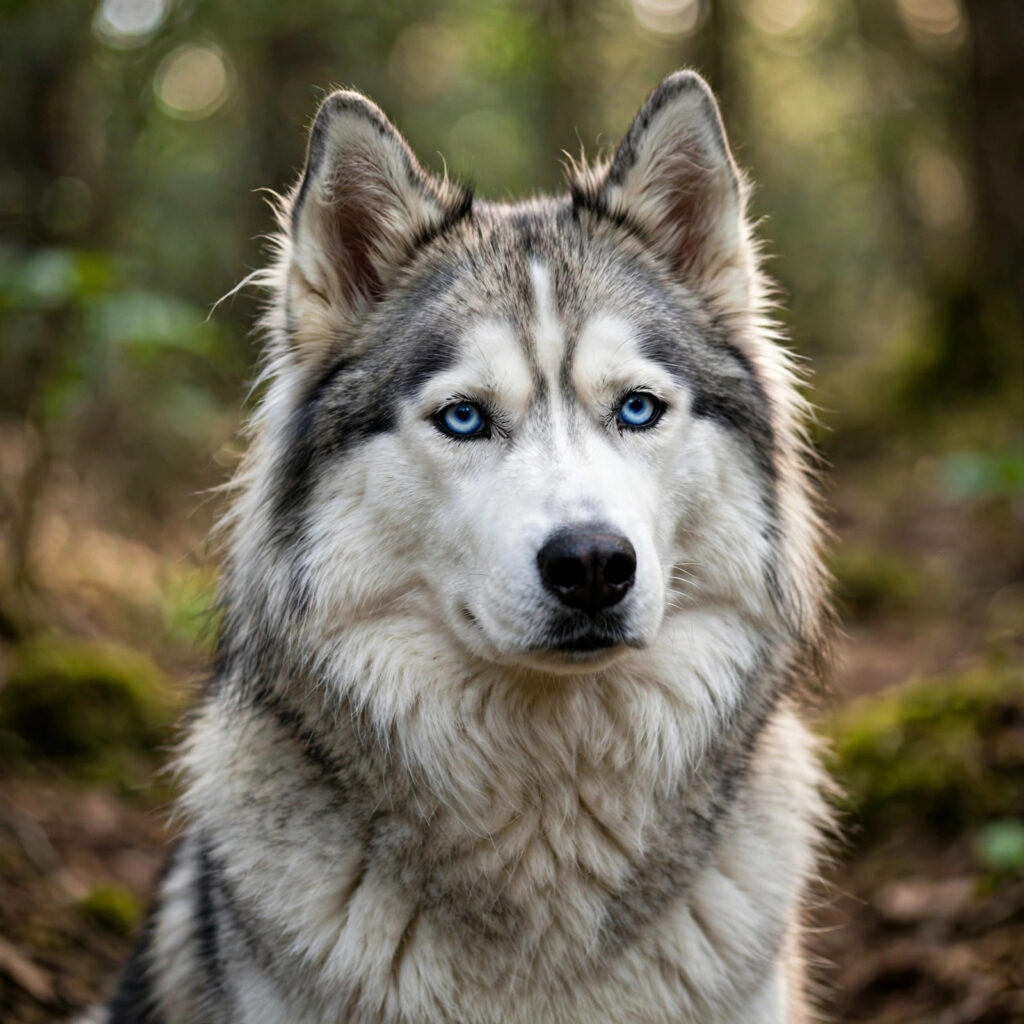
The Danger List: Foods to Keep Away from Your Dog
This is the most important section of the guide. These Thanksgiving foods are risky or dangerous for dogs, and some can cause serious illness.
Turkey Bones, Skin, and Fatty Trimmings
Turkey bones are one of the biggest holiday hazards. Cooked bones can splinter into sharp pieces that may injure the mouth, throat, or digestive tract. Turkey skin and fatty drippings are also dangerous because the high fat content can trigger pancreatitis — a painful and potentially serious inflammation of the pancreas.
What to do: Clear plates into a closed trash can (not left on the counter or table where your dog can reach), and never toss your dog a bone “just this once.”
Onion, Garlic, Leeks, and Chives
These are toxic to dogs. They can damage red blood cells and may cause anemia, and signs might not appear for a few days. This is a big problem at Thanksgiving because onions and garlic are hidden in so many dishes: stuffing, gravy, mashed potatoes, green bean casserole, and turkey seasoning.
What to do: Assume any seasoned dish contains onion or garlic and keep it away from your dog. If you want to share, cook a separate plain portion first.
Grapes and Raisins
Grapes and raisins can cause sudden kidney failure in dogs, and nobody fully knows what the toxic amount is — even a small amount has caused serious problems in some dogs. Raisins show up in stuffing, salads, and desserts at Thanksgiving, so keep an eye out.
Chocolate and Cocoa
Chocolate is toxic to dogs, with dark chocolate and baking cocoa being the most dangerous. Cocoa powder, chocolate desserts, and chocolate chips in holiday baking are all hazards.
Xylitol (Birch Sugar)
Xylitol is a sweetener found in some sugar-free products, peanut butters, and desserts. It can cause a rapid, dangerous drop in blood sugar in dogs and may lead to liver failure. Check labels on any “sugar-free” or “low-sugar” holiday treats. It may also be listed as “birch sugar” or “birch sap.”
Alcohol
Even small amounts of alcohol can be dangerous for dogs — wine, beer, cocktails, and desserts like rum cake or alcohol-soaked fruit. Keep drinks off low tables and clean up spills quickly.
Raw Bread Dough
Raw yeast dough is extremely dangerous. In the warm environment of a dog’s stomach, the dough can continue to rise, causing painful bloating, and the yeast produces alcohol as it ferments. If your dog eats raw dough — during holiday baking — contact your vet immediately.
Rich, Fatty, and Seasoned Leftovers
Beyond the specific toxins above, the general richness of Thanksgiving food is a risk. Gravy, butter-soaked dishes, sausage stuffing, and anything deep-fried can overwhelm a dog’s digestion and may lead to vomiting, diarrhea, or pancreatitis. When in doubt, do not share it.
Thanksgiving Day Safety Tips
A little planning goes a long way. These practical tips will help the whole day go smoothly with your dog.
- Tell your guests the rules. Most holiday accidents happen when a well-meaning guest sneaks the dog a plate of leftovers. A simple “please don’t feed the dog from your plate” works wonders.
- Secure the trash. Turkey carcasses, bones, string, and food-soaked packaging are irresistible to dogs. Use a trash can with a locking lid and take the trash out promptly.
- Watch the kids and the table. Little ones love sharing and may not know the rules. Keep dishes pushed back from low surfaces and never leave plates unattended.
- Give your dog a job. A stuffed Kong, a long-lasting chew, or a puzzle feeder keeps your dog busy during the big meal — and much less interested in counter-surfing.
- Stick to the routine. Keep your dog’s walks and feeding times as normal as possible — routine helps keep holiday stress (and stress-related stomach issues) down.
- Know your vet’s holiday hours. Save your regular vet’s number and the nearest emergency clinic in your phone before the holiday.
What NOT to Do
- Do not give your dog turkey bones, skin, or fatty drippings — bones can splinter and the fat can trigger pancreatitis.
- Do not share seasoned, buttered, or gravy-covered foods — if it is seasoned for the human table, it is too rich for your dog.
- Do not let guests feed the dog from their plates — most holiday accidents come from well-meaning visitors who do not know the rules.
- Do not leave food, trash, or drinks unattended — dogs are fast, and a moment’s distraction is all it takes.
- Do not assume “just a little” of a toxic food is fine — with grapes, xylitol, and chocolate, there is no safe small amount.
- Do not wait and see if your dog eats something dangerous — call your vet or a pet poison hotline right away; early action can make a big difference.
- Do not feed your dog raw bread dough during holiday baking — it can expand in the stomach and is a true emergency.
When to See a Vet
Call your vet or an emergency veterinary clinic if you notice any of the following, especially after your dog may have eaten something from the Thanksgiving table:
- Repeated vomiting or diarrhea
- Refusal to eat or drink
- Lethargy, weakness, or collapse
- Abdominal pain, bloating, or a hunched posture
- Excessive drooling or pawing at the mouth
- Tremors, seizures, or trouble walking
- You know or suspect your dog ate grapes, raisins, chocolate, xylitol, raw dough, or alcohol — even if they seem fine right now
Some signs of trouble, like those from onion or garlic toxicity, can be delayed by a few days. If your dog got into something questionable, it is better to call early and let your vet decide how urgent it is. Keep the packaging or a list of ingredients handy when you call.
This information is for general guidance only and is not a diagnosis or a treatment plan. Every dog is different, and your veterinarian is the best person to advise on your dog’s specific situation.
Frequently Asked Questions
Can dogs eat Thanksgiving turkey?
Yes — plain, boneless, skinless, unseasoned turkey meat is generally considered safe for dogs in small amounts. Set aside a plain portion before the turkey is seasoned or buttered. Never give your dog turkey bones, skin, or fatty trimmings — bones can splinter and the fat may trigger pancreatitis. See our full guide on whether dogs can eat turkey safely.
What Thanksgiving leftovers are safe for dogs?
Small amounts of plain turkey meat, plain sweet potato, plain pumpkin, plain green beans, and plain carrots are generally safe. The key word is plain — leftovers with butter, gravy, onion, garlic, or heavy seasoning are not safe to share.
Can dogs eat sweet potatoes on Thanksgiving?
Yes, plain cooked sweet potatoes (baked or boiled, no butter, sugar, marshmallows, or spices) are generally safe and healthy for dogs. Just avoid sweet potato casserole with toppings. We cover sweet potatoes in detail in our guide to feeding dogs sweet potato safely.
What should I do if my dog ate turkey bones?
Do not try to make your dog vomit unless your vet tells you to. Watch for choking, gagging, drooling, vomiting, abdominal pain, or bloody stool, and call your vet right away. The vet may want to see your dog promptly or may advise monitoring, depending on what was eaten and your dog’s size.
Is cheese okay for dogs as a holiday treat?
A tiny amount of plain cheese is generally safe for most dogs, but many dogs are lactose intolerant, so keep portions very small. Rich or moldy cheeses (like blue cheese) should be avoided. Read more in our guide on how much cheese is okay for dogs.
Thanksgiving is all about togetherness, and your dog is part of the family. With a little planning — a plain portion set aside before the seasoning goes on, guests who know the rules, and a secured trash can — your dog can enjoy the holiday right alongside everyone else, safely and happily. Happy Thanksgiving to you and your four-legged family member!