
Walk into the room and you may find your dog rolled into a tight little ball, nose tucked near its tail and paws folded in close. Owners call it the “donut” position, and it is hard not to smile at it. Your big dog suddenly looks half its size, wrapped up like a cinnamon roll on the rug, the couch, or its bed.
So why does your dog sleep curled up in a ball? In most cases, it is completely normal. Dogs curl up for warmth, comfort, safety, and habit — instincts passed down from their wild ancestors. Many dogs curl up their whole lives without any problem. But a change in how your dog sleeps can sometimes tell you something. A dog that suddenly starts curling up tightly all the time, or cannot get comfortable, may be cold, anxious, or unwell.
This guide explains the real reasons behind the donut position, how you can help your dog sleep better, and the warning signs that mean it is time to talk to your vet.
What the Donut Position Looks Like
In the donut position, a dog curls into a tight circle. The legs tuck in close, the head rests near the tail, and the tail often wraps over the nose like a scarf. The back is rounded and the belly is hidden away.
It is the opposite of the sprawled-out sleeper. A dog stretched out on its side, or flat on its back with its belly in the air, is showing it feels completely safe. A curled-up dog is doing something different: protecting itself, keeping warm, and settling into a small, cozy shape.
Most dogs switch positions during the day and night. Your dog might curl up for an afternoon nap and stretch out on the cool floor in the evening. That is normal — the position often changes with the temperature and how tired or relaxed your dog feels.
1. To Stay Warm
Warmth is the most common reason dogs curl up. Curling up pulls the legs, belly, and paws in close and reduces the body surface exposed to cold air, so less heat escapes. A dog’s normal body temperature is around 101 to 102.5 degrees Fahrenheit, warmer than a human’s, but dogs still feel the cold — especially small dogs, short-haired dogs, puppies, and older dogs.
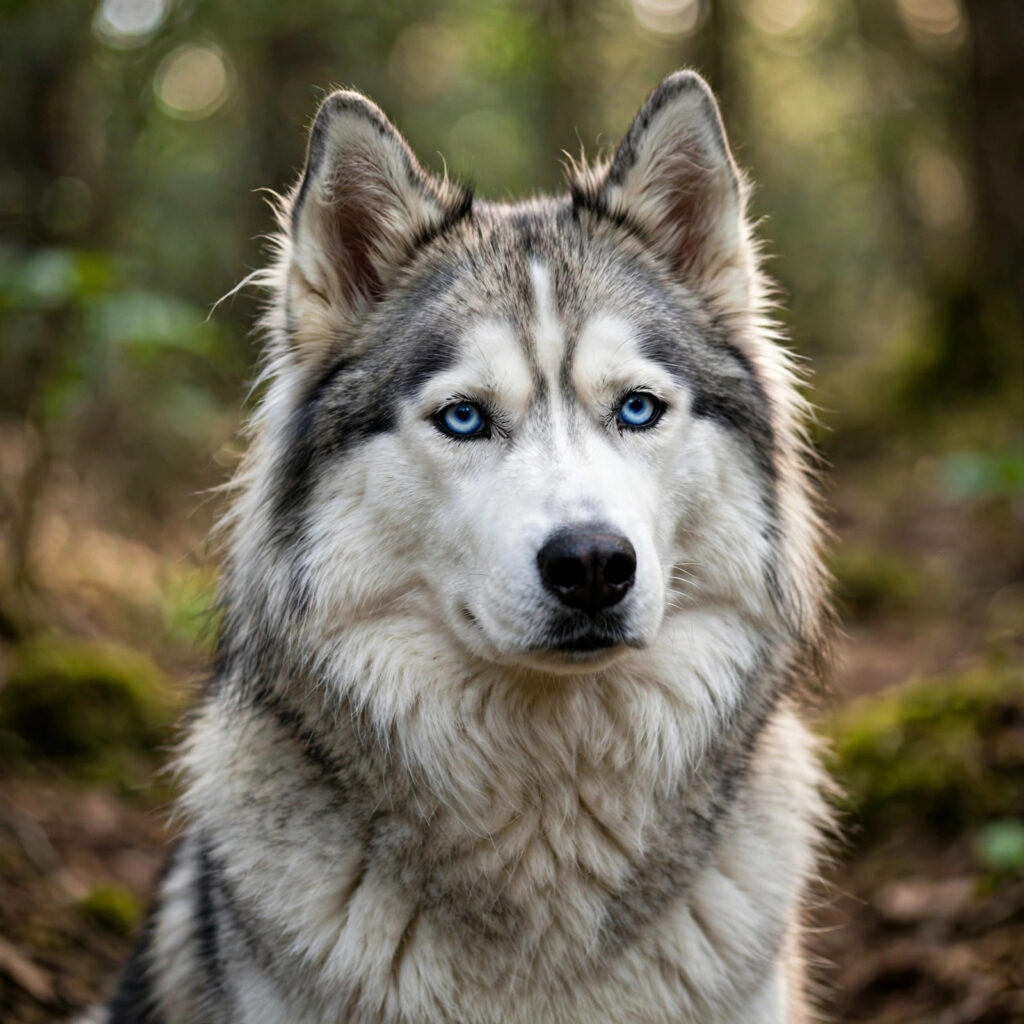
Northern breeds take this further. Huskies, Malamutes, and Samoyeds often wrap their thick, bushy tails right over their noses, like a built-in scarf that warms the air they breathe. It is a habit from ancestors who slept outside in snow. If your dog curls up more in winter, warmth is very likely the reason. You may also notice it seeking blankets, sunny spots, or a warm corner of the house.
2. To Protect Their Belly and Organs
Long before dogs lived in our homes, their wild ancestors slept outside and had to stay alert. The belly is one of the most vulnerable parts of a dog’s body: thin skin, little fur, and no bones protecting the organs underneath.
Curling into a ball tucks the belly away. The legs, tail, and back form a shield around it. It is a survival instinct — a curled-up dog is harder for a predator to hurt, and it can jump up and run more quickly than a dog lying flat on its back. Your dog has no predators in your living room, but the instinct remains. Even the most pampered house dog may curl up at night because, deep down, that shape just feels safer.
3. To Feel Safe and Secure
Curling up feels like being in a small, enclosed den. The shape is close and cozy, and many dogs find it calming. It is the same reason many dogs love sleeping in crates, under tables, or pressed against the side of the couch.
Dogs curl up more tightly when they feel unsure or nervous — in a new home, a hotel, or a friend’s house, for example. Rescue dogs and strays often sleep curled up because it is how they slept when they had to look after themselves. Puppies curl up a lot, too: they slept piled up with their littermates for warmth and safety, so the shape feels familiar, and many keep the habit as adults.
A dog sleeping on its back with its belly exposed shows complete trust. A curled-up dog is not necessarily scared — it may just prefer the cozy feeling. But if your dog only ever curls up and never stretches out, think about whether something at home is making it uneasy, such as loud noises or a recent change.
4. For Comfort and Joint Support
For some dogs, curling up is simply the most comfortable way to sleep. Tucking the legs in can take pressure off the joints, and the rounded shape supports the spine in a natural curve. Older dogs may curl up because stretching out fully feels stiff or uncomfortable.
Dogs with arthritis or sore joints sometimes prefer a curled position because it lets them rest without putting weight on a painful leg or hip. That does not mean every dog that curls up has joint pain — most do not. But if an older dog has started curling up much more than it used to, and seems stiff or slow when it gets up, pay attention.
A good bed can help a lot. A soft, supportive bed with raised edges gives a curled-up dog something to lean against. If you are unsure what suits your dog, our guide on how to choose the right dog bed for your dog covers size, material, and comfort.
5. It Is Simply a Habit
For many dogs, curling up is just what they do. They have done it since they were puppies, they find it comfortable, and they see no reason to change. Some dogs curl up every single night of their lives and are perfectly healthy and happy.
Breed and personality play a part. Smaller dogs tend to curl up more, partly because it is easier for them to fit into a tight ball, and naturally cautious or shy dogs may prefer the enclosed feeling. If your dog has always slept this way, eats well, plays normally, and seems happy and relaxed, the curled-up position is almost certainly just a preference. There is nothing to fix.
6. The Nesting Instinct Before Sleep
Many dogs do not just flop down and curl up. They circle a few times, paw at the bed or blanket, and maybe dig a little before they settle. This is the nesting instinct, and it goes hand in hand with curling up.
In the wild, dogs circled and pawed at the ground to flatten grass, check for insects, and make a comfortable hollow to sleep in. Your dog is doing a modern version of the same thing: turning a flat bed or a pile of blankets into a nest, then curling up inside it. Circling before lying down is usually nothing to worry about — we explain it in detail in our article on why dogs circle before lying down.
7. Cold Weather, New Places, and Tired Days
Context matters. The same dog may curl up for different reasons on different days. After a long walk on a cold day, it is about warming back up. In a new place, it is about feeling safe. After a busy, tiring day, it is about rest and comfort.
Watch for patterns rather than single moments. A dog that curls up on cold nights but stretches out on warm evenings is almost certainly reacting to temperature. A dog that curls up tightly every time visitors come over may be feeling nervous. Many owners notice their dogs curl up far more in autumn and winter, then sprawl out on the cool tile floor all summer — that seasonal switch is one of the clearest signs warmth is the main reason.
What the Donut Means Compared to Other Sleeping Positions
A dog on its side with legs stretched out is relaxed and comfortable — one of the most common deep-sleep positions. A dog on its back, belly up, feels completely safe and trusting; dogs only do this when they feel very secure. You can read more in our guide on why dogs sleep on their back. A dog lying on its belly with paws forward is resting but ready to get up quickly, often just a light nap. And a dog pressed against you or another pet is seeking warmth, closeness, and comfort.
No single position is “right” or “wrong.” Healthy dogs use several positions, and the mix changes with the weather, the time of day, and their mood. What matters most is whether your dog sleeps well overall and wakes up rested and happy.
How to Help Your Dog Sleep More Comfortably
You do not need to stop your dog from curling up — in most cases, you should not try. But you can make its sleeping spot warmer, softer, and more secure.
Move the bed away from cold drafts, doors, and windows in winter, and offer a light blanket your dog can burrow under. Pick the right bed: a donut-shaped bed or one with raised sides suits dogs that love to curl up, while an orthopedic bed helps older dogs and dogs with stiff joints. Keep the bed clean and dry, and wash the cover regularly.
Give your dog a quiet corner away from busy walkways, where it will not be stepped over or startled. Stick to a routine of regular meals, walks, and bedtime — a dog that knows what to expect usually sleeps more soundly. And let your dog choose: some nights it will want the bed, other nights the cool floor. As long as the spot is safe and comfortable, let it pick.
What NOT to Do
Do not force your dog to stretch out. Never pull your dog’s legs straight or uncurl it while it sleeps — it can startle your dog, hurt a stiff joint, and break its trust. Sleeping positions are your dog’s choice. Do not wake a sleeping dog suddenly, either; dogs can be startled from deep sleep, especially older dogs or dogs that are hard of hearing. If you need to wake your dog, call its name softly first.
Do not ignore a sudden change. If your dog has always stretched out and suddenly starts curling up tightly every night, look for other changes too — eating less, moving slowly, or hiding away. Do not pile on heavy blankets: a light blanket your dog can move away from is fine, but a heavy one can trap heat and make your dog too warm. Do not use a bed that is too small — your dog may curl up simply because there is no room to do anything else. And do not punish circling or digging at the bed. It is normal nesting behavior, so give your dog a bed or blanket it is allowed to paw at.
When to See a Vet
Curling up is normal for most dogs, but a sudden change in sleeping habits can be a sign that something is wrong. Contact your vet if you notice any of the following:
- A sudden change in sleeping position — your dog always slept stretched out and now curls up tightly all the time, with no clear reason like cold weather.
- Trouble getting comfortable — your dog keeps changing positions, circles for a long time without settling, or gets up and lies down again and again.
- Signs of pain — whimpering, groaning, or yelping when lying down or getting up; stiffness, limping, or reluctance to jump, climb stairs, or go for walks.
- Shivering or feeling cold all the time, even in a warm room.
- Less energy or appetite — sleeping much more than usual, eating less, or losing interest in play.
- Breathing changes — heavy panting, fast breathing, or coughing while resting or sleeping.
- Hiding or withdrawing — curling up in a corner away from the family, which may mean your dog feels unwell or anxious.
One unusual night is no reason to panic. But if a change lasts more than a day or two, or comes with any of the signs above, a vet visit is the safest step. Your vet can check for pain, arthritis, illness, or other possible causes. If your dog sighs or groans a lot when lying down, our article on why dogs sigh and groan when lying down may help you understand what to watch for — but it is not a replacement for a vet’s advice.
Never try to diagnose your dog yourself, and never give your dog pain medicine meant for humans. Some human medicines are dangerous for dogs. Your vet is the right person to decide what, if anything, your dog needs.
FAQ
Is it normal for my dog to sleep curled up in a ball every night?
Yes, for most dogs it is completely normal. Many dogs curl up every night for warmth, comfort, and habit, and do it their whole lives. It only becomes a concern if the habit changes suddenly, or if it comes with other signs like pain, stiffness, or loss of appetite.
Why does my dog curl up in a ball when it is not cold?
Warmth is only one reason. Dogs also curl up because it feels safe and cozy, because it protects their belly, because it eases pressure on their joints, or simply because it is their favorite way to sleep. Some dogs curl up all year round, even in summer.
Do dogs curl up in a ball when they are in pain?
Sometimes, yes. A dog in pain may curl up tightly and stay there, or keep shifting because it cannot get comfortable. But curling up alone does not mean your dog is in pain — most dogs that curl up are healthy. Look for other signs, such as limping or whimpering, and see your vet if you are worried.
Why does my dog circle before curling up to sleep?
Circling is a nesting instinct from your dog’s wild ancestors, who circled and pawed at the ground to make a safe, comfortable hollow to sleep in. Your dog is doing the same thing with its bed or blanket. It is normal, unless the circling becomes constant or your dog cannot settle at all.
Should I get my dog a donut bed?
A donut bed with raised edges can be a great choice for a dog that loves to curl up, giving it something soft to lean against. But the best bed depends on your dog’s size, age, and joints — older dogs or dogs with arthritis may do better with a flat orthopedic bed. Watch how your dog sleeps and choose a bed that fits its favorite position.
Conclusion
So, why does your dog sleep curled up in a ball? Most of the time, for simple, good reasons: to stay warm, to feel safe, to protect its belly, to rest its joints, or just because it likes it that way. It is one of the oldest habits dogs have, passed down from wild ancestors who slept under the stars — and one of the cutest.
Enjoy the sight. Give your dog a warm, soft, quiet place to sleep, and let it choose its favorite position. And keep an eye on changes. You know your dog better than anyone, so if the curled-up sleeping suddenly looks different — tighter, restless, or paired with signs of pain or illness — trust your instinct and talk to your vet. A dog curled up in a ball, sleeping soundly in a safe home, is a happy picture.