
There is something special about a winter walk with your dog. The air is crisp, the world is quieter, and your dog’s breath puffs out in little clouds as they trot along. But cold weather brings real challenges for your four-legged friend — chilly winds, icy sidewalks, road salt, and shorter days. The good news is that with a little preparation, winter walks can be safe, fun, and enjoyable for both of you.
This guide walks you through everything you need to know to prepare your dog for winter: choosing the right gear, adjusting your walking routine, caring for paws and coat, staying visible in the dark, and recognizing when the cold is getting to be too much. A little planning now means more happy tails all season long.
Know Your Dog’s Cold Tolerance
Not every dog handles cold the same way. Before you change anything about your routine, think about what kind of dog you have.
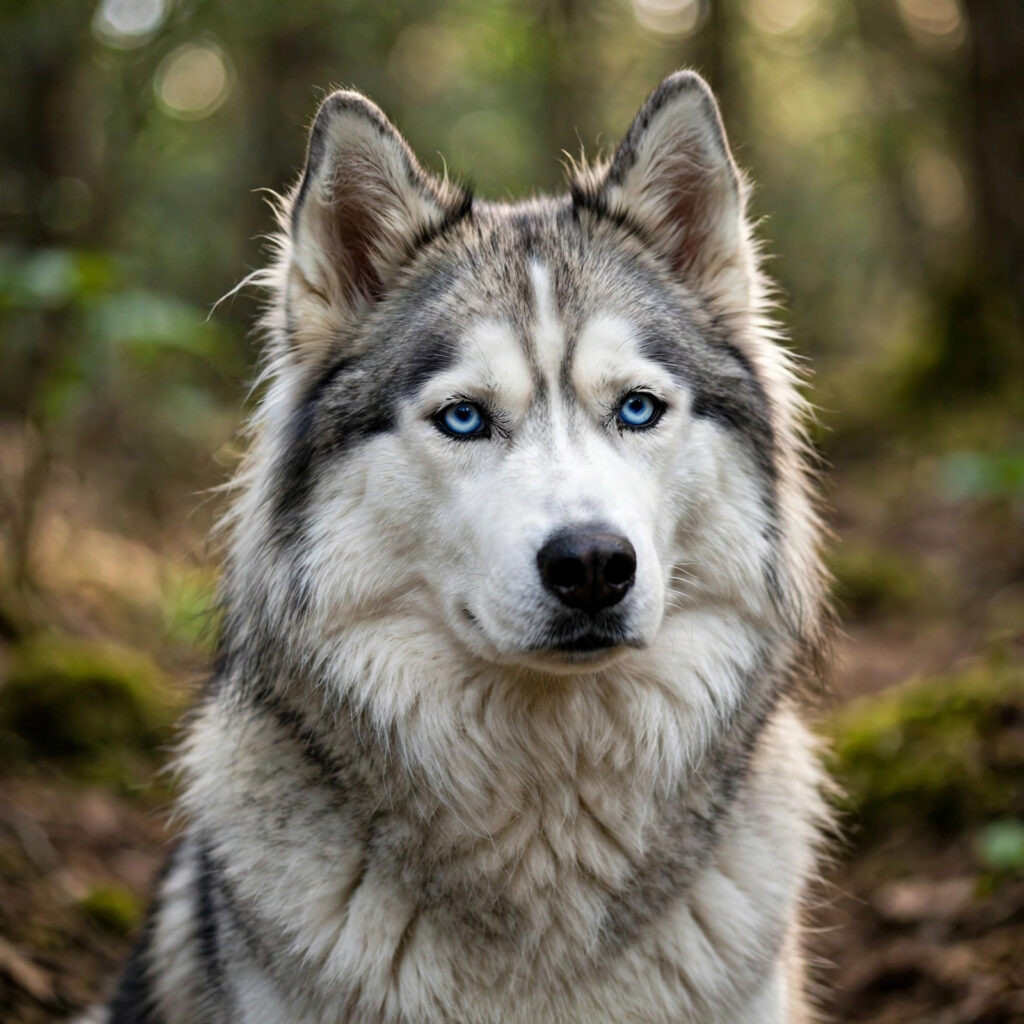
Large, thick-coated breeds like Huskies, Malamutes, and Bernese Mountain Dogs were built for cold weather and often love it. But small dogs, short-coated breeds like Greyhounds and Chihuahuas, puppies, senior dogs, and dogs with health conditions lose body heat much faster and need extra protection.
As a general rule, most dogs start feeling uncomfortable when temperatures drop below freezing (32°F / 0°C). Small and short-haired dogs may struggle even in the 40s. Wind chill makes things worse, so always check the “feels like” temperature.
If your dog shivers, lifts their paws, whines, tries to turn back toward home, or suddenly becomes sluggish, these can be signs they are getting too cold.
Dress Your Dog for the Weather
Dog coats and sweaters are not just fashion statements. For many dogs, they make the difference between an enjoyable walk and a miserable one.
Choose a coat that covers your dog’s chest and belly, fits snugly without rubbing, and stays in place when they move. Water-resistant or waterproof outer layers work best for wet snow and rain. For very cold days, a fleece-lined coat adds welcome warmth.
If you are new to dressing your dog, introduce the coat slowly. Let your dog sniff it first, slip it on for a few minutes indoors, and reward them with treats and praise. Most dogs adjust within a few sessions, especially once they connect the coat with the walk they love.
Dogs with thin fur, short legs, puppies, and older dogs benefit most from a coat.
Protect Those Paws from Salt and Ice
Your dog’s paws take a beating in winter. Road salt and de-icing chemicals can irritate, burn, or crack paw pads, and your dog may lick the residue off — which can upset their stomach. Ice balls can also form between the toes of long-haired dogs, making every step painful.
Booties are the best defense. Look for a set with non-slip soles and adjustable straps that actually stay on. Practice indoors first — most dogs do a funny high-stepping dance the first time, but they usually adapt quickly. Trim the fur between your dog’s toes to reduce ice buildup, and check paws after every walk for cracks, cuts, or packed snow.
If your dog refuses booties, paw balm or wax applied before each walk creates a protective barrier against salt and ice. It is not as effective as booties, but it is far better than nothing. After every walk, rinse or wipe your dog’s paws with a warm, damp cloth to remove salt and chemical residue before they can lick it.
For a deeper look at this topic, read our guide on how to keep your dog’s paws safe from road salt and ice in winter. If your dog’s paws ever seem itchy or irritated after a walk, our article on home remedies for itchy dog paws covers safe ways to soothe them.
Adjust Your Walking Routine for Winter
In winter, quality matters more than quantity. Shorter, more frequent walks are usually better than one long trek through freezing weather.
Try trimming your usual route when it is bitterly cold, and consider splitting one long walk into two shorter ones. Walk during the warmer parts of the day — late morning and early afternoon tend to be mildest. Morning walks are fine too if your dog is bundled up, but avoid the coldest early-morning and late-evening hours when possible.
Keep your dog moving. Standing still in the cold lets body heat escape quickly, so keep a steady pace rather than stopping for long chats. Avoid frozen ponds, lakes, and rivers entirely — thin ice is dangerous for dogs and the humans who might try to rescue them.
On a related note, winter walks go much more smoothly when your dog walks calmly beside you. If your dog tends to drag you down the sidewalk, check out our step-by-step guide on how to leash train an adult dog that pulls on walks — good leash manners matter even more when the ground is slippery.
Stay Visible in the Dark
Winter means short days, and many of us walk our dogs before sunrise or after sunset. Visibility keeps both of you safe.
Clip a small LED light to your dog’s collar or harness — they are cheap, lightweight, and make your dog easy to spot. Reflective collars, leashes, and coats add another layer of visibility. If your dog wears a winter coat, look for one with reflective strips built in.
Wear reflective gear or carry a light yourself, especially near roads — drivers have a harder time seeing pedestrians in winter darkness, rain, and snow glare.
The Post-Walk Routine: Dry Off and Warm Up
What you do after a winter walk matters as much as the walk itself. Have a routine ready by the door.
Start with the paws — rinse or wipe them to remove salt, sand, and chemicals. Then towel-dry your dog’s legs, belly, and anywhere snow has packed into their fur. Pay special attention to the ears and the fur between the toes. If your dog got truly wet, a few minutes with a hair dryer on a low, warm setting (never hot) finishes the job.
Check for snowballs clinging to fur, especially on long-haired breeds — gently break them apart or melt them with warm water rather than pulling. Make sure your dog has a warm, draft-free spot to rest afterward, with fresh water available. Dogs can get dehydrated in winter too, especially after an active walk in dry cold air.
This is also a great time of year to pay attention to coat condition. Regular brushing keeps the coat insulating well, and our beginner-friendly dog grooming at home guide has simple tips that make a real difference in winter coat health.
Keep Winter Nutrition and Hydration in Mind
Dogs that spend a lot of time being active outdoors in winter may burn more calories staying warm. Very active cold-weather dogs might need slightly larger portions — check with your vet before making changes, since many house dogs are less active in winter and actually need fewer calories.
Fresh water is just as important in winter. Outdoor bowls freeze, and indoor heating dries the air. Snow is not a substitute — eating snow can lower your dog’s body temperature and may contain road salt or chemicals.
Never leave your dog in a cold car. A car cools down to outdoor temperature frighteningly fast in winter, and leaving a dog alone in a freezing vehicle is just as dangerous as leaving them in a hot one in summer.
Watch for Signs of Cold Stress and Hypothermia
Knowing the warning signs helps you act fast. Early signs that your dog is too cold include shivering, whining or barking, tucking the tail, lifting paws, seeking shelter, and reluctance to keep walking.
More serious signs — which need quick action — include intense or prolonged shivering followed by the shivering stopping (a worrying sign), weakness, confusion, pale or gray gums, a slow heartbeat, or trouble breathing. Frostbite can affect ear tips, tail tips, and paws; watch for skin that looks pale, gray, or hard and cold to the touch.
If you suspect your dog is getting dangerously cold, get them indoors immediately. Warm them gradually with blankets and your own body heat. Never use heating pads, hot water, or hair dryers on high heat — these can burn skin, especially skin affected by frostbite. Call your vet for guidance on next steps.
What NOT to Do
Winter brings a few common mistakes that are easy to avoid once you know about them:
- Do not shave your dog’s coat down in winter. The coat is natural insulation. You can keep it trimmed and tidy, but keep the length through the cold months.
- Do not leave your dog outside for long periods unsupervised. Even cold-tolerant breeds need shelter, water, and monitoring.
- Do not let your dog drink from puddles or eat snow off the ground. Antifreeze, road salt, and other chemicals collect in winter puddles and can be toxic.
- Do not assume a fur coat means no protection is needed. Small, short-haired, young, and senior dogs all need extra help, and even big dogs need paw protection on salted streets.
- Do not skip the post-walk wipe-down. Salt residue left on paws leads to cracking, irritation, and stomach upset when licked.
- Do not walk on frozen bodies of water. If the ice will not hold you, it will not hold your dog — and a dog in icy water is an emergency for everyone.
- Do not use rock salt or chemical de-icers on your own walkway. Choose pet-safe ice melt products and keep your own property dog-friendly.
When to See a Vet
Most winter walking issues are preventable with good preparation, but some situations call for professional help. Contact your vet if you notice:
- Paw pads that are cracked, bleeding, or swollen after winter walks
- Limping or reluctance to walk that does not resolve after warming up
- Signs of frostbite — pale, gray, or discolored skin on ears, tail, or paws
- Any suspected ingestion of antifreeze, road salt, or de-icing chemicals (this is urgent — antifreeze poisoning can be fatal and needs immediate treatment)
- Persistent shivering, lethargy, or weakness after being out in the cold
- Dry, flaky, or irritated skin that worsens through winter despite moisturizing care
When in doubt, call. Vets would always rather hear about a concern early than treat a problem that has gotten worse. Keep your vet’s number — and an emergency clinic number — saved in your phone before winter sets in.
FAQ
How cold is too cold for a dog walk?
It depends on the dog, but a widely used guideline is: above 45°F (7°C) is comfortable for most dogs; 32–45°F (0–7°C) calls for caution with small, short-haired, young, and senior dogs; below 32°F (0°C) means coats and paw protection for vulnerable dogs and shorter walks for everyone; below 20°F (-7°C) is potentially dangerous for small dogs and risky for most others. Always factor in wind chill, wet conditions, and your individual dog’s response.
Do all dogs need coats and booties in winter?
No — but many do. Dogs that benefit most from coats include small breeds, short-haired breeds, puppies, seniors, and dogs with health conditions. Booties help any dog that walks on salted or icy surfaces. Thick-coated northern breeds often do fine without either, but paw protection on salted sidewalks is wise for every dog.
How do I get my dog used to wearing booties?
Introduce them indoors first. Put one bootie on, reward with a treat, and let your dog walk around the house. Add more booties gradually over several short sessions, always pairing them with treats and praise. Then try a short outdoor walk. Most dogs accept booties within a week of patient practice.
Should I change my dog’s food in winter?
Possibly, but check with your vet first. Very active outdoor dogs may need more calories in cold weather, while less active indoor dogs may need fewer. Avoid guessing — your vet can advise based on your dog’s weight, activity level, and health.
Can dogs get sick from cold weather alone?
Cold air itself rarely makes a healthy dog sick, but winter conditions create risks: hypothermia and frostbite from prolonged exposure, cracked and infected paws from salt, stomach upset from licking de-icing chemicals, and antifreeze poisoning, which is a true emergency. Good gear, shorter walks, and the post-walk wipe-down prevent nearly all of these.
Conclusion
Winter does not have to mean the end of great walks with your dog. With the right coat, protected paws, a sensible route, good visibility, and a warm post-walk routine, you and your dog can enjoy the season together safely. Pay attention to how your dog responds, adjust as the temperature drops, and do not hesitate to cut a walk short when the cold wins.
The quiet beauty of a winter walk — the crunch of snow, the frosty air, your happy dog trotting beside you — is worth a little preparation. Bundle up, head out, and make some warm memories in the cold.